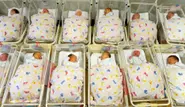
Germany sees biggest baby batch in a decade
The Federal Statistics Office reported on Friday that more than 700,000 new babies were born in Germany last year - the highest number in a decade that saw the country's birth rate drop to one of the lowest worldwide.
Germany ready to inseminate you, minister says
German Family Minister Kristina Schröder has proposed a plan to help finance artificial insemination treatments for childless couples in a bid to encourage more people to use the method.
Births surge to highest rate since 1990
The birthrate in Germany climbed last year to its highest in more than two decades, but the number of children being born in the country per woman remains one of the lowest in Europe.
Schröder demands help for infertile couples
Family Minister Kristina Schröder said on Monday she would try to make life easier for German couples who cannot have children naturally, with stronger financial backing for IVF treatment and easier adoptions.
Birth rate on the rise
Germany’s birth rate is rising faster than it has in a decade, with 18,000 more babies born between January and September than the same period last year, government figures show.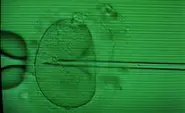
Green light given to gene testing IVF embryos
Doctors have been given the green light to gene test IVF embryos for hereditary illnesses after a landmark court decision clearing a Berlin fertility specialist over his use of the controversial technique.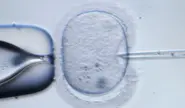
Court to examine science of 'designer babies'
The murky legal territory of “designer babies” will go under the microscope Tuesday when a Leipzig court examines a fertility doctor’s gene testing of embryos from couples with hereditary risk of illness.