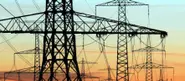
Private households in Germany will see their electricity prices soar to pay for the switch to renewable energy, while wholesale prices for big consumers would be unchanged, power group Vattenfall said on Tuesday.
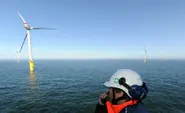
Germany's plans for vast offshore wind parks as part of wider drive to develop renewable sources of energy could turn out to be little more than hot air if viable financing cannot be found, a new study warned Monday.
A lobbyist has accused German electricity company EnBW of systematically spending €200 million on sham contracts – distributing the money to churches, chess schools and other “politically useful causes” in Russia.
Hundreds of thousands of Germans are likely going without power simply because they can’t afford the bills, according to a North Rhine-Westphalian consumer organisation studying the problem.
Germany’s electricity grid came to the brink of blackout last week – not because of the cold, but because traders illegally manipulated the system. They tapped emergency supplies, saving money but putting the system at risk of collapse.
Dozens of German energy-guzzling companies have applied for special exemption from grid charges, meaning that private consumers will end up paying more for their electricity.
Germans could save billions on their electricity bills if they would simply change power providers, according to a special report published by the Monopolies Commission.
Germany is considering buying electricity from Austria, fearing it will run low on power this winter due to plans to shut down eight nuclear plants, an Austrian daily reported on Friday.
German electricity will be largely nuclear-free from this weekend, when a power plant is taken off-line for maintenance leaving just four of the country's 17 nuclear generators operating.
An internal paper from the Environment Ministry warns of electricity shortages in May as the government continues to scale back its use of nuclear power plants, a media report said Thursday.
Contrary to previous reports that Germany needs electricity from abroad after suspending operations at eight ageing nuclear reactors, the Federal Environment Agency (UBA) said Wednesday that the country can power itself.
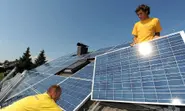
The solar industry has struck a deal with the German government to have the solar power subsidy slashed by up to 15 percent this year as demand for photovoltaic panels booms.
Electricity customers will be forced to pay up to €2 billion too much for their power next year, a study commissioned by the environmentalist Greens party has found.
Most German households will have to pay more for their electricity in the coming year, with 344 of the around 900 providers already having announced a price rise from the start of January, according to the <i>Berliner Zeitung</i> newspaper.
The development of Germany’s renewable energy sources will mean record green electricity surcharges for consumers in 2011, increasing power bills by up to €112 per year, according to industry experts.
German consumers will overpay utility companies €1 billion for their electricity this year, according to a study commissioned by the Green party’s parliamentary group.
Nearly half of Germans support the idea of allowing nuclear power stations to operate longer than planned in order to provide electricity, according to a new survey.
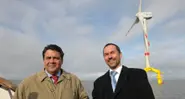
Germany opened its first offshore wind farm this week - a move Environment Minister Sigmar Gabriel called a key step toward more reliance on renewable energy in Europe's biggest economy.
It's a good thing Germans don't tend to use air conditioners, because in addition to the rising cost of petrol, natural gas and food, residents can also expect an increase in electricity costs in the coming year.