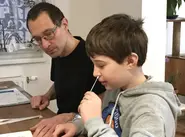
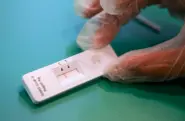
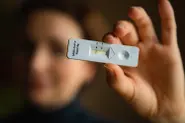
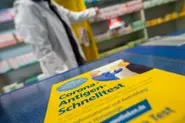
Germany may be battling a third wave of the pandemic but life feels almost normal in the city of Tübingen, where anyone with a negative Covid test can enjoy a day of shopping, culture or outdoor dining.
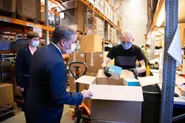
The city of Berlin has introduced a new rule which makes twice weekly testing for a coronavirus infection mandatory for anyone who has contact with customers as part of their work.
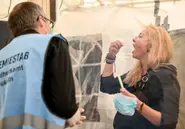
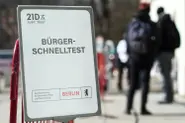
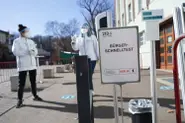
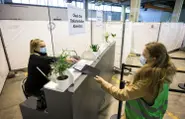
Residents in Germany are allowed to get one free rapid coronavirus test per week. The process differs across states - here's how you can do it in Berlin.
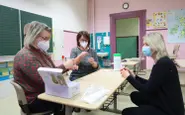
In the southern state of Bavaria, schools have been promised 100 million self-tests starting next week so that more children can start being taught in person again. But teachers say the test strategy isn't being implemented properly.
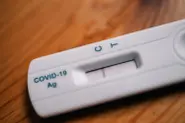
Starting this week, the German government is offering free rapid testing for everyone, while supermarkets have also started selling home test kits. What is the difference between these tests and what are they both good for?
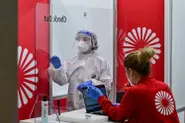
After free rapid testing was rolled out across Germany on Monday in a delayed and restricted form, the deputy head of the National Doctors’ Association (KBV) accused the government of mishandling the project.
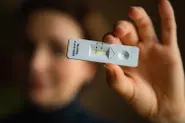
Covid-19 tests that can be carried out at home have been flying off the shelves of German supermarkets - and there are even reports of people selling them on eBay. Where can people buy them and when will they be available again?
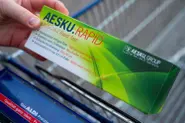
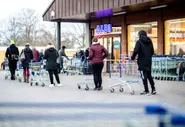
The supermarket chain Aldi started selling home corona tests on Saturday morning, but within hours, many stores reported that their stocks had run dry.
Starting with discounter Aldi on Saturday, supermarkets, drugstores and pharmacies will soon begin selling rapid Covid-19 tests to take at home. Here's what you need to know.
On Wednesday, the Federal Institute for Drugs and Medical Devices (BfArM) issued the first three special approvals for coronavirus rapid tests that anyone can use at home.
Health Minister Jens Spahn promised free rapid tests for all from March 1st. But the plan is set to be put on hold due to a lack of clarity over how it will work.
Germany is changing its Covid-19 testing strategy again, with a focus on increased rapid antigen tests and more availability of PCR tests. Here's what we know so far.
Long queues of cars formed at the Czech-German frontier on Monday and cross-border workers voiced
frustration as tighter restrictions for travel into Germany came into force.
As Germany gears up to inoculate its population
against the coronavirus, ethics experts have been given a prominent say over
who goes first in a country still scarred by memories of the Nazi or communist
dictatorships deciding who gets to live or die.
A potential vaccination for coronavirus has taken a huge leap after Mainz-based BioNTech and its American partner Pfizer published results of their first large-scale trials.
Germany recorded 11,287 new Covid-19 infections in 24 hours, a sharp jump from the previous day and a record for the country since the outbreak of the pandemic, according to official data Thursday.