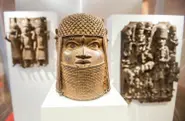
Germany handed back more than 20 looted artefacts to Nigeria on Tuesday, saying it was to "right a wrong" more than 100 years after British colonial troops stole them.
Germany for the first time on Friday recognised it had committed genocide in Namibia during its colonial occupation, with Berlin promising financial support worth more than one
billion euros to aid projects in the African nation.
At time when Black Lives Matter protests have spread around the world, not least to Germany, there is a growing debate about how Germany should deal with its colonial legacy.
A German museum was set to announce Friday
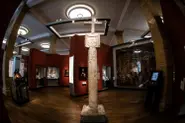
that it would restitute to Namibia a key 15th-century navigation landmark
erected by Portuguese explorers, as part of Berlin's efforts to face up to its colonial past.
A German museum handed over the remains of an Aboriginal ancestral king to Australia Tuesday in the first of three such ceremonies across Germany this month in what Canberra called a record return.
The return of art and treasures taken from African countries during their colonisation by European powers is a recurring and controversial debate, including in Germany. Should countries give the art back?
A US judge on Tuesday heard arguments from lawyers representing the German government and indigenous groups from Namibia but deferred a decision on whether to hear a lawsuit demanding reparations for colonial genocide.
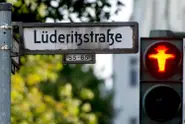
Berlin is poised to strip the names of streets linked to atrocities committed during its occupation of Namibia and dedicate them to liberation fighters, part of a late reckoning with Germany's brutal colonial history.
The German government said Friday it had asked a US court to throw out a lawsuit brought by indigenous groups from Namibia seeking reparations for the genocide of their peoples under German colonial rule.
Germany launched a two-year study on Thursday to determine the origins of more than 1,000 human skulls, mostly from Rwanda, brought to Europe during the colonial era for racial "scientific" research.
On a thin strip of land at the bay of Lüderitz in southern Namibia are dozens of gravestones bearing the names of each German soldier killed during a largely forgotten colonial war.
Germany has proposed a German-Namibian future foundation and structural fund as part of its atonement for the injustices of the German colonization of southwest Africa.
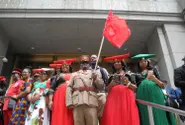
A carnival association has dropped any characters who "black up" from their parade amid accusations of racism. Worried the troop might be attacked, police will escort them during the parade.
More than 1,000 skulls and bones belonging to east Africans and brought to Germany for racial "scientific" research during the colonial era are still in storage in Berlin, a media report said Tuesday.
Germany plans to formally apologise to Windhoek for the genocide of indigenous Namibians a century ago, a foreign ministry spokeswoman said Wednesday, but added the move would not carry any obligation of reparations.
The speaker of the German parliament on Wednesday said the slaughter of indigenous Namibians a century ago constituted a "genocide" that stemmed from a "race war".
This weekend a colonial German church celebrates its 100th anniversary in Namibia. The Lutheran church was finished in 1910 after a tumultuous period of construction that mirrored the upheaval of Imperial Germany's African conquest.