

Friday's top story: Germany and Netherlands to set up NATO command centre in Baltics
Germany and the Netherlands will set up a joint tactical headquarters in the Baltics this year to command forces on NATO's eastern flank and help deter Russia, Berlin said Thursday.
The joint German-Dutch command centre known as 1GNC will "assume a command role on NATO's eastern flank, specifically in the region Estonia and Latvia" over the coming months, the German defence ministry said in a statement.
"The deployment of an additional tactical headquarters to the region strengthens the cohesion of NATO and supports the deterrence of Russia," it said.
READ ALSO: In pictures - NATO troops storm Germany's Baltic coast in training exercise
1GNC is a command centre that can control up to 50,000 troops if needed.
Its tasks include planning and running military exercises, planning for possible conflict and leading forces if a war breaks out.
The new command headquarters is intended to give NATO more capacity and the ability to respond more quickly.
CDU Deutschlandticket proposal sparks row over welfare freedom
A proposal by the CDU to replace part of Germany’s basic income payments with public transport tickets has triggered sharp criticism from the SPD and welfare groups.
Politicians in North Rhine-Westphalia have suggested that the mobility allowance within basic income should in future be provided as a Deutchlandticket rather than cash. The move is aimed at encouraging public transport use and reducing fare evasion.
But critics argue the plan would undermine recipients’ freedom of choice. SPD deputy parliamentary leader Dagmar Schmidt warned that the standard benefit is designed to give people control over how they spend their money, including on transport.
READ ALSO: German Bundestag approves tough Bürgergeld reform
She noted that not all recipients rely on public transport, with some choosing to cycle, walk or cover other travel costs.
Welfare organisations say the idea risks patronising recipients and deepening social divisions, while doing little to address the broader goal of helping people back into work.
They also argue that a nationwide transport pass offers little benefit in rural areas with poor public transport, where funds may be needed for fuel or shared travel.
Germany enter World Cup Group E with score to settle
Four-time champions Germany head to North America seeking to break their more recent World Cup hoodoo after failing to make it out of the group stage at the last two editions.
Since Mario Goetze's extra-time winner at the Maracana in the 2014 final, perennial World Cup contenders Germany have had a miserable time of it on football's biggest stage.
Their title defence in Russia in 2018 ended with a bottom-place finish in their group, before their campaign in Qatar four years later hit the rocks at the same stage.
Germany have won just two World Cup games since lifting the trophy in Rio de Janeiro, against Sweden and then Costa Rica.
READ ALSO: German cities opt-out of football fan zones for 2026 World Cup
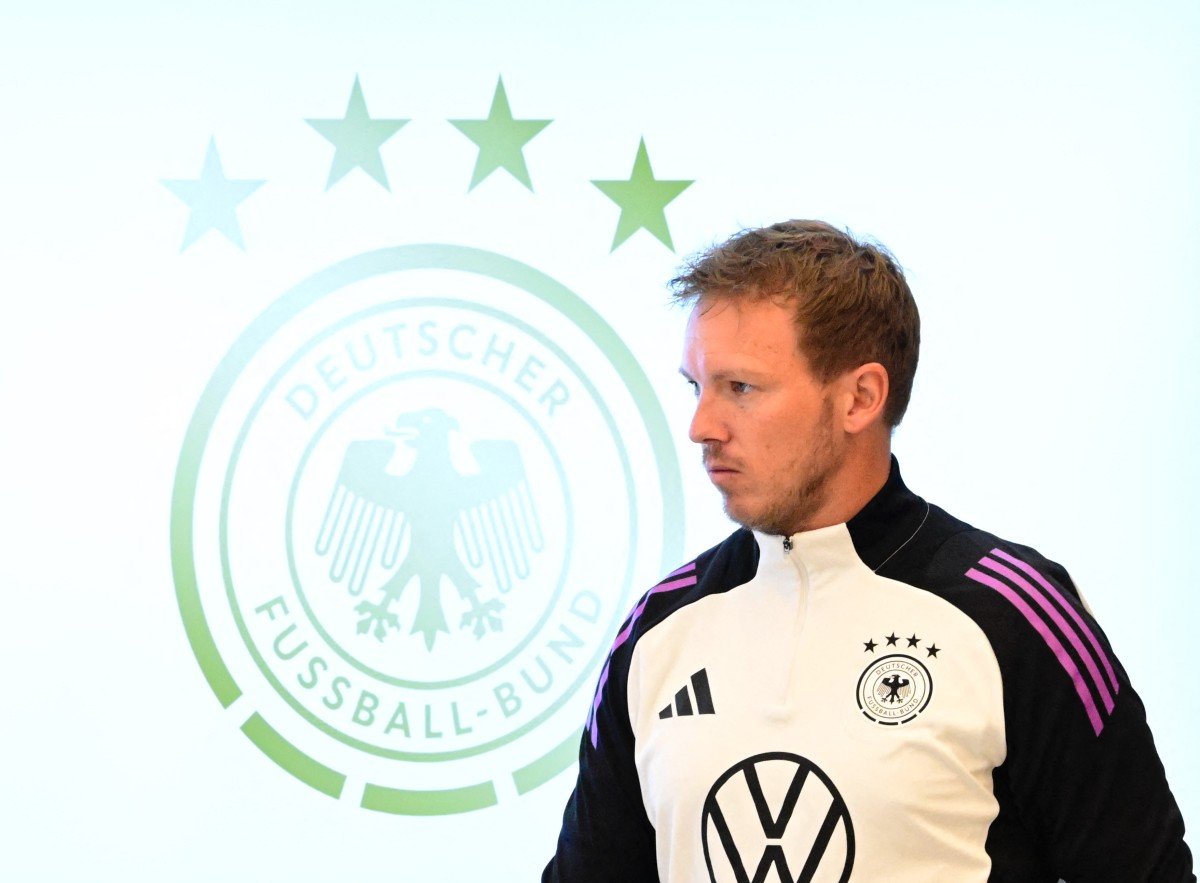
Standing between Julian Nagelsmann's charges and a return to the knockout stages at the 2026 edition in Group E are 2023 Africa Cup of Nations champions Ivory Coast, Ecuador and World Cup debutants Curacao.
Since 38-year-old Nagelsmann took over Germany two years ago, he has overseen an upturn in their fortunes, spearheaded by extravagant youthful talents such as Florian Wirtz and Jamal Musiala, as well as experienced stalwarts like Joshua Kimmich and Antonio Rudiger.
They reached the quarter-finals of Euro 2024 on home soil and then made it to the last four in the UEFA Nations League the following year, falling on both occasions to the eventual winners of the respective tournaments, Spain and Portugal.
Right-wing subway advertising campaign sparks backlash
A controversial advertising campaign by right-wing populist outlet Nius in Berlin’s underground has triggered criticism.
Posters in trains and stations which promote the site with provocative slogans have prompted an online petition – garnering thousands of signatures – calling for their removal and accusing the outlet of spreading “false and inflammatory” content.
Berlin’s public transport operator, BVG, distanced itself from the campaign, stating it merely provides advertising space and does not endorse the content.
Advertising partner Wall GmbH confirmed the posters had been reviewed and found to comply with legal standards, citing commitments to press freedom in approving the campaign.
The marketing push comes as the right-wing outlet faces dwindling audience numbers, with recent data indicating a sharp year-on-year drop in visits. Despite reportedly significant investor funding, the company remains loss-making.
READ ALSO: How Germany’s politicians are trying to 'AfD-proof' the country
German court rules conscript-age Russians not automatically entitled to protection
Germany’s Higher Administrative Court of Berlin-Brandenburg has ruled that Russian men of conscription age are not automatically eligible for subsidiary protection, overturning a previous lower court decision.
The judges found that the mere prospect of compulsory military service does not justify protection under German asylum law.
The case centred on a Russian national born in 2004, who had been granted protection by a Berlin court on the grounds that he might be pressured into joining the war in Ukraine in breach of international law.
But the higher court rejected this argument, stating there was insufficient evidence he would be forced into contract military service.
In its reasoning, the court emphasised that standard one-year conscription does not in itself constitute inhuman or degrading treatment, nor does it imply deployment to Ukraine.
The ruling highlights inconsistencies in Germany’s legal approach, though it aligns with similar decisions by other higher courts. While no appeal was permitted, a complaint may still be lodged with the Federal Administrative Court.
With reporting by AFP.
Comments