

If you’ve ever felt pressured by confusing tip prompts while paying for your coffee at Starbucks in Germany, relief is on the way.
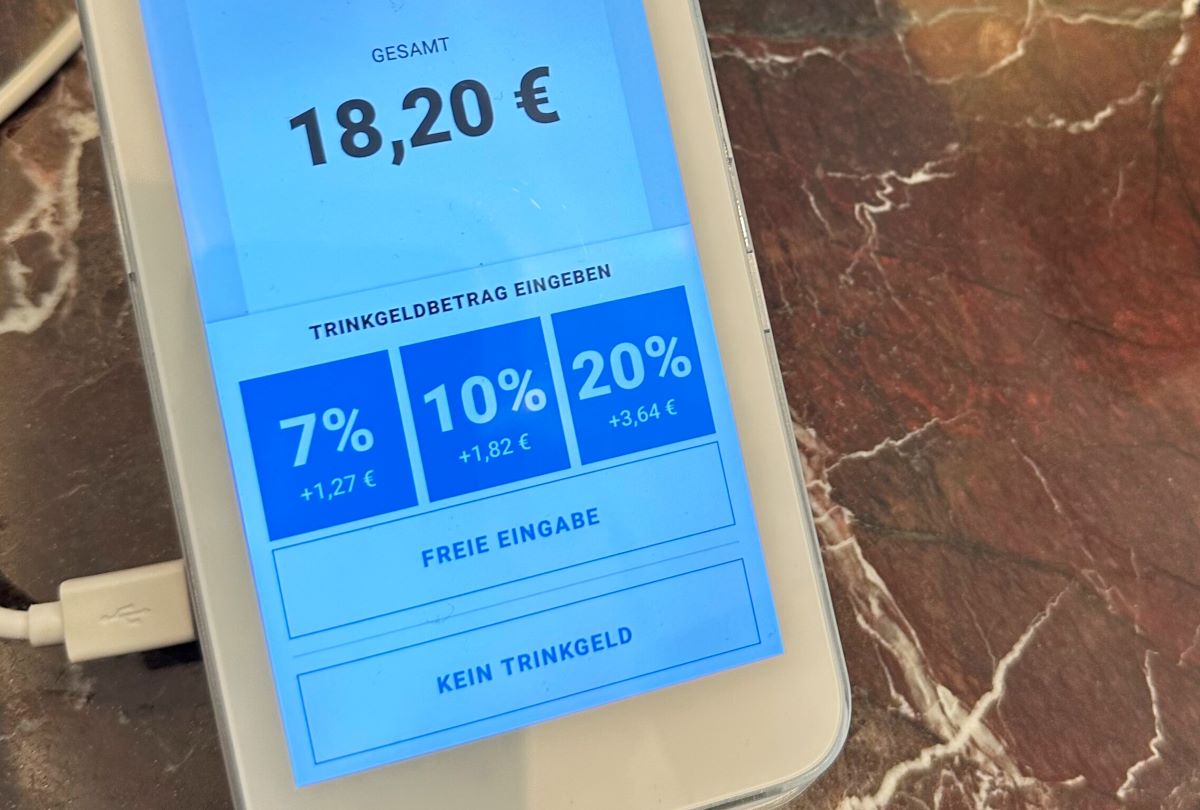
Starbucks’ main operator was recently given an official warning by the Brandenburg Consumer Protection Association (Verbraucherzentrale Brandenburg / VZB) over card terminals that failed to offer a clear “No Tip” option during the payment process at coffee shops in Germany.
Tipping in Germany is entirely voluntary, and consumer law requires that payment processes make this clear.
AmRest Coffee Deutschland, the company involved, has now committed to changing its displays, ensuring customers can easily choose whether to tip or not.
As a result, buying coffee – and tipping – should soon feel fairer and more transparent in Germany, not just at Starbucks but also across the hospitality industry.
'Dark patterns’
The complaint centred on so-called “dark patterns” – design tricks in digital interfaces that subtly push users towards choices they might not otherwise make.
In this case, Starbucks’ card terminals displayed pre-set tip percentages, but didn’t provide an obvious way to decline to tip.
Surveys suggest that people in Germany are particularly annoyed by these manipulative prompts – and the way they’re upending traditional tipping practices in the country.
READ ALSO: How the 'tip button' is disrupting Germany's tipping culture
According to a recent Bitkom survey, for example, only 29 percent find them helpful, while 64 percent admit they end up tipping more than intended.
Many people also feel the suggested amounts, often starting at 10 percent, are inappropriate for a country where tips in the range of five to 10 percent have long been the norm.
Which shops are affected by the warning?
The warning by the Brandenburg Consumer Protection Association will impact all Starbucks branches in Germany.
The relevant operator, AmRest Coffee Deutschland, manages over 150 locations across the country and – because payment software updates are rolled out centrally – the new, clearer tip options are expected to appear everywhere.
The legal precedent now established means that any business hiding or obscuring the “No Tip” option risks facing similar legal action.
So while this landmark decision is only binding for Starbucks, other restaurants, cafés and bakeries using similar card payment systems are expected to follow suit to avoid costly penalties.
Comments (1)