
Since January 1st, Germany has quietly strengthened protections for many foreign workers.
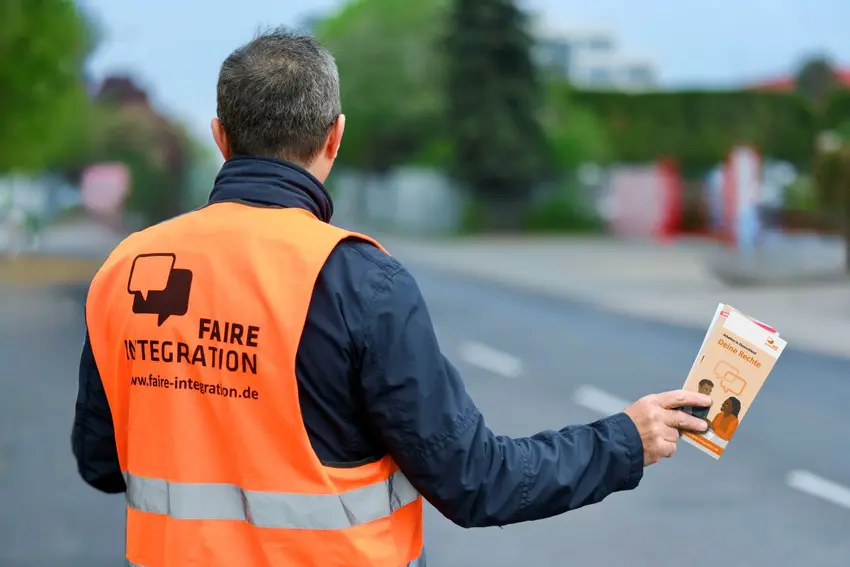
The changes centre on Fair Integration (Faire Integration), a free, nationwide advisory service which offers non‑EU workers confidential guidance on employment issues ranging from unpaid wages to unfair dismissals and unclear contracts.
The Local spoke to Mousa Othman, a specialist adviser at the Competence Centre for Fair Integration* (Fachstelle Faire Integration), and Katharina Hamann, who handles public relations.
The two are closely involved in the day‑to‑day realities of counselling foreign workers – and in implementing a major change to how the service operates in 2026.
Here they explain how Fair Integration can help foreign employees in Germany, and offer their top tips.
What does Fair Integration do?
At its core, Fair Integration provides free, confidential workplace advice for foreign, non-EU workers in Germany.
That advice, offered in multiple languages, covers a broad range of employment issues including; unpaid wages, overtime, sick pay, termination, notice periods, holiday entitlements, unclear contracts, payslips and questions about how labour law interacts with residence status.
Crucially, the service is not a law firm – a distinction both experts were careful to stress.
Instead, advisers explain what someone’s options are, clarify documents and help people assess what further actions make sense in their individual situation.
That limits expectations, but it also keeps the service accessible. Counselling is free and Othman and Hamman both emphasised that it’s designed to inform and empower, rather than push people in a specific direction.
READ ALSO: ‘Get curious’ - Expert advice on how to change careers in Germany
In addition, confidentiality is a key part of the offering. “If someone comes to us and says, ‘I don’t want to give my name or my address,’ that’s completely fine. You can remain anonymous,” said Hamann.
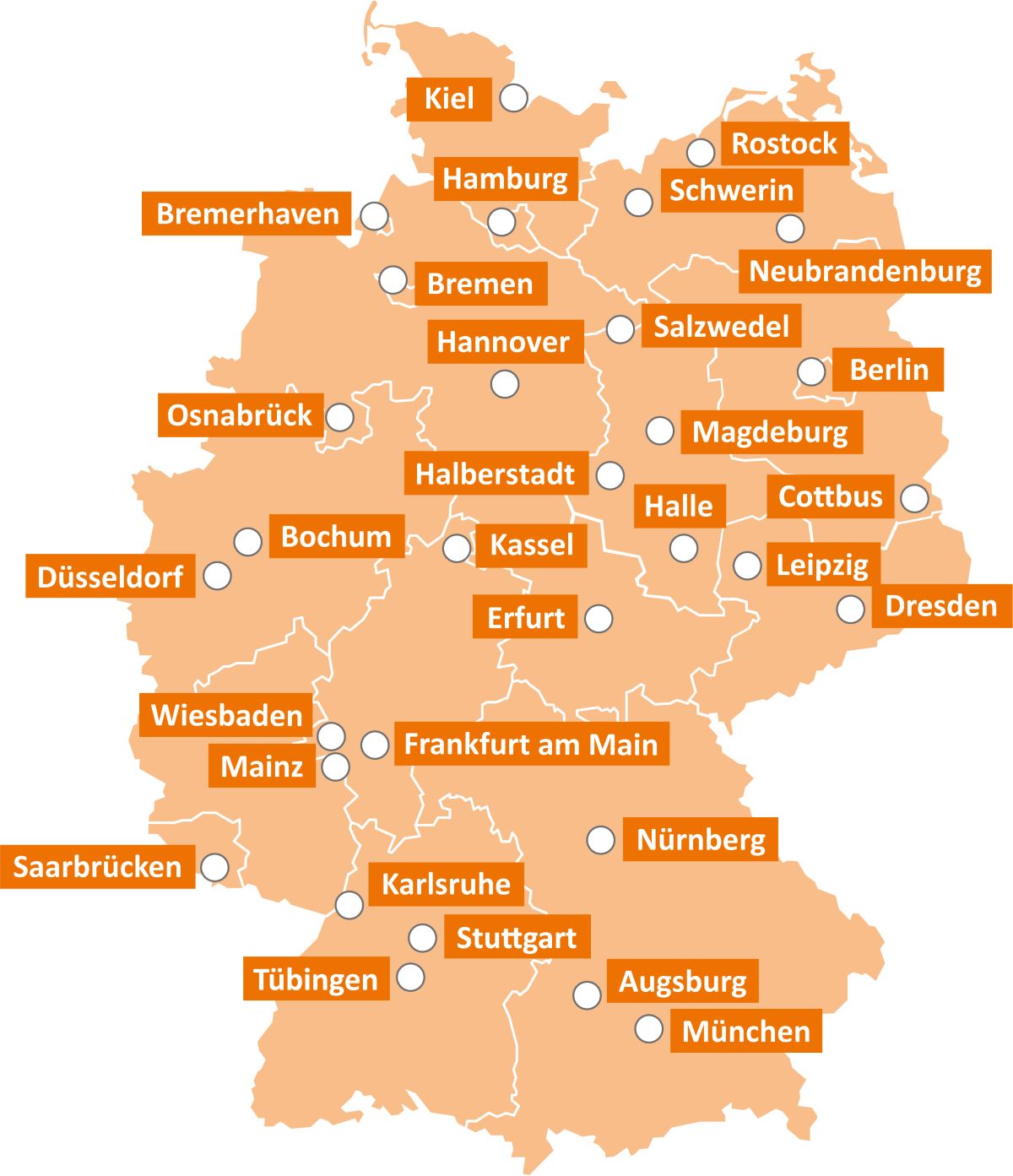
Workers who want to contact Fair Integration can find their nearest advisory centre via the organisation’s website.
Advice centres can be contacted directly online, by phone or in person. The website is available in eight languages: German, English, French, Arabic, Spanish, Russian, Persian and Turkish.
It also includes a growing set of FAQs and short videos covering common employment‑related questions.
Who does Fair Integration help?
Fair Integration is aimed primarily at third‑country nationals – people who are not EU citizens –who are working, in training or planning to work in Germany.
This focus is deliberate. According to Othman, this group often faces additional legal and structural pressures.
“One specific challenge for third‑country nationals is that sometimes their residence permit depends on their job,” he said.
The scope of the service has also expanded since the beginning of this year. Fair Integration can now advise people before they arrive in Germany.
The change is intended to help people evaluate job offers, contracts and working conditions before signing anything or relocating – rather than discovering problems only once they’ve arrived in Germany.
Another practical change introduced this year affects access. Previously, counselling was largely organised by federal state. Since January, people can now contact advisers across regions and choose by language or background, rather than being restricted to where they live.
As Othman pointed out, this can make a huge difference to whether people are willing to seek help at all.
The problems advisers see again and again
When foreign workers do contact Fair Integration, the same problems tend to crop up repeatedly.
“The issues primarily revolve around wage claims, unpaid overtime, continued pay during sick leave, or what happens to remaining vacation entitlements and wages in the event of termination,” said Othman.
Termination generally is a major topic – including dismissals, voluntary resignations and occasionally the pressure to sign mutual termination agreements without understanding the consequences.
READ ALSO: How to know if you're getting a good severance package in Germany
The Centre’s own figures underline how widespread these issues are. In 2025 alone, Fair Integration recorded nearly 10,000 initial consultations, followed by more than 5,000 follow‑up sessions nationwide.
In total, the team reached over 13,600 people through individual and group counselling.
The sectors involved also tend to reflect the areas where many foreign residents work: hospitality, health and social care, cleaning, logistics, construction and manufacturing.
'Precarious employment doesn’t get better if you wait'
One of the biggest underlying problems is lack of basic information.
“Often, people don’t know there’s a minimum wage in Germany – or that it applies to them even though they’re from a third country,” said Hamann.
Othman added that contracts can be misleading in practice. “If you work in a restaurant or as a delivery driver and the contract says 40 hours, but in reality you work 60, then the minimum wage is no longer being observed – and that’s not allowed,” he said.
Both advisers stressed that problems at work often become worse because wait too long before they seek help.
READ ALSO: 'Inhumane' - How Germany failed a group of Vietnamese nursing trainees
“Often, people only come to us when they’re already having real problems,” Hamann said.
By that point, she explained, many workers are already deeply embedded in precarious employment situations that are much harder to resolve.
“Precarious employment doesn’t get better if you wait,” she warned.
When German rules don’t work the way newcomers expect
Not all of the problems advisers at Fair Integration see are the result of deliberate exploitation. Quite often, they stem from unfamiliar systems or assumptions that simply don’t translate well across borders.
Payslips and deductions are one of the most common sources of confusion. In Germany, the gap between gross and net pay can be substantial because of mandatory health insurance and social security contributions. This can be a shock for people coming from countries where wages are paid differently or entirely in cash.
“A lot of people don’t understand their payslips at all,” said Hamann.
Other surprises relate to how German labour law is structured.
“In other countries, people might be used to being tied to one employer for two years,” Othman explained. “Germany’s relatively short notice periods are meant to offer freedom – but at first that can feel like insecurity.”
READ ALSO: Will Germany scrap the eight-hour working day?
And that sense of insecurity is often intensified by residence permits that name a specific employer. German law does allow job changes, but the way these permits are written can often make workers feel trapped.
According to Othman, the psychological effect alone can discourage workers from questioning unfair conditions or seeking help – even when they're legally entitled to do so.
Top tips from the experts
Othman and Hamann both stressed that many serious problems could be avoided with a few basic steps.
First: insist on written contracts and make sure you understand them before signing. If a contract is in German and your German is limited, get it translated or explained.
Second: never hand over original documents to your employer, especially not ID or visa documents.
Third: make sure know who your employer actually is, how your working hours are recorded and what the rules are if you’re sick or late.
Finally, Othman recommended opening a bank account as early as possible. “That way, the employer has no reason to pay in cash,” he said.
Above all, both experts urged people not to wait until problems escalate.
* The Competence Centre for Fair Integration is managed by IQ Consult gGmbH, a nonprofit organisation that is a wholly owned subsidiary of DGB Bildungswerk e.V.
Comments