
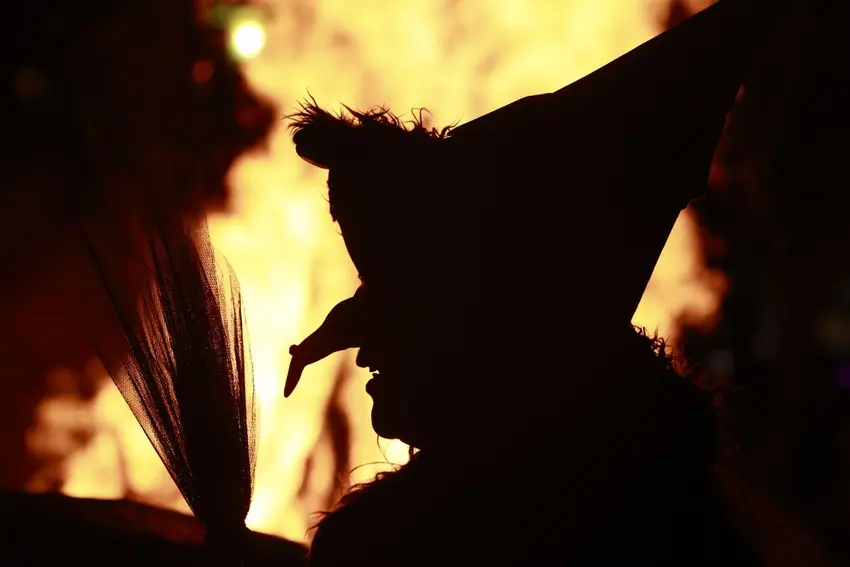
The night of April 30th – Walpurgis Night – has become one of the country’s most atmospheric folk celebrations, associated above all with witches. Bonfires are lit, costumes donned and Germany’s most infamous mountain rings with the sound of cackling laughter.
But Germany’s witches are more varied than the pointy‑hat stereotype suggests. Some are monsters; some are misunderstood; some are innocent victims of history; and some are cultural icons beloved by generations of children.
For this list, we’ve brought together seven of the most famous "witches" connected to Germany, drawn from folklore, fairy tales, children’s literature, modern media and real historical cases.
Together, they show how the idea of the witch has shifted over time – from pagan spirit to Christian saint and from fairy‑tale villain to friendly children’s hero.
Walpurga (and the Walpurgis witches)
Walpurga tops the list not because she was a witch – but because of how ironic it is that she's become so closely associated with the ultimate witches’ night.
Walpurgis Night today is synonymous with the idea of witches gathering on mountaintops, especially on the Brocken, the highest peak in the Harz mountains.
In folklore and later literature, witches are said to fly there on the night before May Day to dance, feast and summon dark forces.
READ ALSO: German word of the Day - Walpurgisnacht
Yet the night is named after Saint Walpurga, an eighth‑century Anglo‑Saxon missionary and abbess who helped spread Christianity in the German lands.
She was venerated as a saint and her feast day originally fell on May 1st. Over time, her name became attached to pre‑Christian folk traditions.
The result is one of Europe’s great cultural reversals: a Christian saint giving her name to a night famous for pagan imagery and witchcraft.
Die kleine Hexe (The Little Witch)
Every witch on this list has earned their place for a reason – and in the case of the Little Witch it’s counter-intuitively for her goodness.
Created by author Otfried Preußler, the Little Witch is the heroine of one of Germany’s most beloved children’s books. She is kind‑hearted, curious and determined to do good – qualities that put her at odds with the older witches around her.
Her story begins on Walpurgis Night, when she secretly flies to the Brocken (also known historically as the Blocksberg) to join the witches’ gathering.
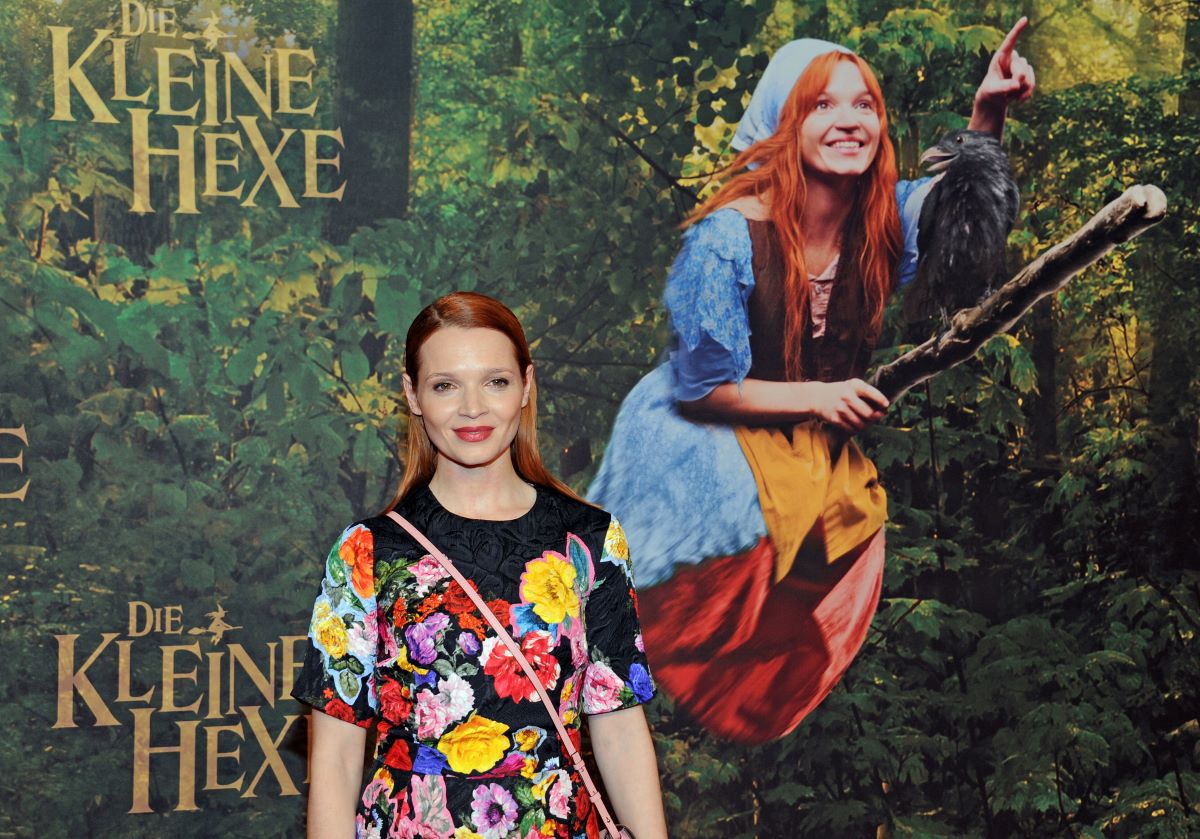
The Little Witch is discovered and has her broom burned as a punishment. She's told she can only return the following year if she proves herself to be a “good witch”.
But “good” in this case means being good at doing evil. The Little Witch instead spends the year helping people, rewarding kindness and opposing cruelty.
When the witches reject her because of this, she fights back and finally uses her magic to strip them of their powers.
The witch from Hänsel und Gretel
In folklore, magic is often said to require balance. And so, to counter the goodness of the Little Witch, here we have a figure of absolute menace.
Living alone in the forest, tempting starving children to her door with a house built from bread, cake and sugar – no other German witch embodies pure fairy‑tale horror more completely than the unnamed witch from Hänsel und Gretel.
READ ALSO: 8 times traditional German kids' tales were way too brutal for Disney
Half‑blind, predatory and patient, once she has the children in her power she fattens poor Hänsel for the table as if he were a pig, and forces Gretel to work as a servant.
This witch has no name and no backstory. She exists only as danger personified – hunger, deception and death rolled into one.
Anna Maria Schwegelin
If the witch from Hänsel und Gretel represents our most lurid fantasies, then the fate of Anna Maria Schwegelin arguably represents what can happen when these fantasies are mistaken for reality.
Schwegelin was an eighteenth‑century servant who became one of the last people sentenced to death for witchcraft in what is now Germany. Living long after the height of the witch trials, she nonetheless became caught up in a system that still credited the idea of pacts with the devil.
Poor, surviving on the margins of society and suffering ill health, Schwegelin came to believe – or was persuaded to believe – that she had made such a pact.
Schwegelin was sentenced to death, although later historical research suggests the execution was never carried out and that she died in prison.
Her story highlights an uncomfortable truth: historically, the true victims of witchcraft were most often the accused, not those supposedly harmed by magic.
Diederich Flade
Witch trials overwhelmingly targeted women – but not exclusively. The case of Diederich Flade shows how accusations could turn on anyone once fear took control.
Flade was a judge in sixteenth‑century Trier who had himself presided over witch trials and passed death sentences. In a chilling case of poetic justice, he himself was later accused of witchcraft, imprisoned, tortured and forced to confess.
Despite his position, Flade was executed in 1589 – proving that no one was truly safe when the fear of witchcraft took hold.
Frau Holle (and Perchta)
Not all supernatural women in German folklore are witches. Frau Holle represents a much older tradition of wise, morally complex female figures.
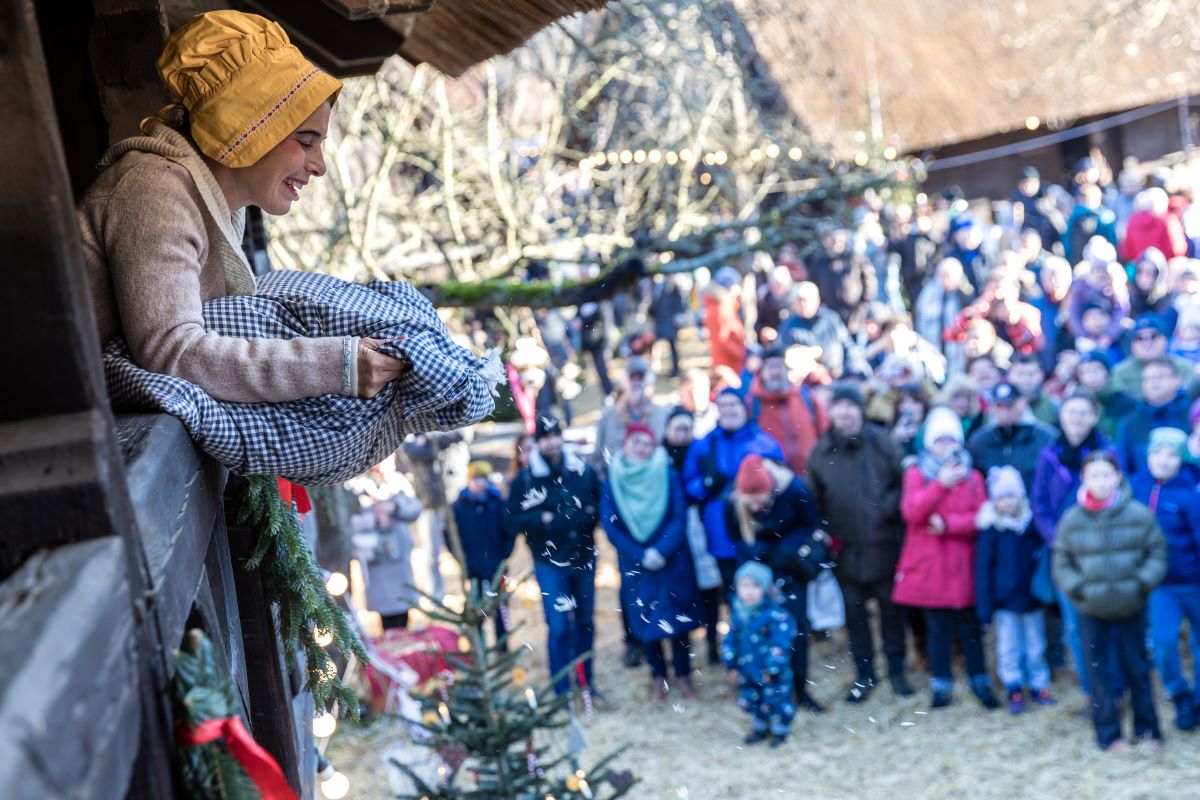
Known mostly from the Grimm’s tale of the same name, Frau Holle rewards diligence and punishes laziness, most memorably by shaking her bedding so that feathers fall as snow.
She's not a witch in the fairy‑tale sense, but a powerful otherworldly presence connected to nature, domestic labour and seasonal change.
READ ALSO: Witches to the plague: 5 places to learn about Munich's dark past
Closely related is Perchta (or Berchta), a figure from Alpine and Germanic folklore. Like Frau Holle, she oversees household order and appears during winter, rewarding hard work and punishing neglect.
Together, they suggest an older, pre-Christian layer beneath the witch stereotype: of women associated with wisdom, order and the rhythm of the natural world.
Bibi Blocksberg
Bibi, the youngest witch on this list – and arguably the best known in modern Germany – is a teenage witch from a long‑running children’s franchise that began as radio plays and expanded into books, television and film.
Lively, outspoken and mischievous, Bibi uses magic to challenge authority, help friends and generally cause chaos.
Her surname references the Blocksberg, linking her firmly back to Walpurgis Night folklore. Yet Bibi is thoroughly modern: a child negotiating difference, responsibility and power.
Where a girl like her might once have been cast as a victim, or simply as a meal, she's now positioned firmly as the hero of the story.
It's a shift that feels like progress – and a good indication of how far Germany’s witches have travelled over the centuries.
Comments