
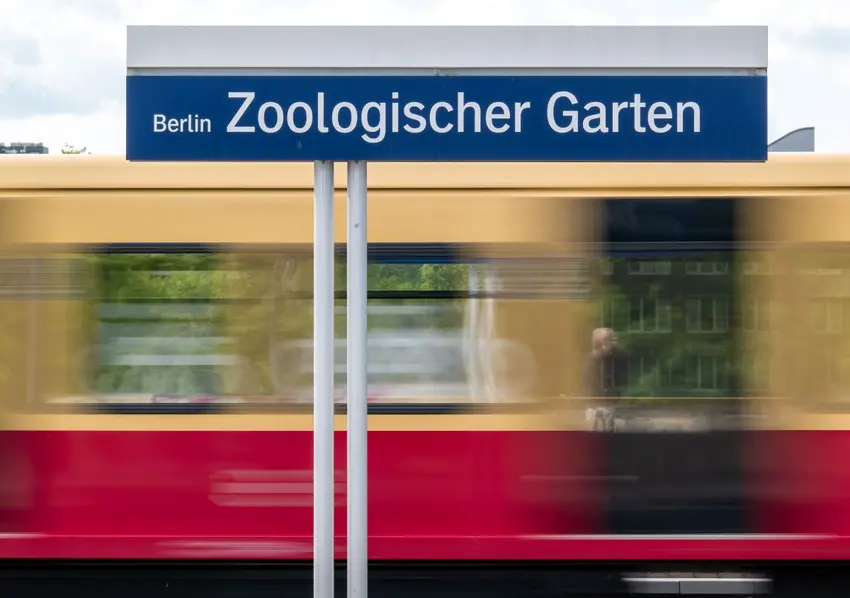
From Friday, anyone passing through two of Berlin’s busiest S‑Bahn stations will notice a clear change: alcohol is no longer allowed.
Deutsche Bahn (DB) has decided to introduce an indefinite ban on drinking at the S-Bahn stations Zoologischer Garten and Ostbahnhof, a move first reported by Berliner Zeitung.
The state‑owned rail company says the aim is to improve cleanliness and security in places many passengers currently experience as uncomfortable or threatening.
Where and how the ban will apply?
The new rule comes into force on May 1st and covers the entire station areas of Zoologischer Garten and Ostbahnhof, including the forecourts outside the main entrances.
From that date, drinking alcohol anywhere on station premises is prohibited. Carrying alcohol in open bottles or cans is also banned.
The ban is to be enforced by DB Security staff, who are already present at both stations around the clock. In the first few weeks, the emphasis will be on what DB calls “friendly education”.
Security staff have been instructed to explain the new rules calmly and give people time to adjust. Only if warnings are ignored will passengers be asked to leave the station.
READ ALSO: What's the best option when buying public transport tickets in Berlin?
In cases of repeated violations, DB reserves the right to issue station bans or even file criminal complaints. Clear signs will be installed in and around both stations to mark the alcohol‑free zones.
There are, however, some important exceptions: the ban does not apply inside station bars, restaurants or shops that sell or serve alcohol for consumption on their premises.
Why DB is taking action?
DB argues that the ban is a necessary step to tackle ongoing problems with violence and disorder at major stations.
While recent police statistics show a slight decline in overall crime, Berlin’s train stations remain among the places many people fear most. Theft, assaults and drug‑related offences are common, and DB staff report frequent verbal and physical attacks.
According to a DB spokesperson, alcohol often plays a central role in these instances. Drinking can lower inhibitions, increase aggression and contribute to behaviour such as public urination, which many passengers find distressing.
Research cited by the railway also suggests that visibly intoxicated individuals make others feel unsafe, even if no crime occurs.
READ ALSO: Berlin introduces knife ban on public transport
Zoologischer Garten and Ostbahnhof were chosen first because the two stations are already heavily patrolled.
But DB has made it clear this is just the beginning: if the measure proves effective, other Berlin stations are likely to follow.
Comments