
Somehow, May always feels like the month when Germany finally exhales. Café terraces reappear, parks come back to life and beer gardensgear up for their busiest stretch of the year.
Not coincidentally, it’s also when Germany’s public holiday calendar really hits its stride. In a steady succession, Labour Day, Ascension Day and Whit Monday give people the chance to plan long weekends and feel quietly smug about where life has brought them.
Here’s our look at the best of what the month has to offer.
May 1st: Labour Day (Tag der Arbeit), nationwide
Labour Day is one of Germany’s most important public holidays and a key date in the social and political calendar. Observed nationwide, it commemorates the labour movement and workers’ rights, with shops and offices closed across the country.
In larger cities, trade unions and political groups organise demonstrations and rallies, while many neighbourhoods also host open‑air events, concerts and informal street celebrations.
READ ALSO: The essential guide to celebrating May 1st in Berlin in 2026
Elsewhere, the day is often treated as the symbolic start of spring, with parks, beer gardens and picnic spots filling up quickly.
Because the holiday falls on a Friday this year, it also creates a long weekend that many residents are likely to use for travel or short city breaks.
May 1st to May 3rd: Gallery Weekend Berlin, Berlin
Gallery Weekend Berlin is one of the capital’s most open and welcoming cultural events – and a must for people keen to connect with Berlin’s contemporary art scene.
Taking place from Friday to Sunday, the 22nd edition sees around 50 galleries open their doors simultaneously.
One thing which makes the weekend so appealing is the low barrier to entry. Most exhibitions are free, no tickets are required and visitors are encouraged to drop in casually.
The participating galleries also tend to be grouped close together in one of four neighbourhoods – Mitte, Kreuzberg, Schöneberg and Charlottenburg – which makes gallery hopping both easy and a fun way to get to know the city better.
In addition, the programme also offers a series of art talks – which are often free and in English – and guided art walks (booking required).
And one new feature worth looking out for this year is ‘Perspectives’, whereby a smaller number of galleries have been invited to present particularly ambitious exhibition projects.
READ ALSO: Everything that changes in Germany in May 2026
May 2nd: Rhine in Flames (Rhein in Flammen), Bonn
Rhine in Flames is the traditional opening of Bonn’s outdoor event season and one of the most spectacular festivals along the Rhine.
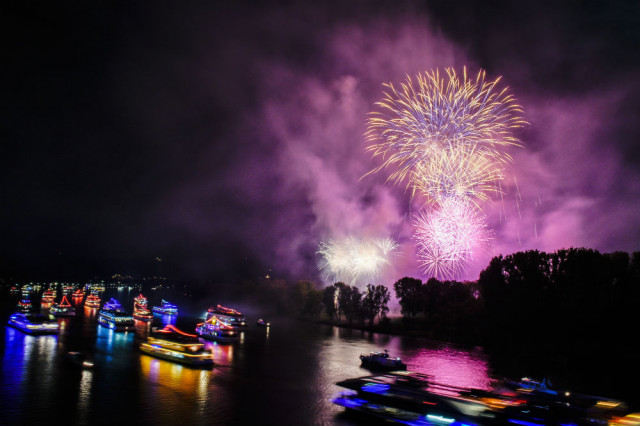
Officially, the event runs from May 1st to 3rd, but the highpoint is undoubtedly Saturday night, when festively lit boats travel upstream before a choreographed fireworks finale over the Rheinaue park.
On land, the weekend also includes live music, food stalls and open‑air entertainment, all set against the Rhine Valley landscape.
May 2nd to May 9th: Green Sauce Festival (Grüne‑Soße‑Festival), Frankfurt
The Green Sauce Festival celebrates Frankfurt’s most famous local dish: Grüne Soße, a cold herb sauce traditionally made from seven regional herbs.
Each evening, guests sample seven different versions prepared by competing restaurants and vote to determine the winner.
Tickets for an evening start at about €60 and include food and drink (not limited to tasting the different sauces) as well as a programme featuring comedy, music and cabaret, all staged in a large tent on the Roßmarkt in the city centre.
Founded in 2008, the festival has become a fixture of Frankfurt’s foodie calendar. This year, it officially features 49 restaurants competing over the course of the week.
READ ALSO: 9 incredible foods you have to try while visiting Frankfurt
May 8th to May 10th: Hamburg Harbour Birthday (Hafengeburtstag), Hamburg
Hamburg Harbour Birthday is widely described by the city as the world’s largest port festival, celebrating the founding of the Port of Hamburg in 1189.
Over three days, the harbour becomes the stage for ship parades, open‑ship visits, floating concert stages and maritime displays.
A defining feature of the event is the mix of historic sailing ships, modern vessels and working harbour craft – including a choreographed tugboat ballet performed on the Elbe.
Large sections of the waterfront are opened up for walking, eating and watching the activity on the water.
READ ALSO: Six uniquely German music festivals you won't want to miss in spring 2026
May 10th to May 17th: International Dixieland Festival, Dresden
The International Dixieland Festival transforms Dresden into a city‑wide jazz stage for eight days each spring. Officially described as the world’s oldest and largest festival for traditional jazz, it features concerts in theatres, public squares, trams and even on paddle steamers along the Elbe.
A distinctive feature of the festival is the balance between ticketed concerts and extensive free programming, allowing visitors to encounter live music simply by moving through the city.
Events range from family‑friendly daytime performances to late‑night shows in historic venues.
The 54th edition in 2026 marks the full return of the outdoor “Jazz Mile” through Dresden’s historic centre.
READ ALSO: Five surprising things about Dresden, a gem on the Elbe River
May 14th: Ascension Day (Christi Himmelfahrt), nationwide
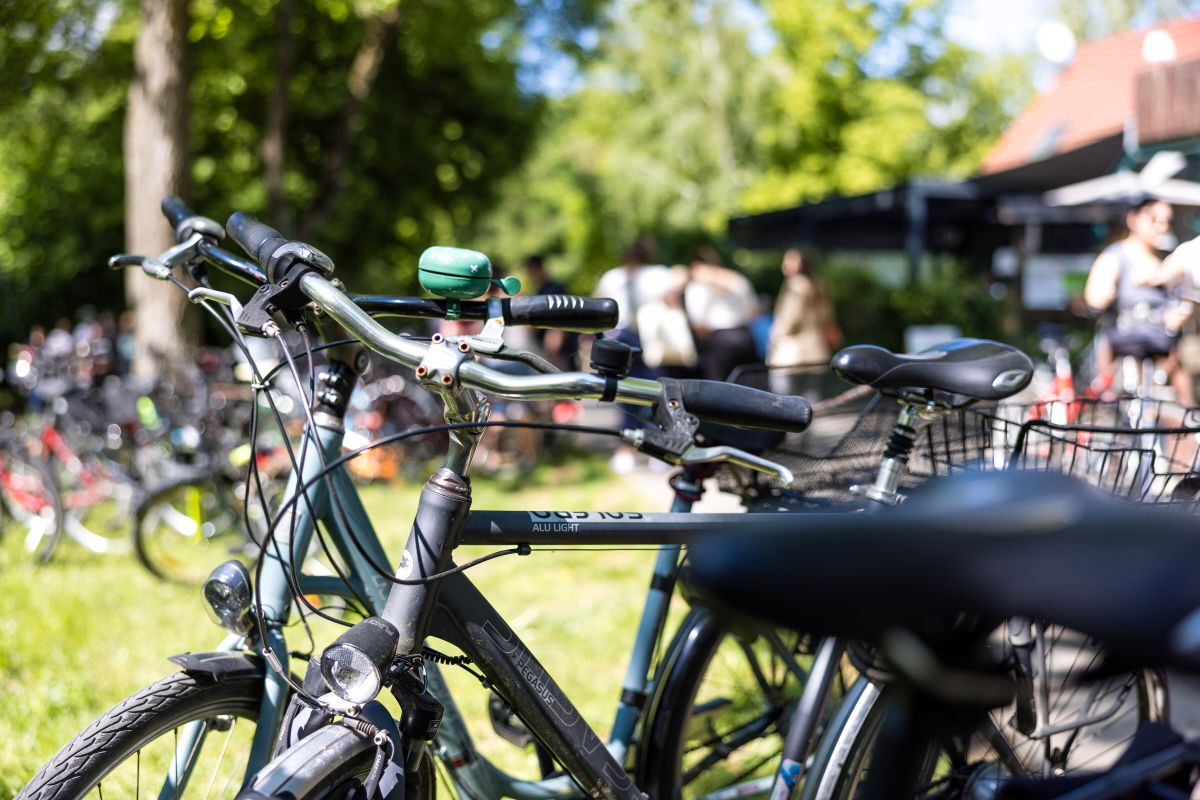
Ascension Day is a nationwide public holiday in Germany, rooted in the Christian calendar but also popularly known as Vatertag (Father’s Day), with traditions that favour cycling, walking and social gatherings.
Across the country, groups take advantage of the spring weather for countryside outings, while beer gardens and excursion destinations see a noticeable increase in visitors.
READ ALSO: Vatertag, Herrentag, Männertag, Christi Himmelfahrt - Germany's many names for Ascension Day
Public transport operates on a holiday schedule, and many cultural venues adjust opening hours.
Falling on a Thursday in 2026, Ascension Day creates another potential long weekend.
May 22nd to May 25th: Carnival of Cultures, Berlin
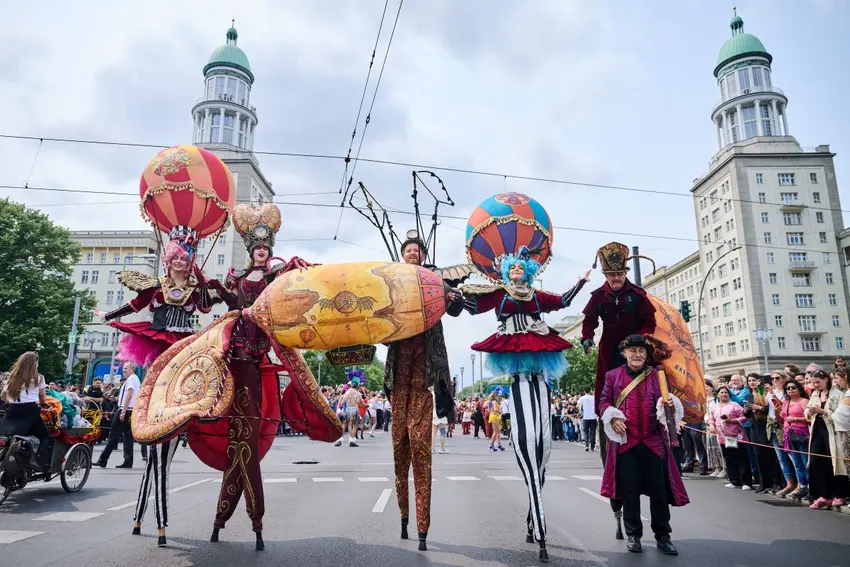
The Carnival of Cultures is one of Berlin’s largest and most visible celebrations of diversity. First held in the mid‑1990s, the event brings together thousands of performers for four days of music, dance, food and performance – culminating in a major street parade.
The festival area around Blücherplatz hosts multiple stages, market stalls and family‑friendly activities, while the parade itself runs along Frankfurter Allee and Karl‑Marx‑Allee this year.
All events are free to attend, reinforcing the carnival’s role as a public celebration of the city’s multicultural identity.
May 25th: Whit Monday (Pfingstmontag), nationwide
The third nationwide bank holiday in May, the meaning of Whit Monday may not be obvious to everyone in the country.
The holiday is connected to Pentecost, which takes place 49 days after Easter Sunday and commemorates the descent of the Holy Spirit upon the Apostles in Jerusalem.
READ ALSO: Six things you have to do in Cologne in the spring
While Pentecost is primarily a Christian (and especially Catholic) holiday, Whit Monday is observed across all 16 of German’s federal states.
Local traditions including fairs and festivals still exist in some regions, but most people today enjoy it for its practical benefits rather than its religious meaning.
Attempts to abolish the holiday – most notably by business groups in 2005 – were unsuccessful.
May 29th to June 7th: Würzburg Wine Village (Würzburger Weindorf), Würzburg
The Würzburg Wine Village transforms the city’s market square into a temporary Franconian village of timber stalls, shared tables and local wines.
For ten days, regional winemakers and restaurateurs work together to showcase Franconian wine culture in the heart of the old town.
Visitors can sample wines directly from producers while sitting beneath the façade of the Marienkapelle, with food and live music contributing to the relaxed, communal atmosphere.
The event has been running since the late 1980s and is deeply rooted in local tradition.
Comments