
Monday's top story: Military spending in Germany surges by 24 percent
Germany sharply increased its military spending last year, posting a 24 percent rise to €97 billion and cementing its position as the world’s fourth‑largest defence spender, according to new figures from the Stockholm International Peace Research Institute (SIPRI).
It marks the third consecutive year of double‑digit growth and the first time since 1990 that Germany has spent more than two percent of its GDP on defence.
Germany now trails only the United States, China and Russia in absolute terms and plans to raise defence outlays to 3.5 percent of GDP by 2029. Despite a slowdown in overall global growth due to reduced US spending, defence budgets outside the US continued to rise strongly.
Russia and Ukraine both increased military spending again, with Ukraine devoting an unprecedented share of its economy to defence. In contrast, expenditure across the Middle East remained broadly stable, while Israel and Iran recorded real‑terms declines.
SIPRI warned that, given ongoing conflicts and long‑term security ambitions, upward pressure on defence spending is likely to continue well beyond 2026.
READ ALSO: The German army joins Hanover trade fair as defence industry booms
Deutsche Bahn to freeze ICE ticket prices for one year
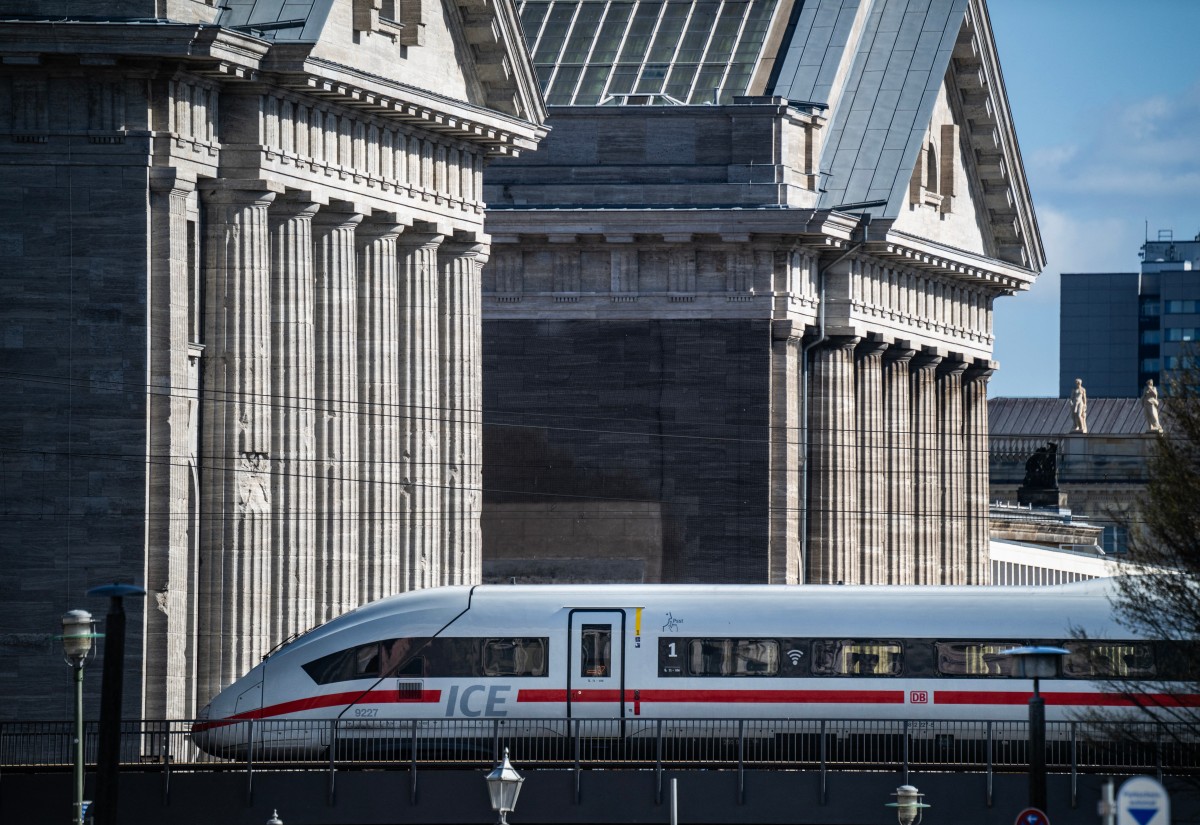
Despite rising energy costs, Deutsche Bahn plans to freeze long-distance train ticket prices for one year, CEO Evelyn Palla told Bild am Sonntag newspaper.
The freeze, which is designed to ensure "stability and security" for "everyone who wants and needs to remain mobile", will last one year from May 1st. This is the second time the state-owned company has decided not to hike prices, after forgoing the annual price increase last winter.
"A fresh start at Deutsche Bahn means taking on more responsibility and setting new priorities," Palla told the paper.
"The top priority now is: running trains, running trains, running trains, and ensuring that people in Germany can continue to afford to travel."
According to the CEO, this will make the railway an "anchor of stability in uncertain times."
READ ALSO: Deutsche Bahn expands high speed train services between Cologne and Brussels
Doctors and food watchdogs call for sugar tax
Doctors and European food advocacy group Foodwatch have issued a joint appeal calling for the introduction of a sugar tax in Germany.
According to Foodwatch, the appeal was signed by some 4,000 doctors, including Klaus Reinhardt, president of the German Medical Association, and over 1,000 nutritionists, diabetes consultants and pharmacists.
The government should "seize this opportunity" and "present a concrete proposal" said Reinhardt, according to Foodwatch.
READ ALSO: How Germany's public health insurance shake-up will affect families
An expert commission appointed by the government presented its proposals for a reform of statutory health insurance about ten days ago, including the possibility of a sugar tax.
Health minister Nina Warken expressed openness to the idea but pointed out that there are "differing opinions" on the sugar tax within her party. A proposal by the Schleswig-Holstein state association to introduce a tax on sugary drinks failed at the CDU federal party conference in Stuttgart in February.
Germany is one of Europe's largest consumers of soft drinks.
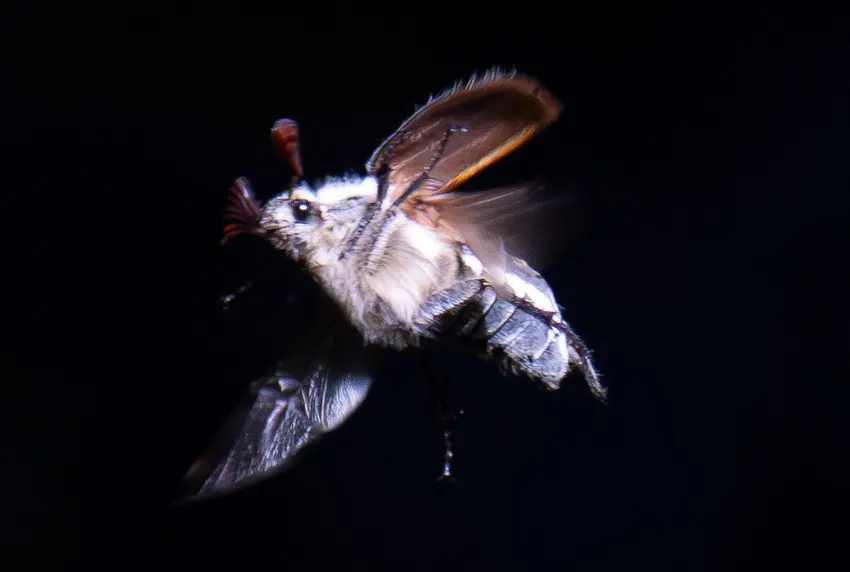
Mass swarm of May bugs returns to southern Hesse
As warm spring evenings settle over southern Hesse, millions of May bugs (also called cockchafers) are taking to the air around Mörfelden‑Walldorf and Darmstadt, filling the dusk with a loud, buzzing sound, according to conservation experts.
The mass flight, which typically occurs only once every four years, is driven by the insects’ long development cycle. After spending several years underground as grubs, the insects emerge together to mate and feed, favouring oak leaves.
Experts estimate that by early May up to half a billion bugs could be on the move in the region, making it one of the largest such events in Germany.
But biologists warn the spectacular sight has a darker side. Extensive drainage of the former floodplain, known as the Hessian Ried, has created dry, warm soils ideal for egg‑laying, while climate‑related drought has weakened many trees.
The insects therefore place an additional strain on already damaged forests, as adult bugs strip leaves and their larvae feed on tree roots.
Smaller swarms are expected elsewhere in Baden‑Württemberg, but the Hessian Ried remains the epicentre of this phenomenon.
AfD hits record high in voting intention poll
The AfD achieved 28 percent in Saturday's weekly voting intention poll by INSA – the highest level the pollster has ever recorded for the far-right party and an increase of 1.5 percentage points from the previous week.
This put the party four percentage points ahead of the conservative CDU, which was unchanged at 24 percent. The Greens dropped 0.5 points to 12 percent while the SPD and the Linke were stable at 14 percent and 11 percent, respectively.
With 11 percent of votes in this poll going to parties (BSW, FDP and others) below the 5 percent threshold for entering the Bundestag, those votes wouldn’t translate into seats – meaning that, theoretically, a majority could be formed with as little as 45 percent of the total vote.
Every week, the INSA poll asks people how they would vote if a federal election were held on the following Sunday. A total of 1,203 people were surveyed for this latest poll.
READ ALSO: Anti-immigration AfD party wants to bring ICE to Germany
Whale rescue drama continues, but end in sight
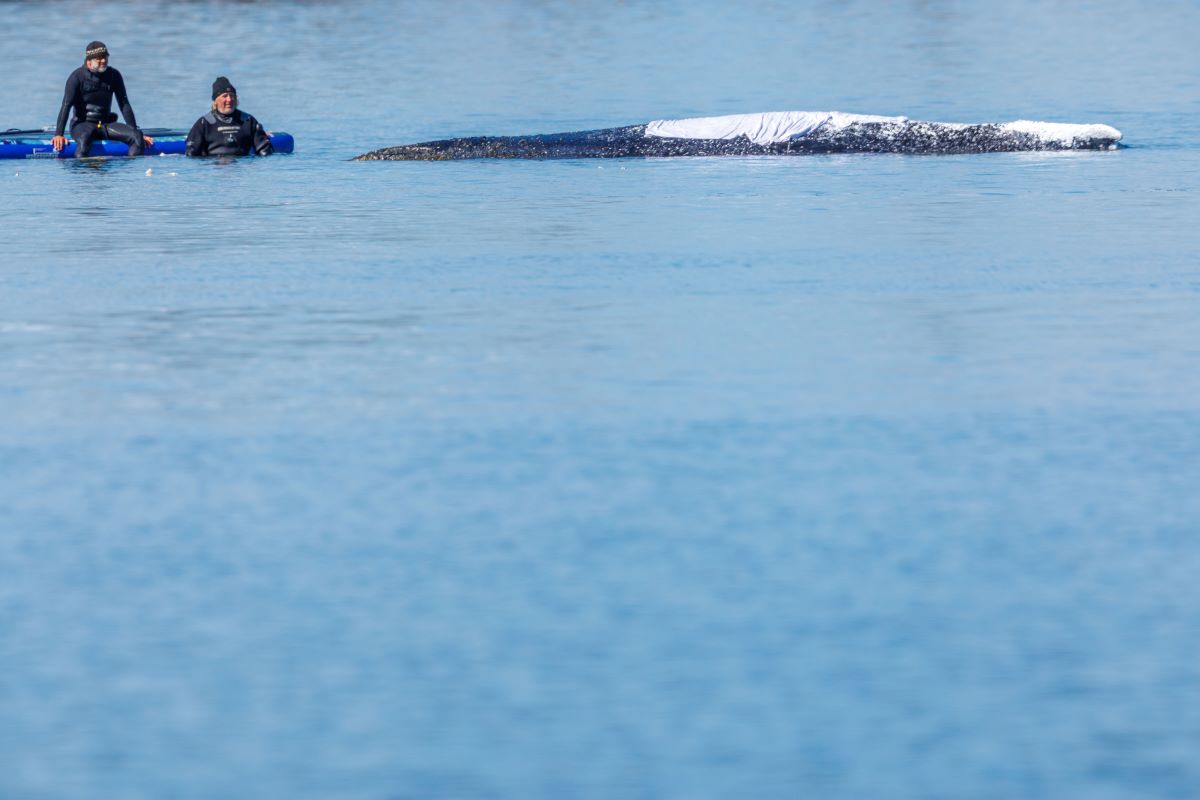
The desperate fight for the life of the humpback whale stranded off the Baltic Sea island of Poel continued over the weekend.
A special submersible vessel to transport the whale to the North Sea was en route from Hamburg on Sunday, according to Mecklenburg-Western Pomerania's environment minister Till Backhaus.
Experts on site said the 12-15-tonne whale, which has been stuck in a shallow area of water for almost four weeks, was "fit for transport" and in "relatively good condition".
READ ALSO: Beached whale frees itself from German coast
A private rescue initiative financed by entrepreneurs is attempting to save the distressed whale in an operation unprecedented in Germany. The mammal, which is actually native to the Atlantic Ocean, has been in the waters off the German Baltic coast since the beginning of March, stranding itself several times and becoming entangled in fishing nets.
In theory, the special vessel will allow the whale to float, as if in a pool, and be transported to the North Sea. The vessel was expected to arrive late Sunday evening or Monday morning while the rescue operation could begin on Tuesday or Wednesday.
With reporting by AFP and DPA and Tom Pugh.
Comments