
Lufthansa said Thursday that it was accelerating savings plans by closing a regional subsidiary as the German aviation giant struggles with surging fuel costs due to the Iran war and a wave of labour strikes.
The group announced in a statement that its small CityLine carrier, which mainly operates short-haul flights from destinations in Europe to Frankfurt and Munich, would stop operating on Saturday.
The loss-making carrier's 27 aircraft would be "permanently removed from the flight programme", it said.
The group also said it would reduce capacity on long- and short-haul routes after the US-Israeli conflict against Iran sent global energy prices soaring.
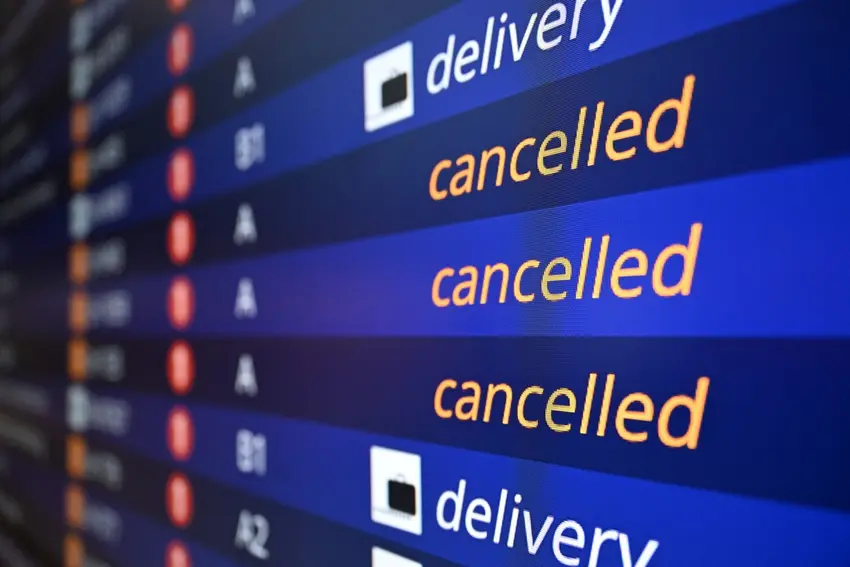
As well as the hit from the war, Europe's biggest aviation group has had to contend with a wave of strikes by staff in recent months -- this week alone, cabin crews and pilots are staging back-to-back walkouts for five straight days.
READ ALSO: Travel to and from Germany disrupted by back to back Lufthansa strikes
The closure of CityLine was due to "significantly increased kerosene prices, which have more than doubled compared to the period before the Iran war, as well as rising additional burdens from labour disputes", it said.
Lufthansa, which also operates the Eurowings, Austrian and Swiss airlines, had previously said it planned to close CityLine and has set up a new subsidiary, City Airlines, to serve similar routes.
But the shutdown had not been expected so soon.
To reduce capacity, or the number of seats it offers, Lufthansa said it would ground six aircraft operating on long-haul routes after the summer.
Five aircraft from Lufthansa's main airline serving short- and medium-haul routes would also be taken out of service later in the year.
'Painful step'
The measures will save on costs as it would reduce Lufthansa's overall fuel consumption and also remove less fuel-efficient aircraft from the group's fleet, it said.
While most of Lufthansa's kerosene was secured via long-term contracts, 20 percent still needs to be bought on the open market at "significantly" higher prices on the open market, it said.
READ ALSO: Will travellers in Germany be affected by Europe's looming jet fuel crisis?
"The package for accelerated implementation of fleet and capacity measures is unavoidable in light of the sharply increased kerosene costs and geopolitical instability," said Till Streichert, the airline's chief financial officer.
Shuttering CityLine was a "painful step", he added. Lufthansa is trying to find jobs for affected staff in other airlines of the group.
Lufthansa's shares were down over two percent in Frankfurt after the announcement.
Gerald Wissel, an aviation expert at Airborne Consulting, told AFP that removing some older aircraft from the group's flight schedule "makes sense... as they consume a great deal of fuel".
But he warned that making the announcement just as Lufthansa's management is locked in tough negotiations with unions could prove "unwise".
"That will only further harden the positions and is unlikely to lead to an agreement," he said.
The news came a day after Lufthansa marked its centenary with a ceremony at Germany's biggest airport in Frankfurt, with celebrations marred by staff protesting outside.
Other airlines have taken steps including hiking ticket prices and slashing routes due to what is widely seen as the worst crisis for global aviation since the Covid pandemic.
READ ALSO: Essential articles to understand how the fuel crisis is affecting Germany
Industry figures are warning of looming shortages of jet fuel if the Strait of Hormuz, through which a fifth of the world's crude oil usually passes, does not open soon.
The strategic waterway has been almost totally closed since the Iran war started at the end of February.
Comments