
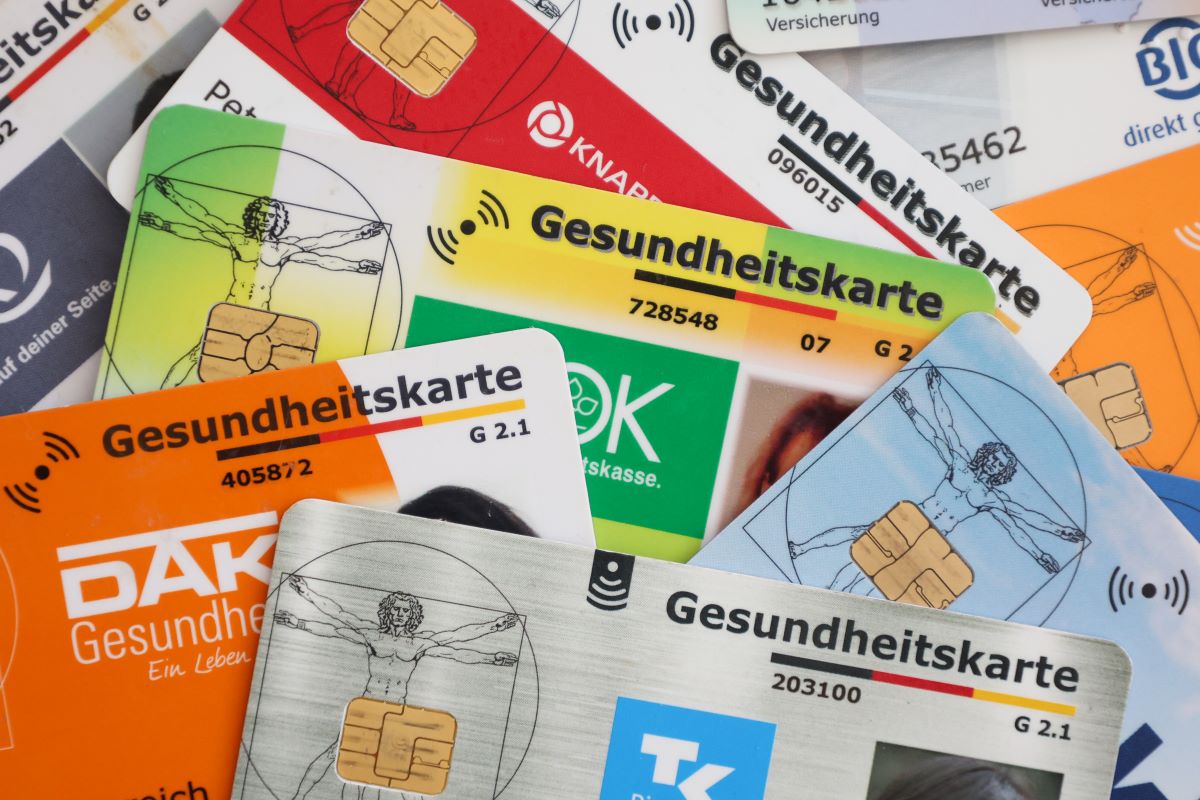
Health experts in Germany have long been saying the statutory health insurance system – known as the GKV or Krankenkasse – is on its knees.
In the last months, various ideas have been put forward to save money and prevent major hikes in contributions, including getting rid of free health insurance for spouses.
Now the Health Ministry has put together a host of austerity measures.
READ ALSO: How to switch German health insurance providers and save money
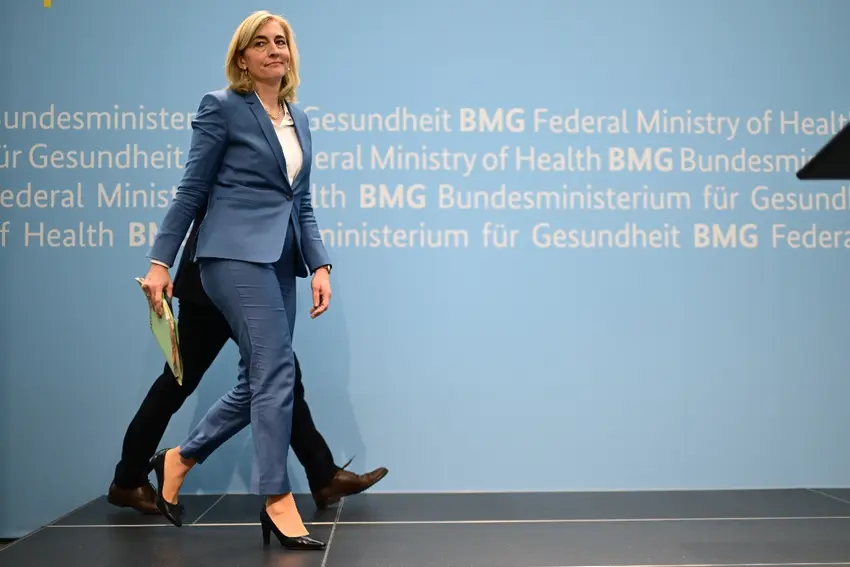
Health Minister Nina Warken, of the Christian Democrats (CDU), said: "It is important to me that this package can close the financial shortfall currently projected up to and including 2030.
Without "decisive countermeasures," she said the statutory health insurance system would face a deficit of €15 billion next year, and as much as €40 billion by 2030.
She said doctors, pharmacies and ordinary residents will have to contribute to the reform.
READ ALSO: How Germany's major health insurance reform will affect you
Cuts to funding for spousal co-insurance
Among the headline proposals are restrictions to the contribution-free co-insurance of spouses. As things stand, spouses without income are automatically co-insured for free through their partner's Krankenkasse.
Warken said she does not want to abolish the insurance completely, but rather "modify" it.
Under the plans, from 2028 spouses will have to make health insurance contributions calculated at 3.5 percent of the main insured person’s income. For those on low and middle incomes, this would mean a lower contribution, Warken said.
Exemptions are likely to apply to parents of children under the age of seven and of children with disabilities, as well as carers and pensioners.
Up to €15 co-payment for medicines
The Health Ministry wants to see patients make higher co-payments for medicines.
Instead of the current €5 - €10 that people typically pay when picking up a prescription medicine or treatment at the pharmacy, that figure will rise to €7.50 - €15 in future.
Services to be cut
Health insurance providers are required to offer certain services to insured patients.
Under the new proposals, the free skin cancer screening offered to people every two years from the age of 35 is set to be axed along with homeopathy treatments, for example.
Mandatory second opinions
Patients will be required to seek a second medical opinion before certain procedures, under the plans. Specifically, this is related to knee operations as these are performed in Germany at a rate higher than the European average.
Warken said this could spare patients from potentially unnecessary knee operations as well as saving money.
Other planned changes
For doctors, payment for certain services is to be removed from the current fee budgets. This is set to apply, for example, to walk-in consultations or the initial creation and updating of patient records.
"We simply cannot spend more money than we take in," said Warken.
Payment for treatments is to be linked more closely than before to "demonstrable benefits", she said.
Pharmacies and hospitals will have to procure medicines through cheaper discount agreements.
Duration of sick pay under scrutiny
There are also plans to make cuts to sick pay. However, Warken said that the question of a shorter period of continued pay or so-called waiting days – during which no pay is initially paid in the event of illness – does not fall within her remit.
She said it is the responsibility of the Labour Ministry.
Tobacco and sugar: raise and introduce taxes?
The tobacco tax will be increased this year, as Chancellor Friedrich Merz has already announced.
The commission for health insurance reform made further proposals for tax increases or the introduction of new taxes.
Health Minister Warken said she is in favour of introducing a sugar tax – a levy on sugar-sweetened drinks such as cola or fizzy drinks.
From a preventive perspective, this would be an important step, according to the CDU minister. However, this is not something she can regulate under the GKV Act.
What happens next?
The proposals are not set in stone. A draft bill is scheduled to go before the Cabinet on April 29th. The law will then have to pass in the Bundestag and Bundesrat.
Comments (2)