

Thursday's top story: Two-day Lufthansa pilot strike begins, hundreds of cancellations expected
A two-day strike by pilots at Lufthansa began on Thursday. The industrial action was expected to cause widespread flight cancellations at Germany’s largest airline, particularly at its main hubs in Frankfurt and Munich.
The airline said it expected to operate at least half of its scheduled flights on both strike days, with up to 60 percent of long-haul services still taking off.
The Vereinigung Cockpit (VC) pilots’ union estimates that around 300 flights per day will be cancelled during the walkout, significantly fewer than during the previous strike in February, when roughly 800 flights were grounded.
Union leader Andreas Pinheiro said the reduced scale was deliberate but would still be sufficient to put pressure on management. Unlike the earlier strike, the cabin crew union UFO is not taking part this time.
READ ALSO: Pilots at Germany's Lufthansa to stage two-day strike
Lufthansa said it is attempting to limit disruption by deploying larger aircraft, using non-striking airlines within the Lufthansa Group and relying on volunteer crews. Affected passengers are being notified directly by email, while flights to the Middle East will not be impacted.
The strike involves more than 5,000 pilots from Lufthansa, Lufthansa Cargo and Lufthansa CityLine. The disputes centre on pay demands at CityLine and pension issues at Lufthansa and Cargo.
Lufthansa’s human resources chief Michael Niggemann criticised the strike as an unnecessary escalation, saying negotiations were still possible.
Germany evacuates diplomatic staff from northern Iraq
Germany has evacuated staff from its consulate in Erbil, northern Iraq, a foreign ministry source told AFP on Wednesday, following similar moves in Baghdad and Tehran amid the Middle East war.
"In view of the risk assessment on the ground, Foreign Minister [Johann] Wadephul has decided to take further measures to protect our personnel in Iraq," the source said.
"Staff at the consulate in Erbil have been temporarily relocated from Iraq."
A ministry spokesman told a press briefing that staff had also been moved from Baghdad in light of the ongoing "threat situation" in the Middle East.
The foreign ministry had already reported that staff from its embassy in Tehran were being relocated to an undisclosed location.
The Middle East war began with US-Israeli strikes on Iran on February 28th and has provoked waves of Iranian retaliatory missile and drone fire.
Iran has targeted Erbil in strikes this week described by state broadcaster IRIB as "the most intense and heaviest since the start of the war".
READ ALSO: Is it still safe to travel to the eastern Mediterranean from Germany?
German parliament speaker pledges Ukraine support on Kyiv visit
Germany's parliament speaker Julia Klöckner stressed Berlin's ongoing support for Ukraine amid the Middle East war during a visit to Kyiv on Wednesday.
"We are not losing sight of you in Ukraine -- on the contrary," Klöckner told the Ukrainian parliament, becoming the first representative of Germany to address the chamber.
"No democracy should become accustomed to a neighbouring state denying its right to exist. That is why we are offering Ukraine political, financial, humanitarian and military support."
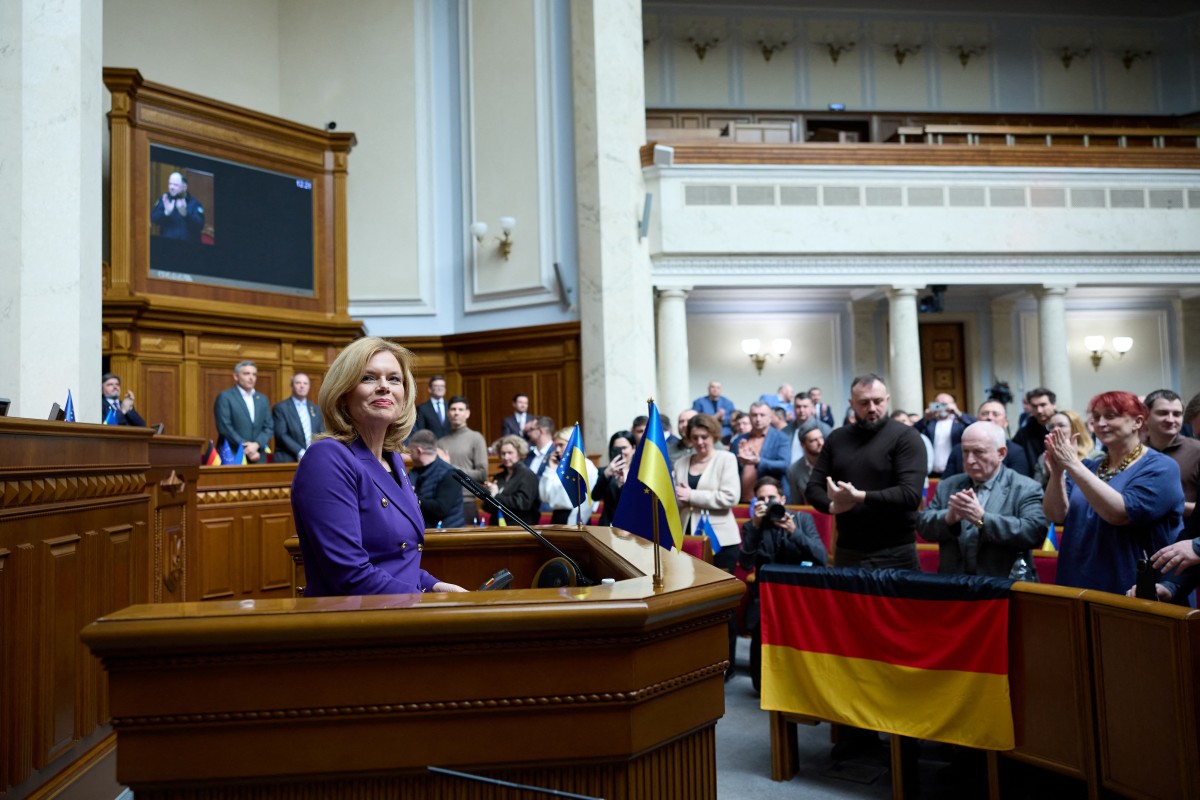
Klöckner, 53, was set to meet President Volodymyr Zelensky during her visit, according to her office.
German politicians have repeatedly called on the international community not to lose sight of Russia's war against Ukraine since the war in the Middle East began.
Since the United States under President Donald Trump scaled back most of its support for Ukraine last year, Germany has become Kyiv's biggest backer and has significantly increased its military aid.
READ ALSO: Germany set to release part of oil reserve amid Mideast war
Hamburg-Berlin railway line set to fully reopen on June 14th after delays
Full rail services between Hamburg and Berlin are set to resume on June 14th, following weeks of delays to a major renovation project on one of Germany’s most important transport corridors.
Deutsche Bahn confirmed on Wednesday that the reopening would come around six weeks later than originally planned, after construction was slowed by prolonged winter frost.
Some relief will arrive earlier for passengers in the north. From May 15th, trains will once again run on the northern section between Hamburg and Hagenow Land, restoring regular regional services towards Schwerin and Rostock.
READ ALSO: Work on Berlin–Hamburg railway delayed for weeks due to winter weather
But commuters in Brandenburg and the Berlin area will continue to rely on replacement buses until mid‑June, while long‑distance trains between Hamburg and Berlin remain diverted, adding around 45 minutes to journey times.
The 280‑kilometre route has been completely closed since August for extensive modernisation work. Deutsche Bahn said frozen ground in January and February prevented excavation for signalling and safety technology and delayed work on overhead lines.
The line is a key commuter and freight route, making the delays particularly controversial. Despite criticism, railway chief Evelyn Palla has defended the project as a necessary part of a wider strategy to modernise Germany’s rail network.
WWII bomb in Dresden defused after city centre evacuation
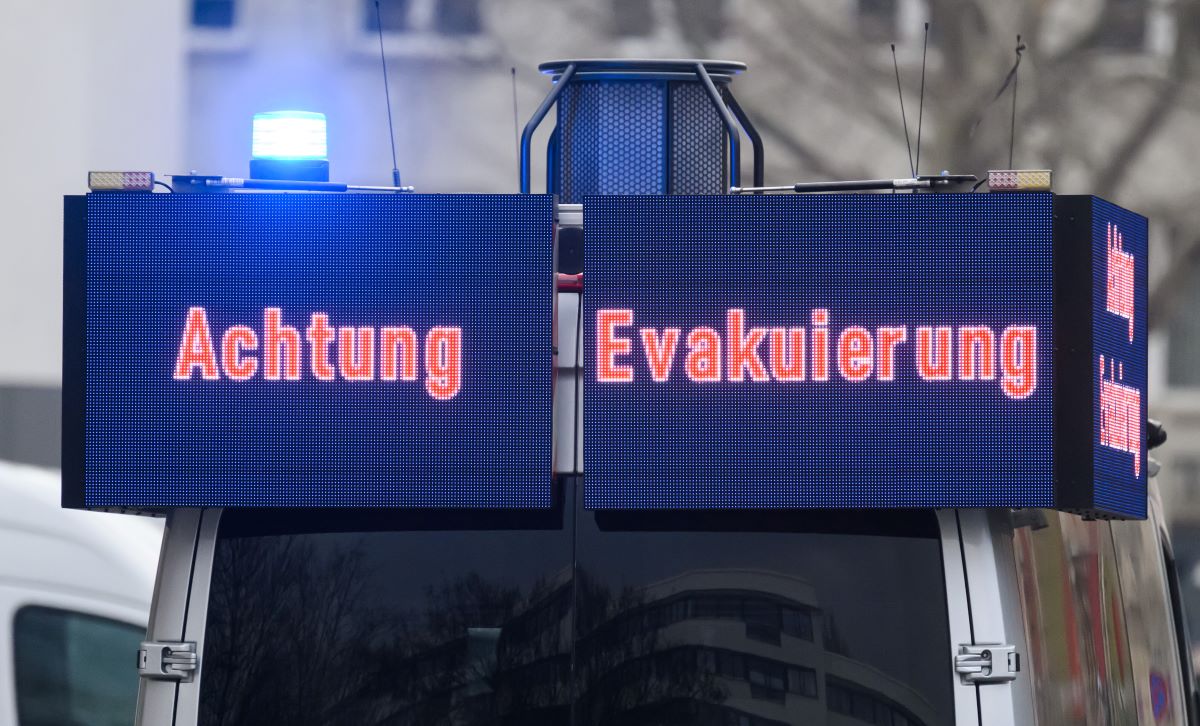
An unexploded World War II bomb was successfully defused in the German city of Dresden on Wednesday, police said, after it caused a huge evacuation operation.
The 250-kilogramme (550-pound) British bomb was found on Tuesday during work in the city centre to rebuild a bridge over the river Elbe that collapsed in 2024.
The discovery caused officials to evacuate 18,000 people on Wednesday, the largest such operation ever in the eastern German city, emergency services said.
More than 400 police along with other emergency services were deployed, backed up by a helicopter and a drone, to check that homes, shops, schools, care homes and offices were empty inside a one-kilometre radius of the device.
READ ALSO: Five surprising things about Dresden, a gem on the Elbe River
Later on Wednesday afternoon, police in the city said the device had been defused.
It said in a statement that bomb disposal specialists "removed the detonator of the bomb at 3:10 pm before exploding it", while the bomb itself was also removed from the site.
World War II bombs were previously found and defused at the bridge site in January and August 2025, with thousands of people affected each time.
With reporting by AFP.
Comments