
Annual inflation in Germany, Europe's top economy, came in at 1.9 percent, according to preliminary data from the Destatis statistics agency, down from 2.1 percent in January.
Analysts surveyed by financial data platform FactSet had expected the indicator to accelerate to 2.2 percent.
Under the "harmonised" metric favoured by the ECB, inflation rose by two percent in February, Destatis said, down from 2.1 percent in January.
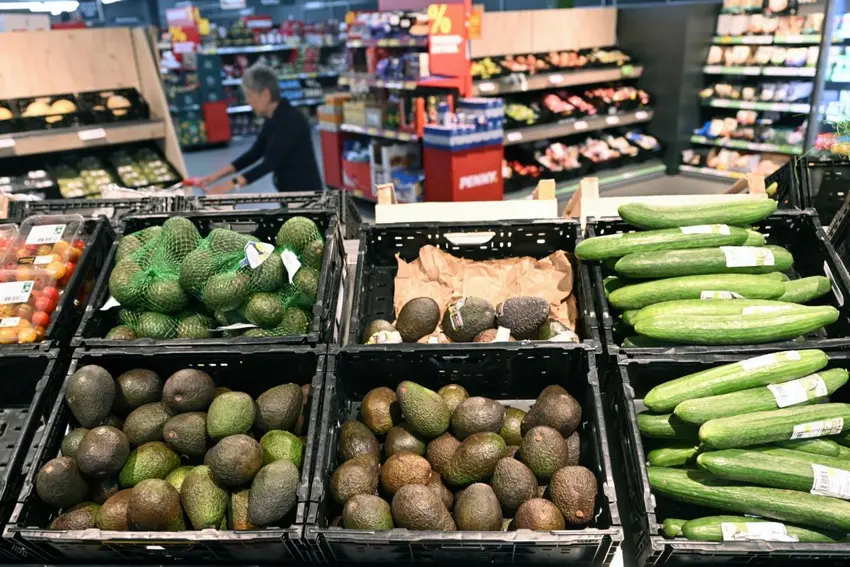
A sharp fall in energy prices and a slowdown in food cost inflation contributed to the lower readings.
"For the ECB, today's German inflation data will not change the course of monetary policy," said ING bank analyst Carsten Brzeski.
The figures confirm that "at least for the time being, inflation no longer tops the list of concerns for European policymakers," he said.
With inflation hovering around its two-percent target, the central bank for the 21-nation single-currency area has kept its benchmark rate on hold at two percent since June last year.
The ECB holds its next rate-setting meeting on March 19th.
Comments