

Moving to a new country comes with many questions, especially when you’re starting or expanding your family.
If you’re an international parent-to-be in Germany, the good news is that country’s statutory health insurance (GKV) offers a comprehensive package of benefits for pregnant women and their families.
Here's a guide on the services covered as standard in Germany – as well as the extras you might be entitled to depending on your specific provider.
The German Mutterpass
The first step after discovering you’re pregnant is to book an appointment with your GP (Hausarzt) or gynaecologist (Frauenarzt) to confirm your pregnancy.
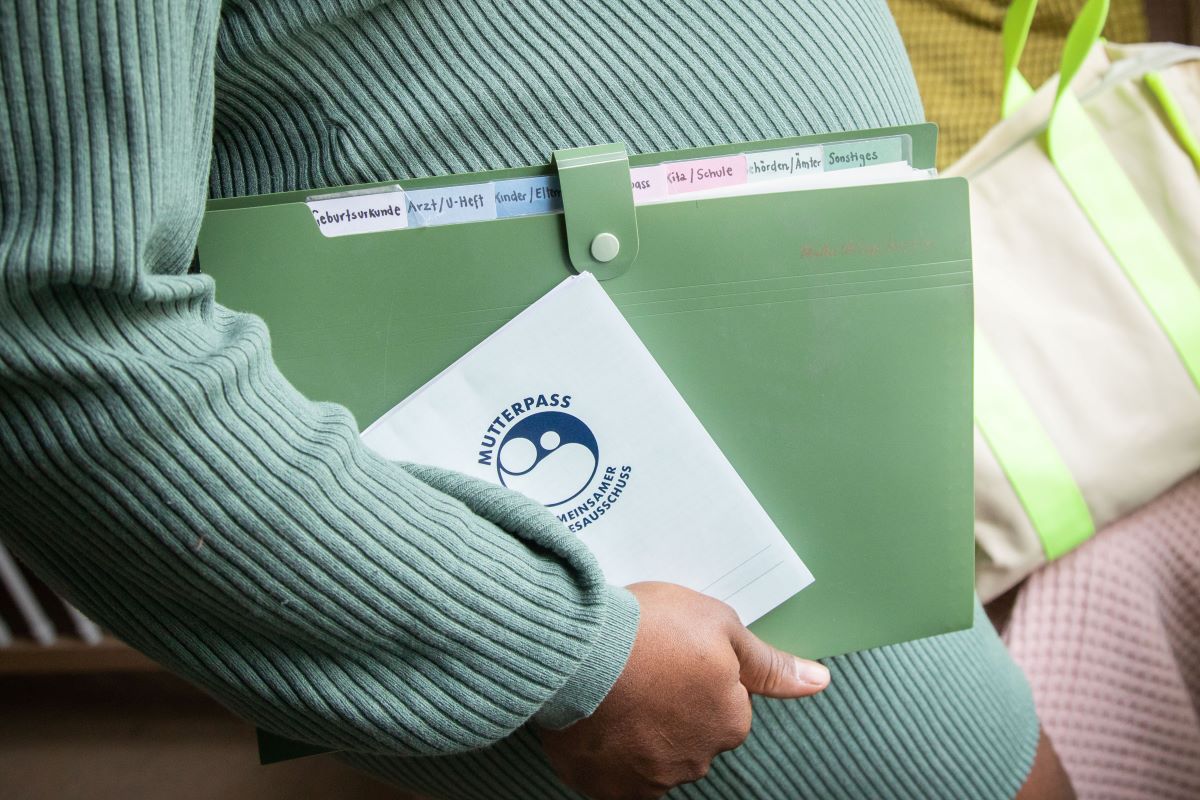
At this appointment, the doctor will give you a maternity book known as a Mutterpass, which is essential for recording all your check-ups and is required to access many services.
It’s also wise to contact your statutory health insurance provider (Krankenkasse) as soon as possible. They can explain your entitlements, provide details about any additional benefits, and guide you through the process for claiming reimbursements.
READ ALSO: What maternity benefits are you entitled to as a freelancer in Germany?
It’s generally a good idea to start looking for a midwife (Hebamme) as soon as possible. Midwives are in high demand in Germany and booking early is the best way to ensure you get the support you need.
And, as is always the case in Germany, make sure you keep hold of all your receipts and documents – you’ll need them more often than you think.
The following benefits are guaranteed by law and available to all pregnant women with statutory health insurance in Germany.
Medical care and check-ups
Once you find out you’re pregnant in Germany, you’ll start a series of regular check-ups with your GP or gynaecologist, including at least three ultrasound scans.
If there are any concerns, your doctor may recommend extra scans or tests which will always be covered if medically justified.
You’ll also have regular blood and urine tests to check your iron and blood sugar levels and find out if you’re carrying any infections that could affect you or your baby – such as rubella or hepatitis B.
Screening for gestational diabetes is also included. This is a simple test that checks how your body is handling sugar, as some women develop diabetes during pregnancy.
READ ALSO: Can I claim parental benefits from Germany if I return home to give birth?
Midwives
In Germany, midwives (Hebamme) play a central role in supporting expectant parents. From the moment you know you’re pregnant, you can reach out to a midwife for advice and reassurance. Midwives are there to answer your questions, help with any worries and guide you through the ups and downs of pregnancy.
Midwives can also play a role during the birth itself. Many parents choose to have their baby in a birthing centre (Geburtshaus), attended by midwives rather than doctors, or even at home if that feels right for them.
After your baby arrives, midwives continue to help by visiting you at home, checking on your recovery, and making sure your baby is thriving.
These home visits can last up to eight weeks, and if you have any difficulties with breastfeeding or other concerns, extra visits can be arranged.
READ ALSO: German word of the day - Wochenbett
Medicines and medical aids
During pregnancy, you might need certain medicines or medical supplies – perhaps for treating an infection, managing pain or supporting your recovery after birth.
As long as these are prescribed for pregnancy, childbirth or the weeks afterwards, your statutory health insurance will cover the full cost.
In practice, this means that if your doctor prescribes you antibiotics, iron supplements or even bandages for postnatal care, you simply collect them from the pharmacy and your insurance will take care of the rest.
Domestic help and home care
Pregnancy and childbirth can sometimes make it difficult to keep up with household chores, especially if you’re recovering from a difficult birth or facing complications. If you find yourself unable to manage your home and there’s no one else in your household who can step in, statutory health insurance can arrange for a helper to support you.
This could mean someone coming in to cook, clean or help with everyday tasks until you’re back on your feet.
If you need medical care but it can be safely provided at home instead of in hospital, your insurance will also cover home nursing.
READ ALSO: How to apply for German citizenship for a baby born in Germany to foreign parents
Inpatient and outpatient delivery
If you opt for a hospital birth, everything from your stay to the care you receive is paid for. If you prefer a birthing centre or home birth, the insurance also covers the midwife’s fees and any necessary supplies.
Maternity allowance
When you’re pregnant and working in Germany, you’re entitled to financial support during the weeks before and after your baby is born.
Statutory health insurance pays up to €13 per day during the protection period (six weeks before and eight weeks after birth), and your employer tops up the rest so you receive your usual net salary.
If your baby arrives early, is part of a multiple birth or has a disability diagnosed soon after birth, this protection period (Mutterschutz) can be extended.
Postnatal care
To assist with postnatal recovery, your statutory health insurer provider will cover up to ten hours of group postnatal exercise classes, which must be completed by the ninth month after the birth.
Additional services
On top of the standard benefits, many health insurance providers in Germany offer a variety of extra services and bonus programmes that can help during pregnancy and the early stages of parenthood.
These extras aren’t the same everywhere, so make sure to find out exactly what’s on offer with your provider.
For example, some statutory insurers offer prevention and health courses covering topics like pregnancy nutrition, exercise and breastfeeding. Some cover the costs of supplements such as folic acid, iodine or iron. And some even offer financial support for dental cleaning during pregnancy.
In addition, if you’d like your partner to join you in birth preparation classes, certain insurers will cover their costs – or even reimburse you for alternative courses like hypnobirthing.
With your doctor’s support, a number of providers will also partly reimburse you for therapies such as acupuncture, particularly if you’re struggling with pregnancy symptoms like nausea, swelling or back pain.
READ ALSO: The words you need to understand Germany’s childcare benefits
After your baby is born
Following the birth, a number of provider offer postnatal exercise classes that go beyond the basic minimum, often with a focus on helping you recover your pelvic floor and core strength.
There are also bonus programmes where you can earn cash rewards or vouchers for taking part in all recommended check-ups and preventive care. For example, you might be eligible for a “baby bonus” or Mamabonus (potentially up to €300) if you attend every scheduled appointment.
Comments