

Inside Germany is our weekly look at some of the news, talking points and gossip in Germany that you might've missed. It’s published each Saturday and members can receive it directly to their inbox by going to their newsletter preferences or adding their email to the sign-up box in this article.
How's that railway overhaul coming?
The shocking railway news was centred in Spain this week, where a series of train wrecks occurred in a matter of days including a deadly high speed collision. But in Germany a criminal case around a deadly train accident that occurred near Garmisch-Partenkirchen took place on Monday.
Two railway employees involved in that case were acquitted by a German court, but the public prosecutor's office has appealed against the acquittal of one of them, claiming he was at fault for not replacing broken railway sleepers sooner.
The dilapidated state of Germany's railway infrastructure is well known to just about everyone, but local authorities in Bavaria make it sound particularly worrisome.
"It's as if the fire brigade were standing in front of a huge fire, without water, and trying to kick it out with their shoes," chairman of the passenger association Pro Bahn for Upper Bavaria told Süddeutsche Zeitung. (It should be noted that they also emphasised train travel is still the safest means of passenger transport by far.)
This all comes as Deutsche Bahn is in the midst of some major railway infrastructure upgrades, focused primarily on the country's busiest routes, which are supposed to help the national railway improve its deplorable reliability record.
But recent reporting by ARD suggests that Chancellor Friedrich Merz's government has quietly cancelled funding for some of the railway upgrades that were planned, including renovations on eastern European connections and a plan to electrify a major route in eastern Germany.
At the same time the government has reportedly shifted more funding toward building new highways. The funding for the railway projects was earmarked in a "special fund".
READ ALSO: Germany's massive infrastructure plans demand more foreign workers
Taken together, these developments appear to confirm some of the major critiques that Merz has faced since he took the reigns of the German government nearly a year ago -- namely that he would undermine Germany's sustainability goals, and also that "special funds", the use of which is not directly overseen by the Bundestag as the federal budget is, could be mis-used by his government.
Photo of the week:
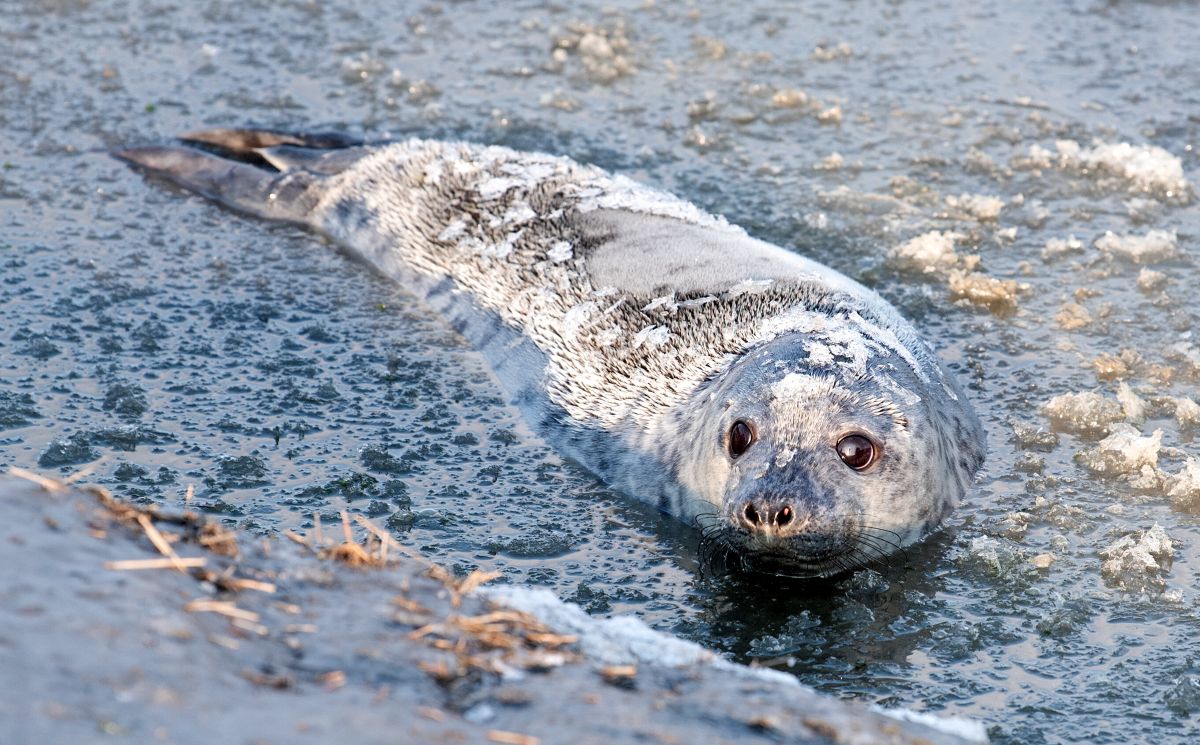
A grey seal named Molly swims in the icy water of the North Sea, having just been release into the wild.
Molly, along with three other seal pups were recently released by the Friedrichskoog seal station in northern Germany.
They were the first to be released this season, but up to 18 more are expected to be released in the coming weeks.
Friedrichskoog takes care of young grey seals that are found in distress, for example if they have been seperated from their mothers too young. Initially, they are given salmon emulsion, followed by herring and other types of fish, and typically released into the wild once they've grown to a weight of around 40 kilograms.
The kids are alright
In a bit of brighter news, anyone seeking reasons to feel optimistic about the future should look no further than Germany’s teenagers, who are busy campaigning this weekend for a more humane education system, and appear to be making thoughtful choices about their own wellbeing and relationships.
This weekend, the 2026 Education Congress takes place at Friedensburg High School in Berlin, an event which brings together around 200 students aged 14 and up from across Germany.
For three days, these young people are set to swap ideas, share experiences and work on solutions to the youth mental health crisis in schools.
READ ALSO: What do children actually learn at school in Germany?
But it’s not just in the classroom that German teens are making changes. Young people are increasingly prioritising stable relationships and delaying sex, according to a nationwide study by the Federal Institute for Public Health (BIÖG) released this week.
When teens do get intimate these days it’s usually within committed relationships, according to the study, and with use of reliable contraception being the norm.
So while the headlines might dwell on uncertainty, Germany’s youth are quietly showing us what hope looks like: campaigning for change, caring for their mental health and building relationships based on trust and respect.
With reporting by Tom Pugh.
Comments