
As Germany ushers in 2026, several confirmed policy changes will directly affect everyday life for residents.
Whether you’re working, raising a family, commuting or simply managing your household budget, these updates could impact your income, expenses and entitlements.
Holidays to start the year
As always, the month (and the year) begin with a public holiday to mark New Year's Day.
Then on the following Tuesday is the Catholic holiday of Epiphany - called Dreikönigstag, or Three King's Day, in German.
Three King's Day is not a national holiday, but it is a public holiday in the states of in Baden-Württemberg, Bavaria and Saxony-Anhalt. Readers in these states can expect most businesses to be closed on the 6th.
Minimum wage and mini-job earnings increase
The statutory minimum wage will rise to €13.90 per hour from the start of the year, benefitting millions of workers across Germany.
Trainees will also see their minimum pay increase, starting at €724 per month in the first year of training and rising to €1,014 by the fourth year according to current plans. These changes are designed to boost incomes for lower earners and young people entering the workforce.
Alongside this, the monthly earnings cap for so-called mini-jobs will increase from €556 to €603. Mini-jobs are especially popular among part-time workers and students, offering flexible employment with simplified tax arrangements.
If you’re working in a mini-job, you’ll be able to earn more without moving into a higher tax bracket.
READ ALSO: The big money and tax changes in Germany you need to know in 2026
Tax-free allowances and child benefits
From January 1st, the basic tax-free allowance – the amount of income you can earn before paying tax – will rise to €12,348. For married couples, this amount is doubled.
Families will also benefit from an increase in the child allowance to €9,756, and monthly child benefit payments will go up by €4 to €259 per child.
These measures are designed to ease the tax burden and provide more support for families and individuals.
Public transport costs rise
If you rely on public transport, be prepared for higher costs.
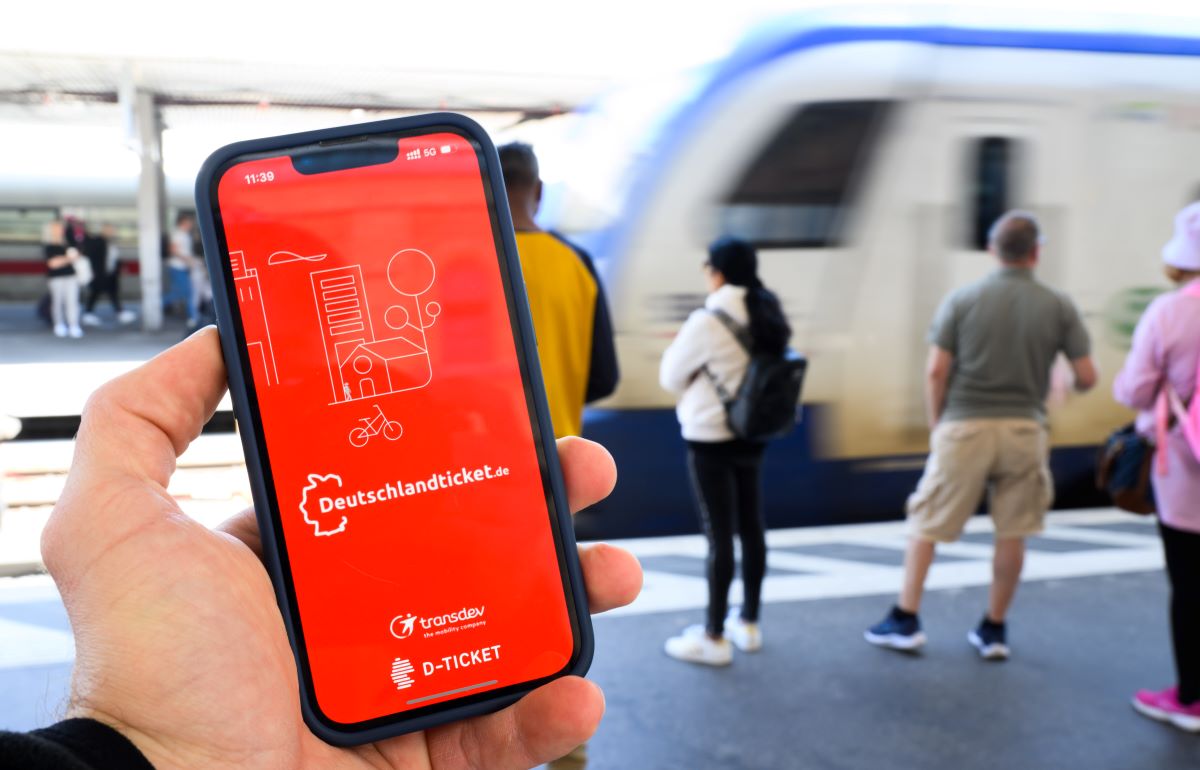
The price of the nationwide Deutschlandticket, which allows unlimited travel on regional and local transport, will increase from €58 to €63 per month from January.
Local and regional fares are also set to rise; for example, in Berlin and Brandenburg, fares will go up by an average of six percent. For the first time, a single journey within Berlin’s S-Bahn ring will cost €4.00, up by 20 cents.
READ ALSO: LISTED - The big changes for travel in Germany in 2026
Commuter allowance boost
The commuter allowance, which helps offset travel costs for work, will be permanently increased to 38 cents per kilometre from the first kilometre from January 1st.
Previously, the higher rate only applied from the 21st kilometre onwards. This change means more substantial tax relief for those who drive to work, potentially saving hundreds of euros annually.
Gas storage surcharge to be abolished
Households will see some relief on energy bills as the gas storage surcharge – which can cost up to €60 per year – is eliminated.
While this should reduce costs for gas customers, final prices may not fall automatically, as other factors also influence energy bills. The government’s broader energy bill relief package may also result in further savings, depending on market conditions and consumer choices.
READ ALSO: Heating subsidies to remain as concerns grow over Germany's soaring energy costs
Social security contributions rise for high earners
For those earning higher salaries, the ceiling for statutory pension insurance will likely be due on monthly incomes up to €8,450 per month from January 1st, and for health and long-term care insurance to €5,812.50 per month.
Only income up to these limits will be subject to contributions, meaning higher earners will pay more into the system.
Active pension scheme for retirees
From January, retired employees will be allowed to earn up to €2,000 per month tax-free under the new “active pension” scheme.
This benefit does not apply to the self-employed, freelancers, mini-jobbers or civil servants according to current plans but should come as a welcome change for others looking to supplement their retirement income without paying additional tax.
READ ALSO: The planned changes to immigration and citizenship in Germany in 2026
EU Blue Card salary requirements increase
If you’re a skilled professional seeking an EU Blue Card, the minimum gross annual salary required will rise to €50,700 in January.
For those in bottleneck professions – such as IT, STEM, construction, or education – the threshold will be €45,934.20.
Military Service questionnaires
Another change that specifically affects German citizens (not people from other countries) is that all 18-year-old German men and women will receive a questionnaire at the start of 2026 to assess their suitability and motivation for the German Armed Forces.
The questionnaire is mandatory for men and voluntary for women. In a second phase, from July 1st 2027, all 18-year-old German men will also be required to undergo a mandatory medical examination, even if they do not opt for voluntary military service.
Comments