
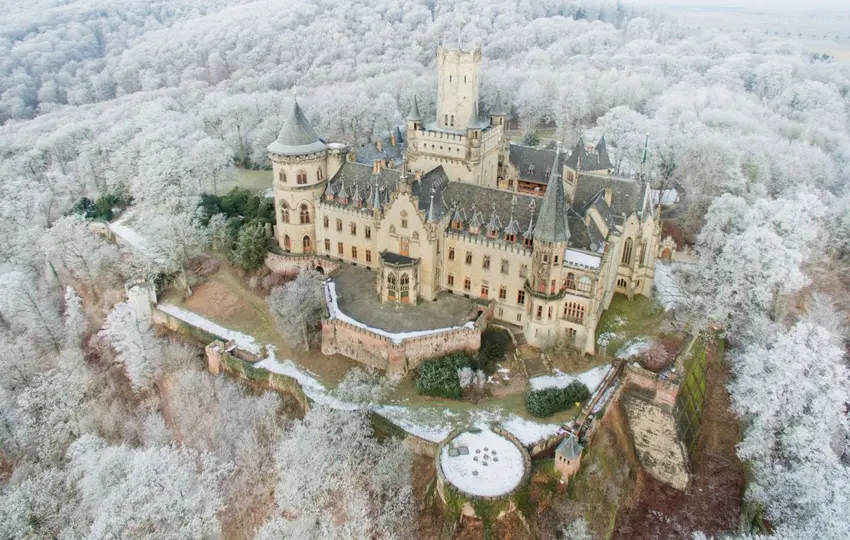
Inside Germany is our weekly look at some of the news, talking points and gossip in Germany that you might've missed. It’s published each Saturday and members can receive it directly to their inbox by going to their newsletter preferences or adding their email to the sign-up box in this article.
Lawmakers in the Bundestag gave their final approval to the government's 2026 budget on Friday, which includes net new federal borrowing of about €98 billion as part of a total budget of nearly €525 billion.
Meanwhile, another budgetary issue has been bubbling under the surface, and it's one that brings direct impacts for just about everyone who currently lives in Germany. That is the issue of increasingly thin, if not already indebted, city budgets at a large number of municipalities across the country.
German cities overall have seen their revenues decrease and expenses increase for a number of years, and it's pushing municipal budgets to breaking point.
In many cases cities end up on the hook to pay for decisions made by the German federal government. For example, according to the German Economic Institute (IW), expanded legal entitlements to childcare and social welfare have pushed the share of these benefits in city budgets from around 25 percent in 1992 to almost 38 percent in 2022. At the same time, administrative costs have risen sharply.
The ultimate price is that there is less budget left over for road construction and repair or basic services like sewage and waste disposal.
Cities are then left to decide where they will cut budgets – such as Berlin’s highly unpopular decision to slash its cultural budget last year.
Alternatively, cities can also try to find new ways of increasing their tax revenue. Stuttgart, for example, looks poised to double its residents’ yearly parking permit; from €30 to €60 per year, according to a report by Tagesschau. (The city has until December 19th to finalise its budget plan for the coming year.)
Meanwhile in Munich, local leaders will need to rethink at least part of the city’s revenue stream after a Bavarian court confirmed that a state-wide ban on hotel taxes was legal.
What are the German kids watching?
"Maxton Hall - The World Between Us" (original title Maxton Hall — Die Welt zwischen uns) is a German TV series, about teen students at a fictional elite boarding school in England, that has risen to the top of the charts in Germany as well as the US, the UK and elsewhere.
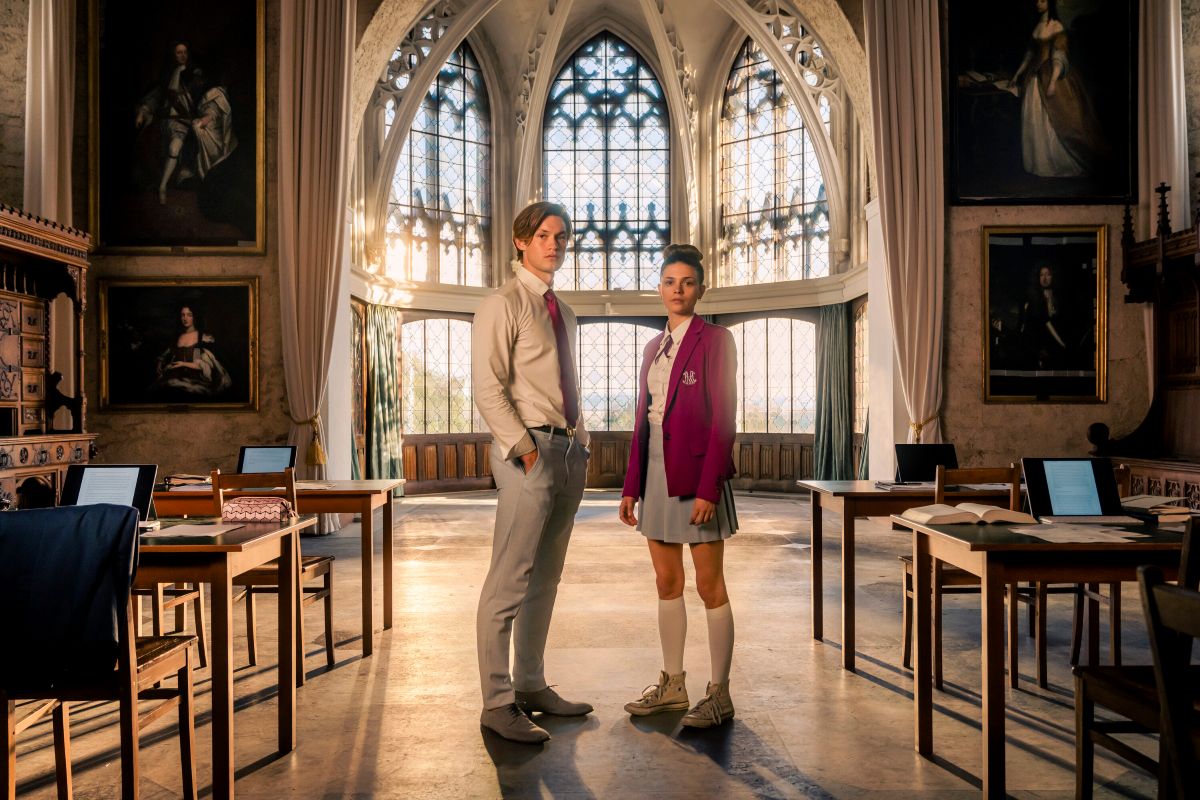
The series was filmed at Marienburg Castle near Hanover, as well as other locations in Germany, including in Potsdam.
The doors of Marienburg were to be opened to fans on the next couple of weekends, but the castle was immediately so overrun by visitors that subsequent dates have now been cancelled.
The chairman of the castle's foundation told Der Spiegel instead of the 400 people that they had expected, about 6,000 people came last Sunday alone.
The castle has been closed to visitors for some time, pending ongoing renovation work after dry rot was discovered in its roof. Interestingly, the castle had also made headlines in 2019 when Ernst August junior said that he wanted to sell it to the public sector for just €1, against the will of his father Ernst August senior.
Where is this?
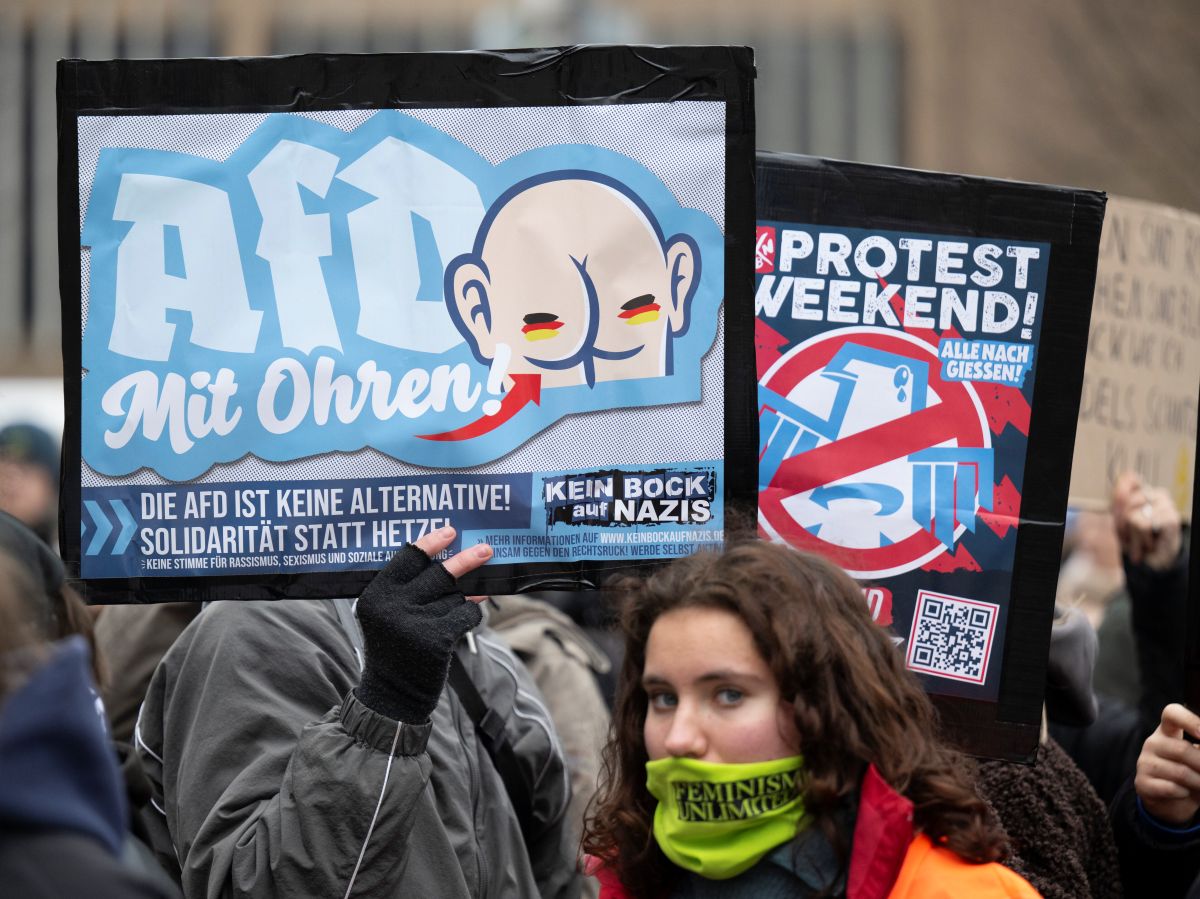
Admittedly, the above photo doesn't have much in the way of visual cues that might tip you off as to where it was taken.
But readers who follow a bit of German news themselves, or read our news roundup on Friday, will be aware that massive demonstrations against the Alternative for Germany (AfD) and it's far right politics are taking place in the Hessian city of Giessen this weekend.
The demos have been organised in response to an AfD event where its new youth organisation is to be founded. The former AfD youth organization, known as the "Young Alternative", was dissolved in the spring. It had been classified by the Office for the Protection of the Constitution as right-wing extremist.
So far, the AfD has existed as a loud but politically irrelevant force, at least at the federal level. With no real chance of being invited into a governing coalition, they basically stood on the side lines of parliament spewing populist takes.
But in recent polls, the anti-immigration party has overtaken the CDU as Germany's leading political force. So, unfortunately, it may soon be time to look a bit more seriously at what the party actually wants to do.
READ ALSO: Germany's Merz calls far-right AfD 'main opponent' in next elections
To that end, AfD co-leader Alice Weidel addressed the Bundestag this week to promote her platform, calling for; stopping the energy transition, returning to nuclear power, importing further gas and oil from Russia, making Germany 'for the Germans', and cutting state spending.
As one Der Spiegel columnist put it: "Anyone who implemented this would turn the world’s third-largest economy into a junior partner to Russia, redistribute wealth from the bottom up, and leave future generations with virtually insurmountable problems..."
With reporting by Tom Pugh.
Comments