
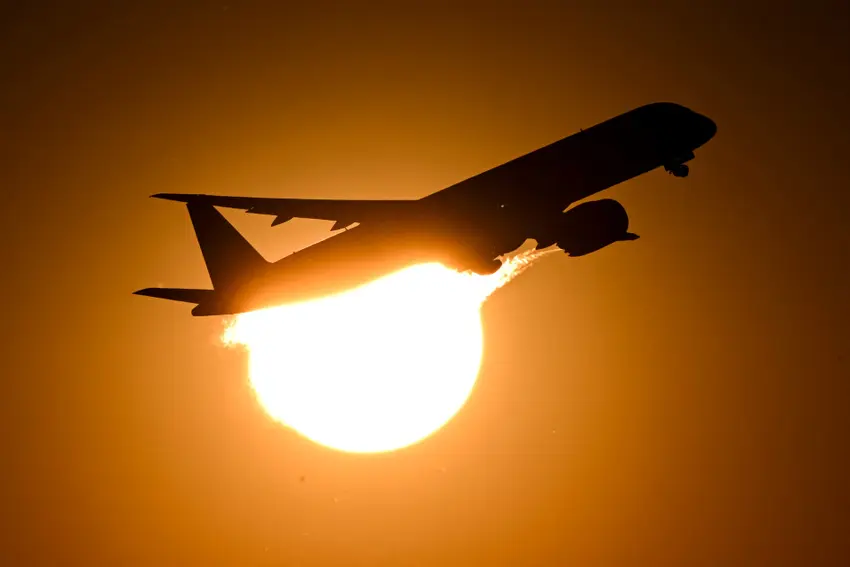
The German government has said it plans to reverse an increase in aviation taxes which came into force last year in a bid to support the industry.
The tax cut comes as part of a broader effort to boost the German economy. Other significant measures include a subsidy for electricity costs for companies, and a plan to construct a number of new gas-fired power plants.
The air traffic tax cuts may be expected to modestly affect the price of passenger tickets, although under current plans it will be up to the airlines themselves to decide whether to pass the savings on to passengers.
The plan was of course welcomed by the aviation industry, but has also been criticised by the environment protection association BUND and others for encouraging air travel over more sustainable alternatives.
Air traffic ticket tax
Chancellor Friedrich Merz announced the plan to reduce the airline ticket tax as of July 1st, 2026. According to the chancellor, the tax cut will cost Germany around €350 million in tax revenue annually.
Tax losses are to be booked in the transport budget.
Also, air traffic control costs are to be reduced in 2026, rather than increased as may have otherwise been expected.
This tax cut aims to reverse the significant increase made in May 2024, which had raised flight costs. At that time, the traffic light coalition government had hiked the air traffic ticket tax to €15.53 for short-haul flights, €39.34 for medium-haul flights (up to 6,000 kilometres) and €70.83 for the longest flights from German airports.
The air traffic tax was originally introduced in 2011, under the then black-yellow government with Angela Merkel at the helm.
Many European countries have some form of aviation passenger tax in effect. The Netherlands air passenger tax, implemented in 2021 is among the highest, costing €29.05 per person in 2024, regardless of the destination. Italy has one of the more impressive ranges of taxes, with the rate being €10 per passenger for very short 100 kilometre flights, and up to €200 per passenger for distances over 1,400 kilometres.
Cancelled flights
Germany's aviation industry and several airlines were among the loudest critics of the air traffic ticket tax increase.
At that time Ryanair's marketing chief made headlines in the German press saying the country "lacked a sensible airline policy". A spokesperson for EasyJet echoed that sentiment in comments to The Local, noting that Berlin was "among the most expensive airports [they] operated from”.
Shortly after the tax increase took effect, Ryanair announced plans to cut several flights to and from the Berlin airport. Recently Ryanair announced even more aggressive flight cuts to Germany, dropping 24 routes across nine different airports.
Germany's flag carrier airline Lufthansa made a similar announcement.
Ryanair representatives always pair their service cut announcements with criticism of Germany's high aviation taxes, but it's worth noting that Europe's largest budget airline has been pulling the same tricks in countries across the continent; including Austria, Denmark, Spain, Italy and France.
READ ALSO:
- Where in Europe is Ryanair scrapping flights this year?
- Europe travel news - Ryanair scraps paper boarding passes this week
Meanwhile, Ryanair's profits have continued to grow each year.
Merz's deplorable climate record
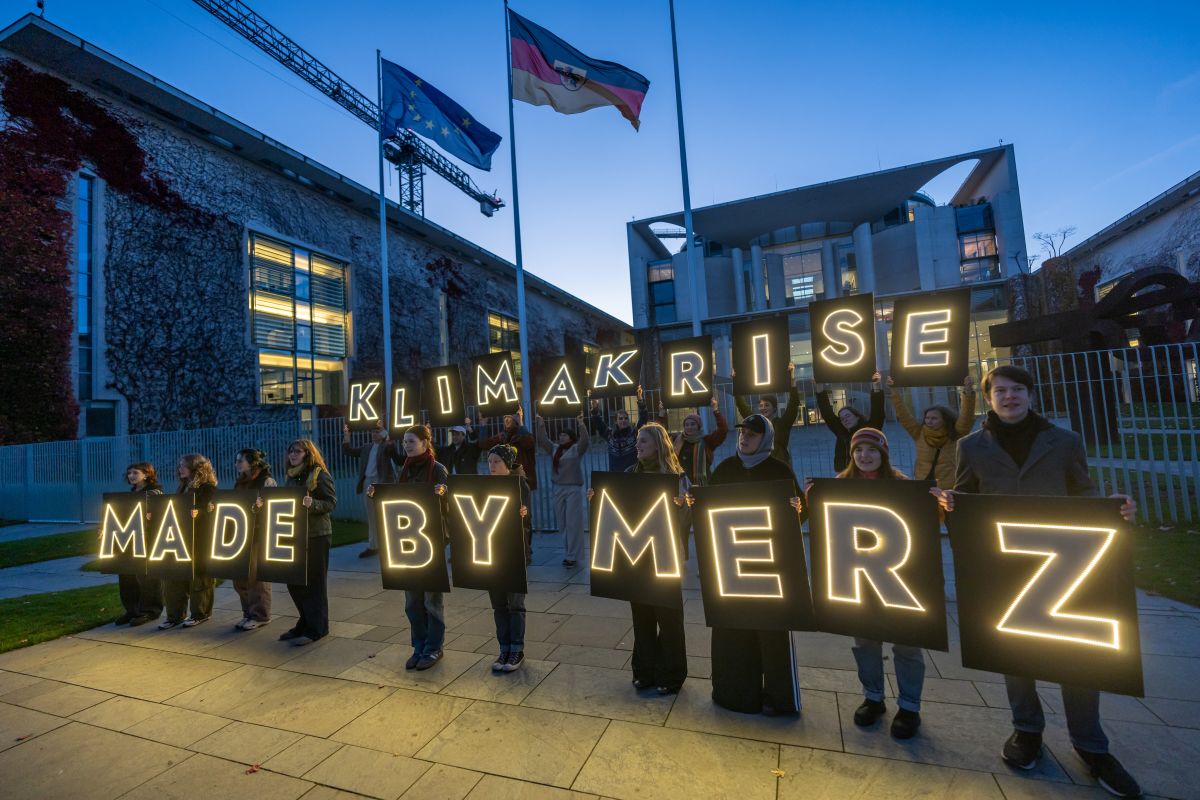
The Green party, as well as multiple environmental groups, have been quick to criticise the tax cut, arguing it conflicts with the country's climate goals and encourages air travel over more sustainable transport options like rail.
The transport expert of the environmental protection association BUND, Jens Hilgenberg, criticised: "The reduction in the aviation tax shows that climate protection in transport is not a high priority for the coalition..."
"Once again, the chancellor proves his keen sense for explosive backward politics. We are all paying the price for this," said Luisa Neubauer, a leading Fridays for Future activist in Germany.
Airlines aren’t charged VAT or a kerosene tax when they fly between many European destinations today.
When the same journey is made by train, rail companies are charged both, which is one reason why train tickets are often more expensive than comparable journeys by air, which require more fuel and emit significantly more greenhouse gases.
READ ALSO: Berlin-Paris sleeper train rescued after service was scrapped to cut costs
Comments