
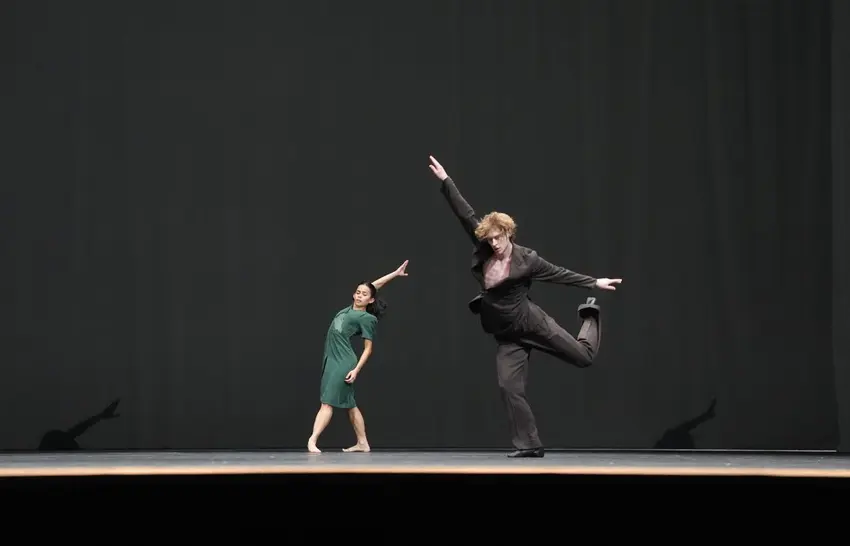
Exploring Germany’s intangible cultural heritage is a unique way to feel at home and take part in the country’s ongoing story.
The term refers to the practices, knowledge, and expressions that people are determined to keep alive, from forms of music and dance to crafts and social customs.
Engaging with Germany’s living traditions is more than cultural sightseeing. Whenever newcomers join a local dance class, attend a tea ceremony, or learn about these practices they become part of the story.
Germany’s UNESCO-recognised traditions
UNESCO’s Intangible Cultural Heritage list celebrates these traditions worldwide, shining a spotlight on their importance and helping communities preserve them for the future.
Germany contributes ten cultural practices to UNESCO’s prestigious list, with several recognized in partnership with neighbouring countries.
- Handmade glass production (2023): Centuries-old craftsmanship meets creative design in Germany’s artisanal glassmaking - a tradition admired around the world.
- Midwifery (2023): Midwives in Germany carry vital knowledge and skills, supporting families and empowering women during childbirth.
- Traditional irrigation (2023): Ingenious water management techniques sustain rural communities and protect the environment.
- Modern dance (2022): Germany’s modern dance scene is a hub of artistic innovation, well-known for its determination to spark debate.
- Organ craftsmanship and music (2017): The building and playing of pipe organs is a cornerstone of European musical heritage, blending technical mastery with artistic flair.
- Cooperatives (2016): Germany’s tradition of organizing shared interests in cooperatives fosters solidarity and shapes social life.
READ ALSO: 'Meat drowned in sauce' - Germany's biggest food culture shocks for foreigners
Shared heritage across borders
Many traditions cross national boundaries, reflecting shared histories and cultures.
Germany collaborates with many of its neighbours to safeguard these practices and promote intercultural understanding.
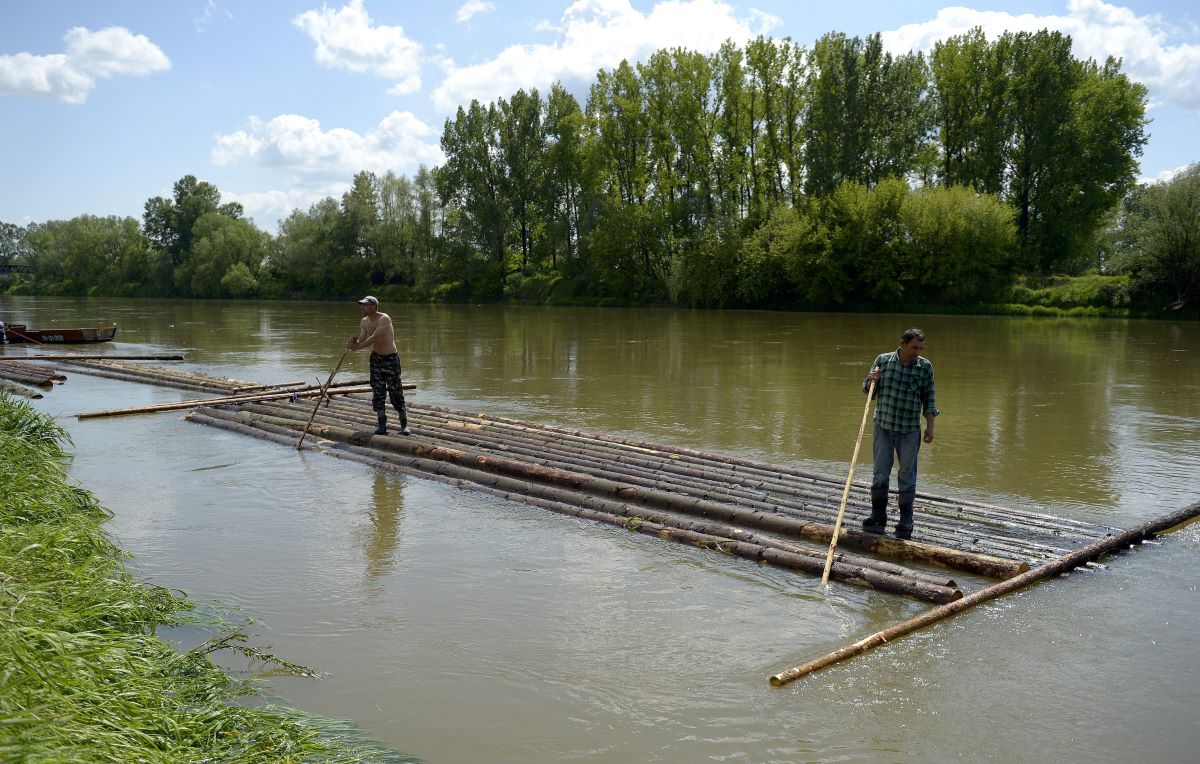
The UNESCO intangible cultural heritage list recognises Germany’s role in developing and preserving four practices, in partnership with other countries.
- Timber rafting: Once vital for European forestry, this tradition is celebrated with Latvia, Austria, Poland, Spain, and the Czech Republic.
- Falconry: Practiced with ecological respect, falconry is a living heritage practice shared with more than 20 countries.
- Cathedral workshops (Bauhütten): Medieval craft techniques essential for maintaining cathedrals, recognized along with France, Norway, and Switzerland.
- Indigo dyeing: A beautiful textile craft, jointly listed with Austria, Slovakia, the Czech Republic, and Hungary.
Germany’s national inventory
Beyond the international lists, Germany also maintains a national intangible cultural heritage inventory, featuring over 130 entries.
This diverse collection includes cultural practices ranging from the East Frisian Tea Ceremony – a symbol of hospitality and community in northern Germany – to the country’s rap and hip-hop scene.
READ ALSO: An essential survival guide for tea drinkers in Germany
Comments