
Possible strikes
Passengers may face disruption this month if a strike by Lufthansa pilots is called.
On September 30th, the Vereinigung Cockpit union confirmed that a majority of pilots at Lufthansa voted in favour of strike action.
In total, 88 percent of Lufthansa pilots and 96 percent of Lufthansa Cargo pilots supported strikes.
At the moment it isn't clear when and whether a strike will be called. However, if talks continue to fail between the employer and union, industrial action will be stepped up.
Plenty of people are travelling this month as the German autumn school break gets underway.
Previous strikes have seen almost all Lufthansa flights cancelled.
READ ALSO: Pilots strike expected at German national carrier Lufthansa
New EU passport checks
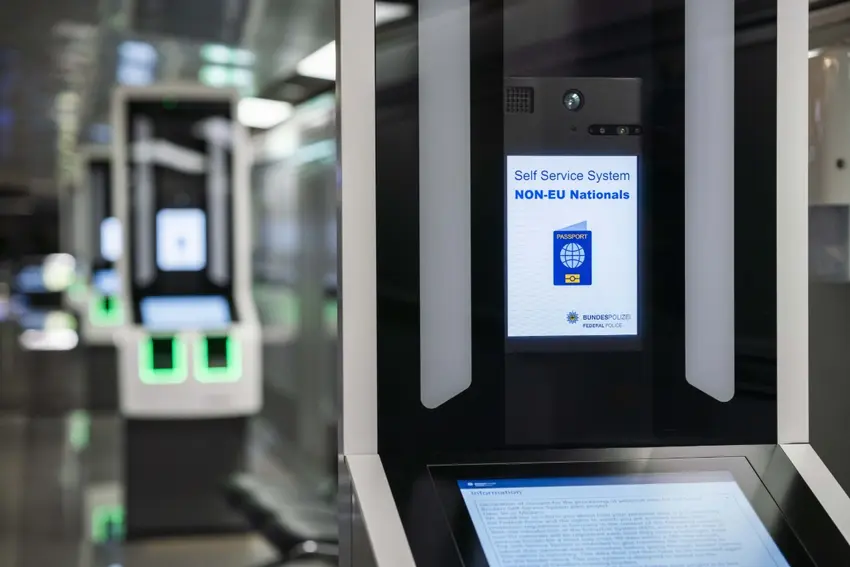
The EU's long-delayed Entry and Exit System (EES) is finally set to come into force from October 12th.
The new biometric border control scheme, which involves taking fingerprints and facial scans from non-EU travellers, will gradually replace the current system of manual passport stamps.
The EU has asked each country to have at least one point of entry operating EES checks from October 12th.
In Germany, Düsseldorf is set to be the first airport to roll it out. Frankfurt and Munich airports will follow in the weeks after. All German airports will have the system in place by April 9th next year.
Travellers from outside the EU or Schengen Area – including the UK, US and Canada – will have to use the new system.
EU and Schengen nationals are exempt, as well as non-EU residents living in Germany and other Schengen zone countries. However, they may still be impacted by extra queues at airports during the transition period.
The system will only be used on the Schengen area's external borders - so you won’t encounter it for travel between Germany and Spain but you will if you fly into Germany from India, for example.
READ ALSO: What you need to know about the start of EES checks at German airports
New flight routes
A number of new flights are being added to timetables at German airports this autumn and winter season.
Among them are a direct service operated by Lufthansa City to Catania in Sicily from Munich and to Alicante in Spain in October (also from Munich).
Later in October, Transavia France will launch direct flights to Agadir and Marrakesh, Morocco, from Berlin, as well as a connection to Marsa Alam, Egypt.
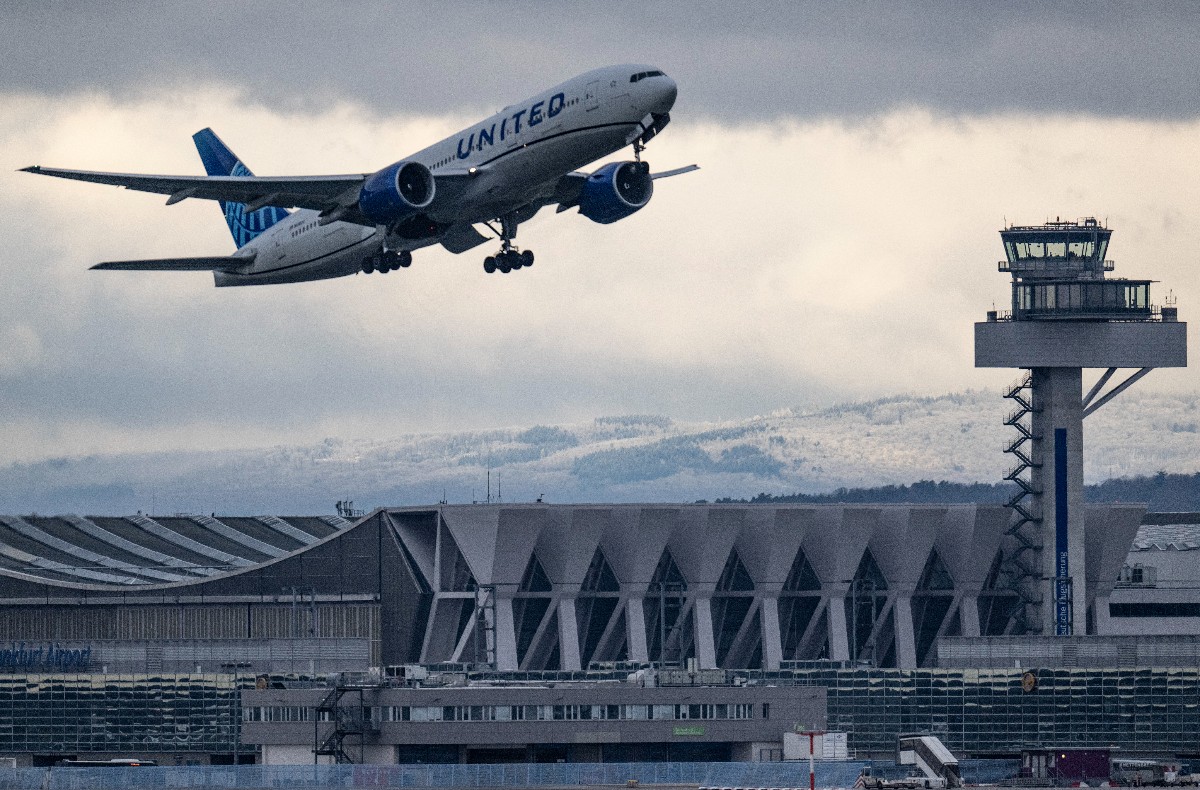
And in November, also from the German capital, Delta Airlines is launching a direct flight to Atlanta in the United States for a limited-time and budget airline EasyJet is offering a connection to Southend, UK.
READ ALSO: The new flights to and from Germany in autumn 2025
Train disruption and changes
Rail passengers travelling between Hamburg and Berlin will continue to see disruption this autumn and winter.
The Berlin–Hamburg line, which is one of Germany’s busiest intercity connections, is undergoing renovation work until April 30th 2026.
During much of this time, the tracks will be closed. Depending on the work, those travelling on this line can expect delays of around 45 minutes to an hour. It will mean the journey could take up to three hours.
Deutsche Bahn is renewing more than 180 kilometres of track and 200 switches in the upgrade.
Looking ahead to winter, there's bad news for night train connections between Paris and Berlin, and Paris and Vienna: they are set to be axed in mid-December.
Austrian rail operator ÖBB said the decision to scrap the services was because the French government had withdrawn its financial support.
Campaign against phone use while driving
Police in Germany have launched a Kontrollwoche (week of checks) against drivers who use their mobile phone while driving as part of a Europe-wide initiative.
Running until October 12th, local officers are stopping drivers caught texting or looking at their phone or iPad while behind the wheel.
“If you look at your smartphone for just one second while driving at 50 km/h in city traffic, for example, you cover a distance of 14 meters blind,” said a spokesperson from the Rheinpfalz police headquarters at the start of the campaign.
Using a phone while behind the wheel can lead to a €100 fine in Germany.
The aim of the campaign is to reduce the number of people seriously injured or killed in traffic accidents on Europe's roads.
Free car safety checks
Starting this month, people who own a vehicle in Germany can get a free annual Light and Vision Test at participating car repair shops.
The initiative is part of a voluntary safety campaign organised by the German Motor Trade Association (ZDK).
The test also includes a general safety check. The service is free of charge, and minor lighting defects, such as a burned-out bulb, will be repaired immediately at no cost to the vehicle owner (excluding the cost of replacement parts).
READ ALSO: The essential vocab you need for driving in Germany
Deadline for changing car insurance
If your car insurance is set to renew on January 1st, 2026, you generally have until November 30th to switch to a cheaper provider for next year.
However, keep in mind that if your current insurer is raising their premiums for next year, you get a bit of extra time. Under special cancellation rules, customers have a month to cancel from the time they receive notice of the price increase.
According to motorists' association ADAC, car owners should consider what coverage is offered as well as the price of the insurance when making the switch.
Comments