
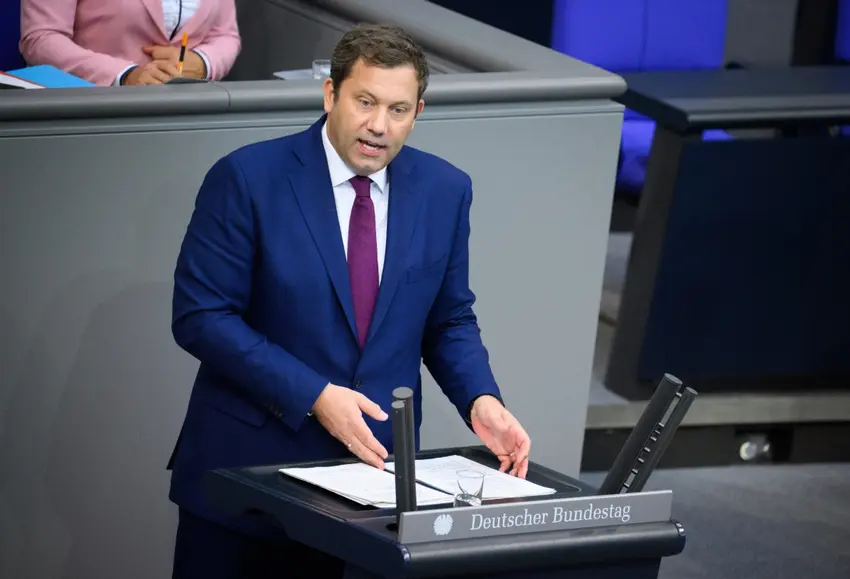
Wednesday's top story: Finance Minister announces record investment – but warns of difficult times ahead
German Finance Minister Lars Klingbeil has announced record investments of €126.7 billion next year.
The government wants to use the money to ensure more economic growth, competitiveness and to secure jobs, said the Social Democrat (SPD) leader when presenting his draft for the 2026 budget to the Bundestag on Tuesday.
Klingbeil said Germany will renovate what "has been neglected for years," especially when it comes to infrastructure. “We will not use the investments from the special funds to plug holes in the budget," he vowed.
But he warned that the government would have to make tough decisions in the coming years to find savings.
"We all know that reforms are long overdue: in bureaucracy, in the welfare state, in the economy," said the Finance Minister.
He called on all ministers to “start saving now.”
READ ALSO: What Germany plans to spend money on in 2026
Germany probes further damage to railway cables
German authorities on Tuesday reported two more cases of cables on railways being damaged after a similar incident the previous day prompted fears of possible sabotage.
Cables were damaged on Monday near Herzogenrath and on Tuesday in Heinsberg, according to a statement by police and prosecutors in nearby Aachen.
Officers specialising in responding to politically motivated crimes are investigating "whether the incidents are related", added the statement.
The incidents came after police said Monday they were investigating a possible "political motive" in a separate incident in the same western region after some cables were cut between Cologne and Düsseldorf.
The Cologne incident caused considerable disruption to services in the region, police there said.
Germany is on high alert for sabotage from Russia and has also suffered a series of attacks targeting infrastructure claimed by left-wing activists.
READ ALSO: German rail operator blames sabotage for third fire in two days
Contacted by AFP, rail operator Deutsche Bahn said it could not comment on a possible motive for the incidents either but was taking increased security precautions on the network.
Some 4,500 security staff and 6,000 police officers have been deployed across the network nationally, the company said.
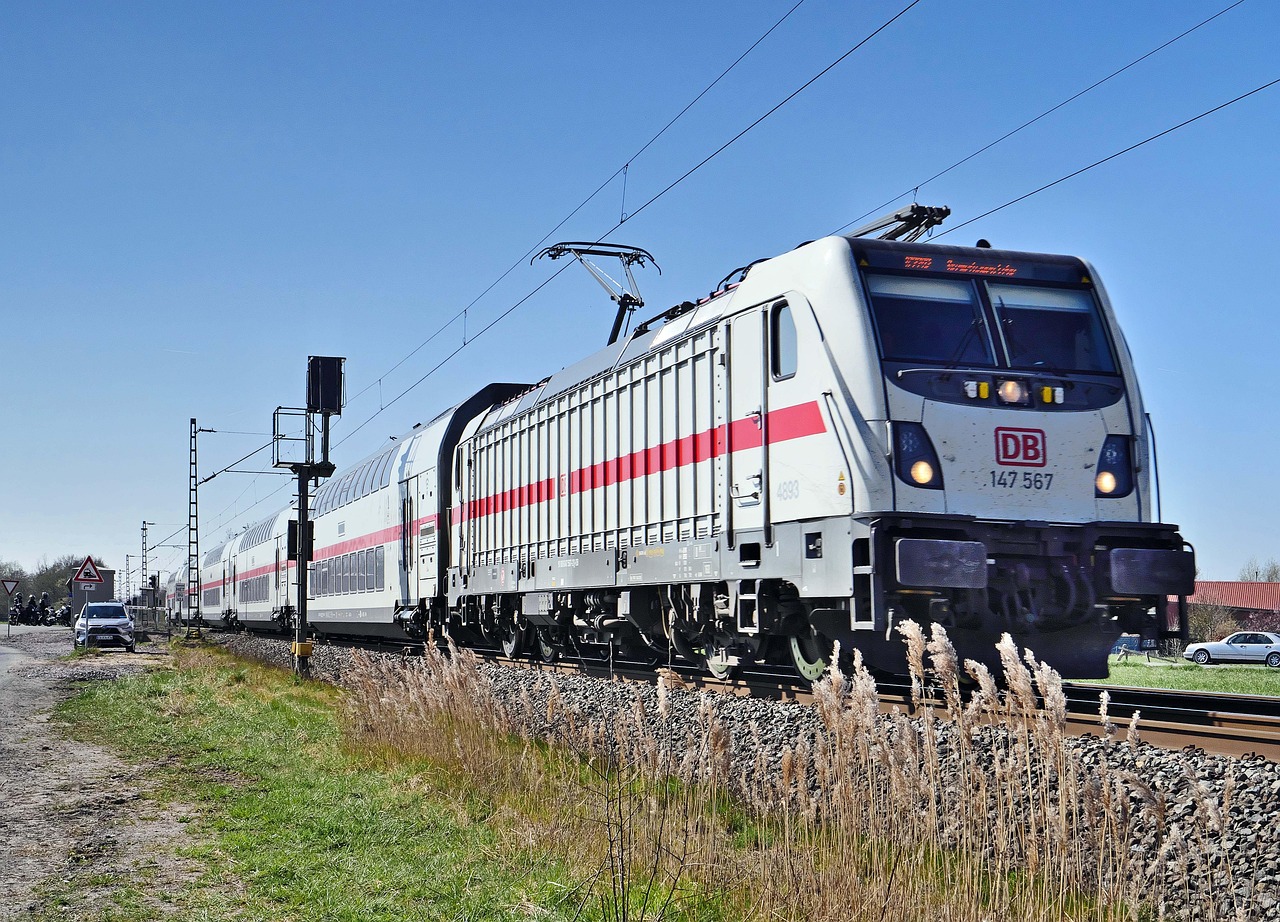
"By the end of 2025, DB will have hired 280 additional employees... to ensure the protection of lines, facilities and buildings," it said.
Last week a report co-authored by the domestic intelligence agency found that the costs to German businesses from cyberattacks and sabotage, mainly from Russia and China, topped €289 billion over the past 12 months.
Are tenants allowed to sublet for profit in Germany?
Germany’s Federal Court of Justice (BGH) is reviewing Wednesday whether landlords are entitled to terminate leases when tenants sublet for profit, and whether charging well above the standard local rent is enough grounds for eviction.
The case began when a Berlin tenant was taken to court by his landlady after subletting his apartment for more than double his own rent – €962 was charged to subtenants, compared to the €460 he paid.
During the period in question, he did not have his landlady’s permission to sublet and she did not share in the financial gain.
The case, which has drawn attention due to Berlin’s tense housing market, spotlights gaps in regulation: there are currently no firm rules on how much extra may be charged for furnishings or what constitutes an “appropriate” subletting surcharge.
The Berlin court which originally handled the case ruled that the landlord is not obliged to permit profit-making sublets, particularly when they breach rental price cap laws (Mietpreisbremse).
The tenant contends that the surcharge reflected high-quality fittings and that clearer legal standards are needed. The BGH decision is expected to have wider implications for rental law and subletting practices in Germany.
READ ALSO: How to sublet your apartment in Germany
Mayor says ministries should fully relocate from Bonn to Berlin
Berlin mayor Kai Wegner, of the CDU, has ruffled feathers by saying that all government departments should relocate to Berlin from Bonn.
Bonn, which was capital of West Germany from 1949 to 1990, is home to around a third of ministerial jobs.
Now Wegner says these jobs should be transferred to Berlin, which regained its capital status after German reunification.
He says the move makes sense because the 20,000 annual business trips made by officials between Bonn and Berlin are expensive and bad for the environment.
Plus, Wegner argues, many colleagues in Bonn would prefer to move to the trendy capital anyway. "Young people go to Berlin if they want career opportunities," Wegner told local broadcaster rbb24. That is why a "complete move” must take place.
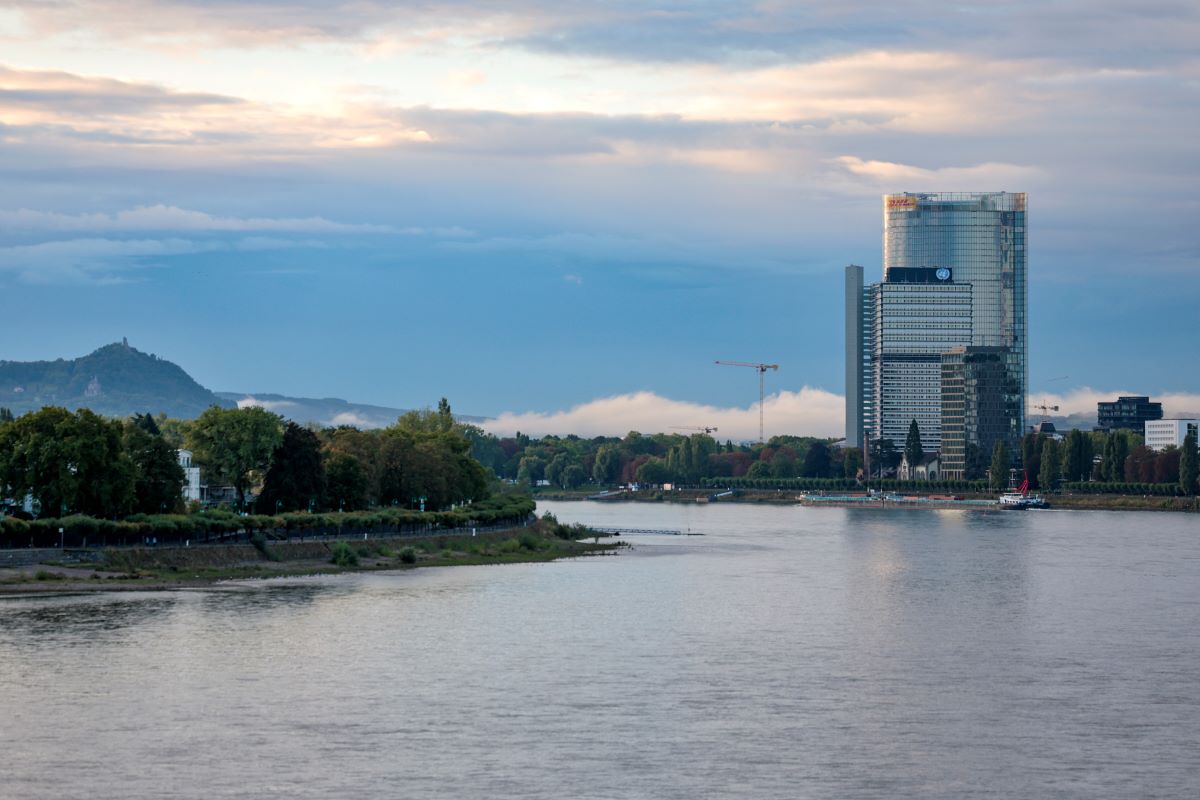
People on the Rhine, however, are less than enthusiastic about the proposal.
Nathanael Liminski, Minister for Federal and European Affairs and Head of the Düsseldorf State Chancellery, said that "it's time to put an end to the fake news about Bonn and Berlin".
The Bonn-Berlin Act of 1994 stipulated that the federal government should move to Berlin, which it did five years later. However, the law also stipulated that "the majority of the jobs in the federal ministries should remain in the federal city of Bonn".
Cannabis distribution delayed in Jena by proximity to 'playground'
The launch of cannabis distribution in Jena by the Jena Cannabis Social Club, known as CSC JTown, has been delayed due to a regulatory dispute over the proximity of the distribution point to playground equipment in the city centre.
The State Office for Agriculture and Rural Areas classifies metal sitting balls and a children's pirouette in nearby Johannisstraße as playground equipment, which would require the distribution site to be at least 200 metres away due to youth protection laws.
Currently it's recorded as being 198 metres away.
The club has requested the state office to reassess and adjust the measurement to 201 metres to permit cannabis distribution.
Additionally, the Jena municipal service does not actually classify the equipment as a playground, adding complexity to the issue.
Founded in 2024, CSC JTown aims to offer a legal, high-quality alternative to the black market and focuses on responsible use and prevention education.
While THC cultivation for personal use has been legalised in Germany, CSC JTown operates under strict regulatory oversight and emphasises quality assurance and member safety.
With reporting by AFP and Rachel Loxton.
Comments