
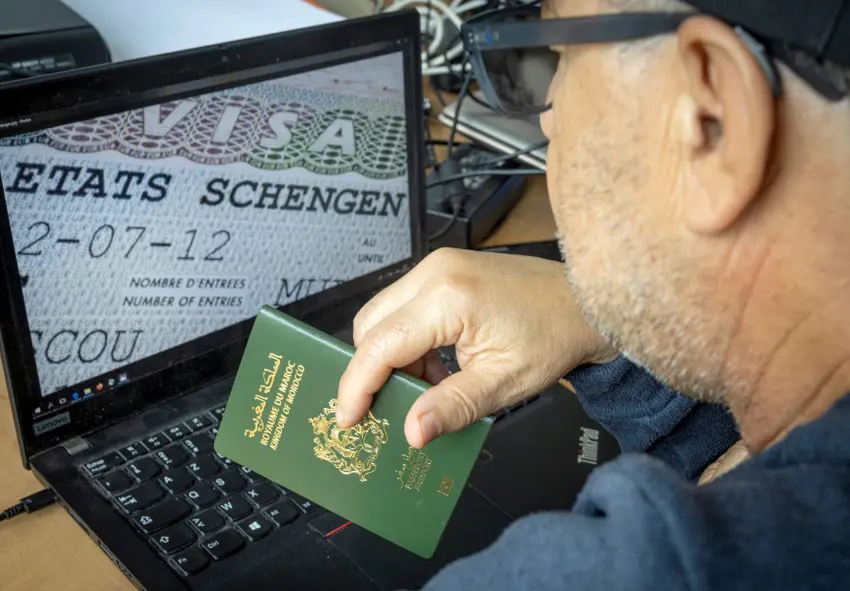
In a consultation that's open to the public, the Commission lays out the problem of “overly lengthy or complex long-stay visa and legal migration procedures."
It says these are are often cited by employers and migrants as an obstacle to legal migration, including in relation to researchers’ mobility for scientific work purposes.
The EU executive intends to address some of these obstacles in order to "facilitate international mobility", particularly for highly skilled workers, students and researchers.
The new strategy will also include measures targeting “start-up founders and innovative entrepreneurs” in order to “attract non-EU nationals who actively help boost innovation and economic growth in the EU.”
The implementation of the directives on students and researchers and on the Blue Card should also become more effective, according to the plan.
Short and long-term visa
Currently, the EU’s common visa policy sets common rules on short-stays, allowing non-EU nationals to visit the Schengen area for up to 90 days within a 180-day period.
“With 9.7 million Schengen visas issued in 2024 and over 1.4 billion people from 61 countries benefiting from visa-exempt travel, the EU visa policy plays a crucial role in promoting tourism, trade, economic growth, as well as people-to-people exchanges,” the Commission says.
The EU executive argues that the practical issues member states face when issuing long-stay visas and residence permits are “often the same as for short-stay visas”. These include “challenges with verifying the authenticity of documents” and “long waiting times for appointments”.
“By streamlining the visa application process, reducing waiting times, and increasing processing capacity in non-EU countries, the EU visa policy can support business and tourism travel to the EU more effectively, as well as ensure EU-funded programmes are implemented smoothly,” the Commission argues.
Geopolitical interests
Considering the “increasingly complex geopolitical landscape”, the Commission clearly says in the consultation document that the EU visa policy strategy should be used “more strategically” to “advance the EU’s strategic interests and long-term objectives.”
In particular, it should serve to increase “cooperation with non-EU countries in… dealing with security issues” and to address “emerging trends such as ‘visa shopping’”.
The strategy will also propose a new approach to visa exemptions, so that these are applied more consistently across member states.
The new visa policy, that the Commission intends to published before the end of the year, is likely to include recommendations on both long and short-term visa.
The Commission is seeking views from EU and non-EU citizens, civil society organisations, representatives of the travel and tourism industry, transportation organisations and other interested groups.
If you want to take part in the consultation and make your views heard then comments can be sent by 18 September 2025 using this link.
Comments (3)