
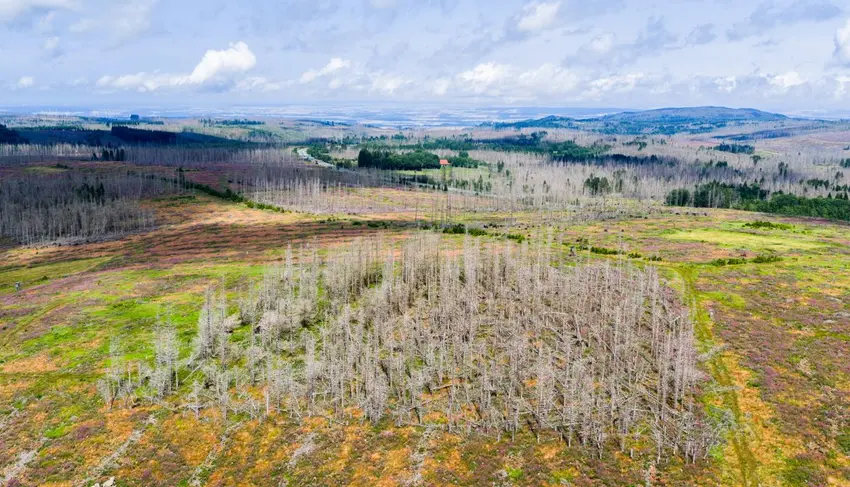
The warming of Earth's atmosphere, due to pollution from fossil fuel use, is understood to come with vast and varied impacts for life in Germany – from the eventual end of ski holidays in the Alps to the increased intensity of summer heatwaves.
But while today's leaders seem to be betting that the more intense effects of climate change are still decades away, it's already visibly (and quite rapidly) changing Germany's landscapes.
Here's a few regions across the country where the impacts of climate change can be seen within just the last few years.
Glaciers
"It is more or less hopeless for the glaciers in Germany," Hermann Lotze-Campen of the Potsdam Institute for Climate Impact Research told DPA. "The long-term trend of rising temperatures and, above all, fewer frost days, which will also have an effect at higher altitudes, simply means that the glaciers will gradually melt."
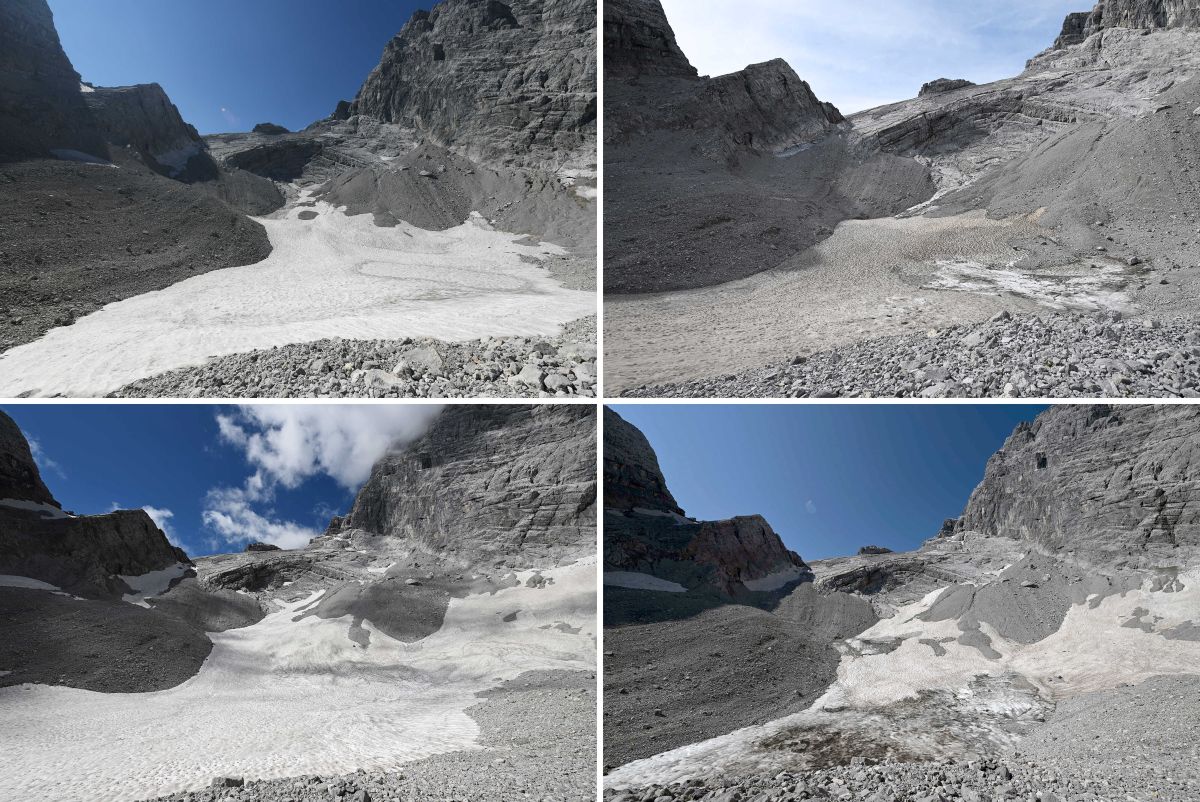
According to the German Alpine Club (DAV), the Alpine glaciers have lost more than half of their area and a third of their ice volume since 1850. Based on the climate models, a further loss of ice volume of 50 percent is expected by the middle of the century compared to today.
By the end of the century, the Alps could be ice-free.
The disappearance of the glaciers has consequences – not only for ski tourism, but also because many glaciers are important as water reservoirs.
As annual glacial melt declines, so to would the banks of many of Germany's rivers and Alpine lakes. This can also be expected to have significant impacts on shipping, tourism and agriculture.
READ ALSO: MAP - Where in Germany residents have been forced to move by extreme weather
Stressed forests
Drought, fungi and beetles are worryingly affecting German forests, all of which are made worse by high temperatures, which can also be a stressor in itself.
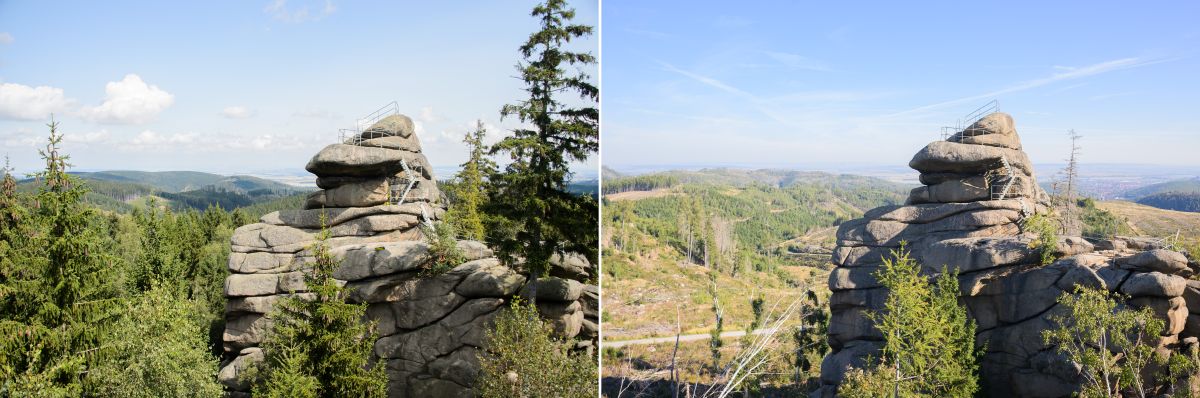
Among the most common tree species in Germany, four out of five trees are diseased, according to a survey by the Federal Ministry of Agriculture published in early summer this year.
Despite relatively favourable weather conditions last year, losses remain at a "very high level", according to the report.
"Forests are important carbon sinks," climate researcher Lotze-Campen told DPA. "But now we are finding that a combination of higher temperatures, prolonged dry periods, storms and stress from pests is putting a strain on the forest."
In recent years, the Federal Forest Inventory has shown that the forest is now emitting more carbon than it can absorb.
Comparative pictures from the past three years from the Eifel also make it clear: It takes an extremely long time for trees to grow back.

Measures such as reforestation therefore only really have an effect after decades. "We don't live in the tropics, where a tree grows three metres in three years," says Lotze-Campen.
Endangered lakes
"What the water level is in a lake depends on what the precipitation is and it depends on how high the temperature is, because more water evaporates due to a higher temperature," explains Lotze-Campen.
"This is a very important factor, also for the future. Because even if precipitation were to remain the same, temperatures would rise – and with it evaporation."
Falling water levels in lakes also mean a loss of breeding areas for birds or spawning areas for fish.

For people, low water levels in lakes can impact shipping as well as recreation. Shipping on Forggensee (pictured above) was postponed this year due to low water levels.
Pollutants also become more concentrated in a shrinking volume of lake water, and the lake as it shrinks, tends to warm up faster – creating a sort of negative feed-back loop for water volume loss.
But trends in changing water levels are not always so immediately visible, especially not in just a few years, as lakes tend to shrink and swell through the seasons and in response to precipitation. The large trend toward shrinking water levels overall can only be observed over large periods.
Comments