
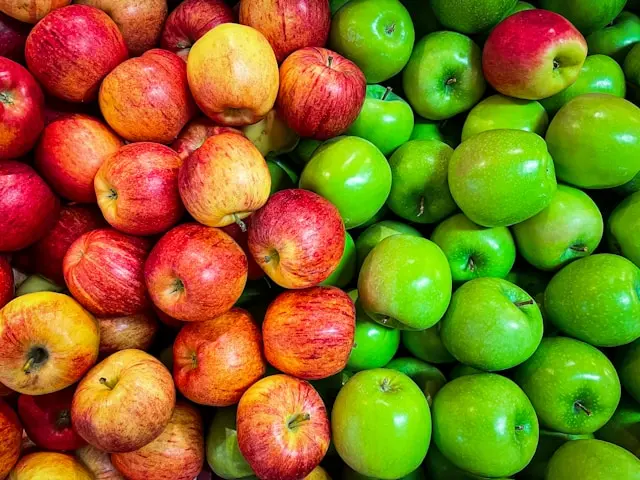
Getting your five servings of fruit a day is more expensive in Germany this year, according to the latest preliminary figures from the Germany's statistical office (Destatis).
Peaches, apples and bananas cost 7.6 percent more in July, the figures showed.
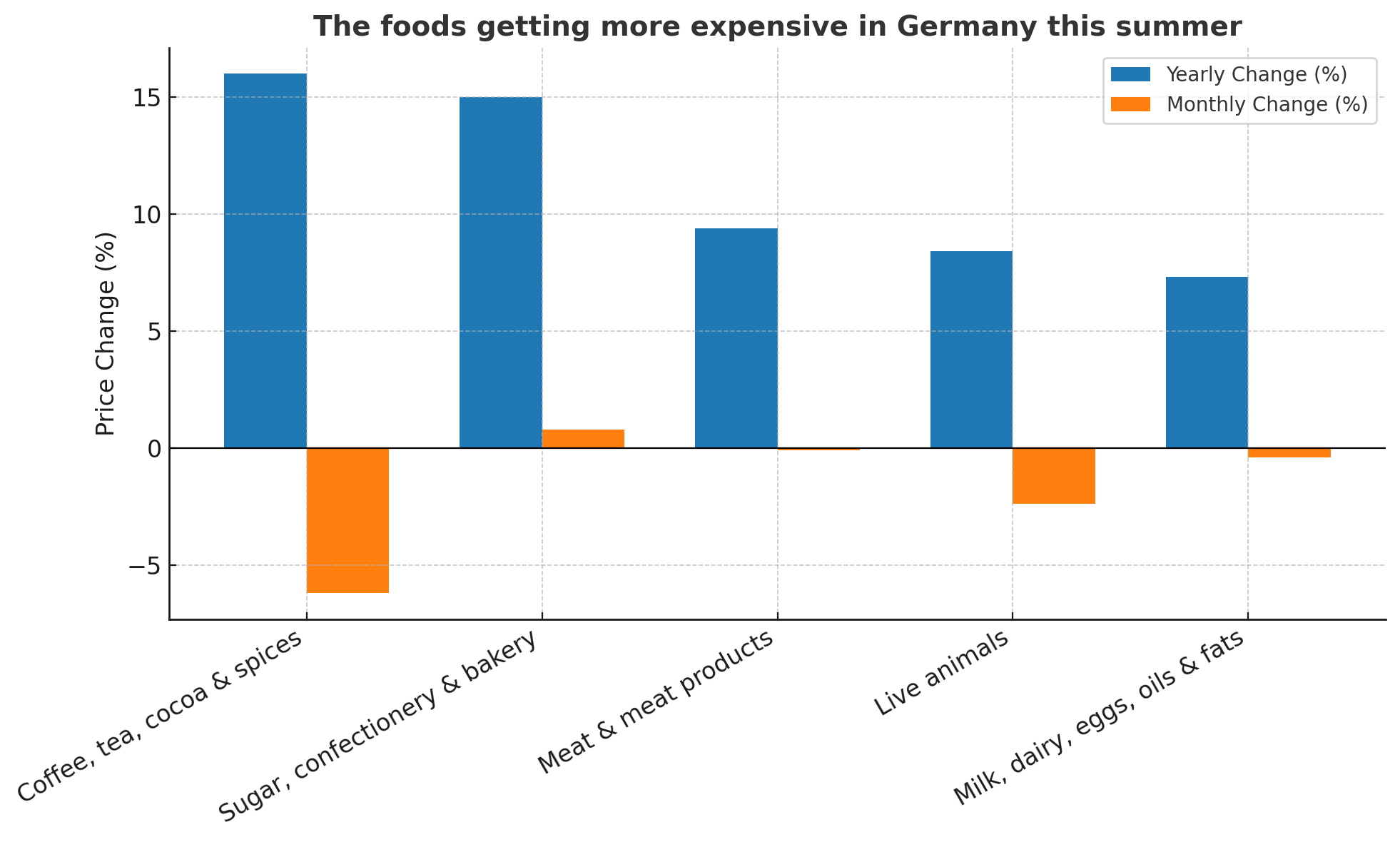
Sugar and confectionery also went up, costing 5.6 percent more than in the same period in 2024.
And it's bad news for chocoholics, too, as chocolate prices soared a whopping 18.6 percent over last year's prices.
Meanwhile, dairy products and eggs rose 4.1 percent.
However, compared to prices in June, food dropped slightly – down 2.2 percent – in July.
Also, not all foodstuffs went up.
Potatoes cost significantly less this July – prices were 16.1 percent lower than in July 2024. And vegetables were also cheaper, down 3.2 percent on July 2024 prices.
Core inflation unchanged
On average, consumer prices in Germany rose 0.3 percent month on month in July and a full 2 percent when compared to July 2024.
"The inflation rate has stabilised since the beginning of the year and remained unchanged for two consecutive months," said Ruth Brand, Destatis President.
According to economists, the wave of price increases in recent years, during which the inflation rate peaked at almost nine percent, has ended.
However, so-called core inflation – the rate excluding the volatile prices of food and energy – remained unchanged at 2.7 percent, the latest figures showed.
In energy, fuel prices were actually cheaper than a year earlier in July – down 4.5 percent on the same month in the previous year.
Broken down into different fuels, heating oil was five percent lower, wood pellets 5.3 percent cheaper and electricity prices two percent lower than in July 2024.
Looking forward, economists forecast an average inflation rate of around two percent for the year. The European Central Bank maintains a goal of keeping inflation at this level to maintain a stable currency for the euro area.
In 2022, inflation stood at 6.9 percent for the year on the back of rising energy prices after the Russian invasion of Ukraine, falling to 5.9 percent in 2023 and slowing to 2.2 percent in 2024.
Generally, a higher inflation rate, is directly correlated with lower purchasing power for consumers.
With reporting by DPA.
Comments