
As of 2024, only 19 percent of German households were using air conditioning (AC), according to price comparison website Verivox.
The proportion of German households with cooling systems is rising rapidly - just 13 percent of German households had AC a year before. Still, most of those living in Germany this summer don't have it.
You'll find AC in some shops and offices, but it's far from standard - even many hospitals and nursing homes still lack it.
If you're living here you could try and install AC, but this can be complicated (not to mention expensive) and if you're renting you will need to get permission from your landlord.
If you have bought a home then you have more freedom, but there are still rules and restrictions on installing AC units, especially if your new home is old or in a historic area.
READ ALSO: What are the rules around installing air conditioning in your home in Germany?
There are, however, alternatives that will also keep you cool when the Hitzewelle (the heatwave) hits.
1. Ventilate strategically
The first thing to understand is that German homes are generally pretty well insulated - they are designed to stay warm in the winter and therefore also to stay relatively cool in the summer.
So contrary to what some may think, opening your window to let in a breeze in the middle of a summer day can actually raise the temperature inside.
The best practice in most cases would be to open up windows at night - or in the early morning and late evening hours when the outside temperature is cooler - and then keep them closed through the hottest parts of the day.
However, some homes - especially rooftop apartments (Dachgeschosswohnung) or those with lots of big windows - heat up more than others. If the temperature inside your home rises to be the same as or more than the temperature outside, then you'll want to open all the windows - and probably also head outside to your nearest lake or shady area.
If you live in a small apartment it's better to keep internal doors closed too so that any heat generated from cooking or other appliances doesn't move into the bedroom, which you ideally want as cool as possible so that you can sleep.
2. Shutters
Shutters are common in German homes, although not ubiquitous. Used correctly, shutters do a great job of keeping the interior cool - the trick is to keep both the windows and the shutters shut during the day, in order to keep out the hot air and the sunlight.
Then open up shutters along with the windows in the evening or the early morning when the air outside is cooler to ventilate the room.
If your place doesn't have shutters then it's worth looking at installing them - home improvement stores sell them in a variety of sizes or with a made-to-measure option if you don't have standard size windows.
If you don't have shutters, closing blinds or curtains will also help a bit by blocking out some sunlight. Venetian blinds - especially those with aluminium or wooden slats with a light finish - will help reflect sunlight when closed.
There are also thermal curtains - or curtains with thermo-insulating textiles designed to keep your home cool.
For a cheap, temporary fix you'll also see people putting reflective foil over their windows in summer.
3. Fans
Fans - both ceiling fans and free-standing electric fans - circulate the air, helping to keep things a little cooler (with a welcome side effect that mosquitoes don't seem to enjoy the draft from a fan).
In summer, some people put a bowl of ice or a cool damp towel in front of the fan in order to generate some cool air that is then circulated around the room.
It's well worth buying a fan at start of the summer as they can sell out rapidly when heatwaves strike.
4. Heat bridges
Did you know about the concept of a 'heat bridge'? Basically it means that if you have a balcony or patio area that is covered in heat-sucking concrete, and you have a glass door or window directly next to it, then this will effectively funnel heat into your home.
Therefore keeping outdoor spaces that are directly connected to your home cool, will keep the interior cooler too.
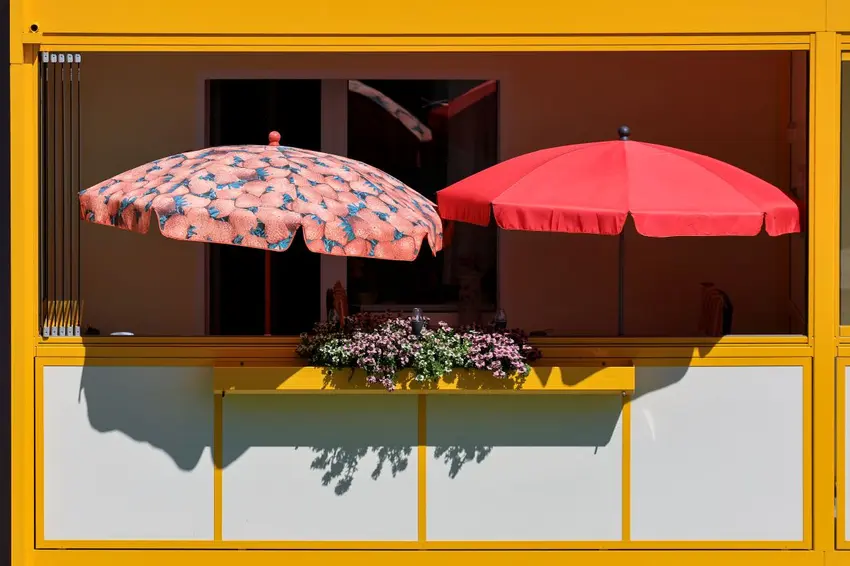
The easiest way to do this is to keep your balcony or outdoor space well shaded with a parasol or awning. If you have a balcony solar panel, try to place it in a way that provides the most shade during the midday.
In the longer term, you may also consider replacing concrete with grass (or fake grass) or wood panelling.
Plants also have a role to play here, and can help keep the area around your windows cool. The greener your outdoor space, the better. Consider leafy plants that block sunlight in the summer, but lose their foliage in the winter (and thus give you more sun during the cold seasons).
READ ALSO: From nudity to BBQs: What you can (and can't) do on your balcony in Germany
5. Insulation
It might sound counter intuitive to think about insulation when its scorching outside, but good insulation also works to keep cool air in and hot air out.
As we mentioned above, German homes tend to be pretty well insulated, but if you notice parts of your home that tend to heat up rapidly in the summer (and probably also get cold in the winter) it's worth considering what you can do to improve the insulation in these areas.
A good place to start would be checking the seals around windows and doors. Replacing older windows with double- or triple-pane windows can make a big difference, or, more cheaply and simply, you can install insulating glazing.
If you're a tenant there are limits on the amount or work you can do, but minor and removable fixes such as adding sealant strips or window glazing may be fine. Of course you should check your rental contract, and inquire with your landlord before taking on alterations.
When buying or renting a place, check out its energy rating score - a place that has a D rating or below is likely to be cold in winter and hot and stuffy in summer.
6. Heat pumps
It may not be immediately obvious, but don't forget that as well as keeping your home warm in the winter, a heat pump will also keep it cool in the summer.
Heat pumps are not a cheap option, and are probably not practical for renters, but for homeowners seeking a long-term solution they are a good fix and may save you money in the long term. Although the initial installation is expensive, running costs - for both heating and cooling - are very low.
It acts as a one-stop-shop, meaning that all your heating and cooling needs are met with a single machine.
The other great advantage is that it does a lot less environmental damage than an air conditioner - heat pumps are famously energy-efficient and they don't have the nasty coolant chemicals that AC units rely on.
There are also grants available to help residents of Germany to install heat pumps.
READ ALSO: Who can apply for Germany's new renewable heating grants for homes?
Comments