
Thursday's top story: 70 years of Germany in NATO
70 years after the Federal Republic joined the North Atlantic Treaty Organization (NATO), Chancellor Merz reaffirmed Germany's claim to a leadership role in the military alliance at an anniversary ceremony in Berlin on Wednesday.
‘We will procure new equipment on a large scale, and we will pay particular attention to new technologies,’ said the chancellor.
Present for the ceremony, NATO Secretary General Rutte praised the increase in German defence spending.
Rutte said he saw the military alliance's decision to raise defence spending to five percent of GDP by 2035 as a quantum leap.
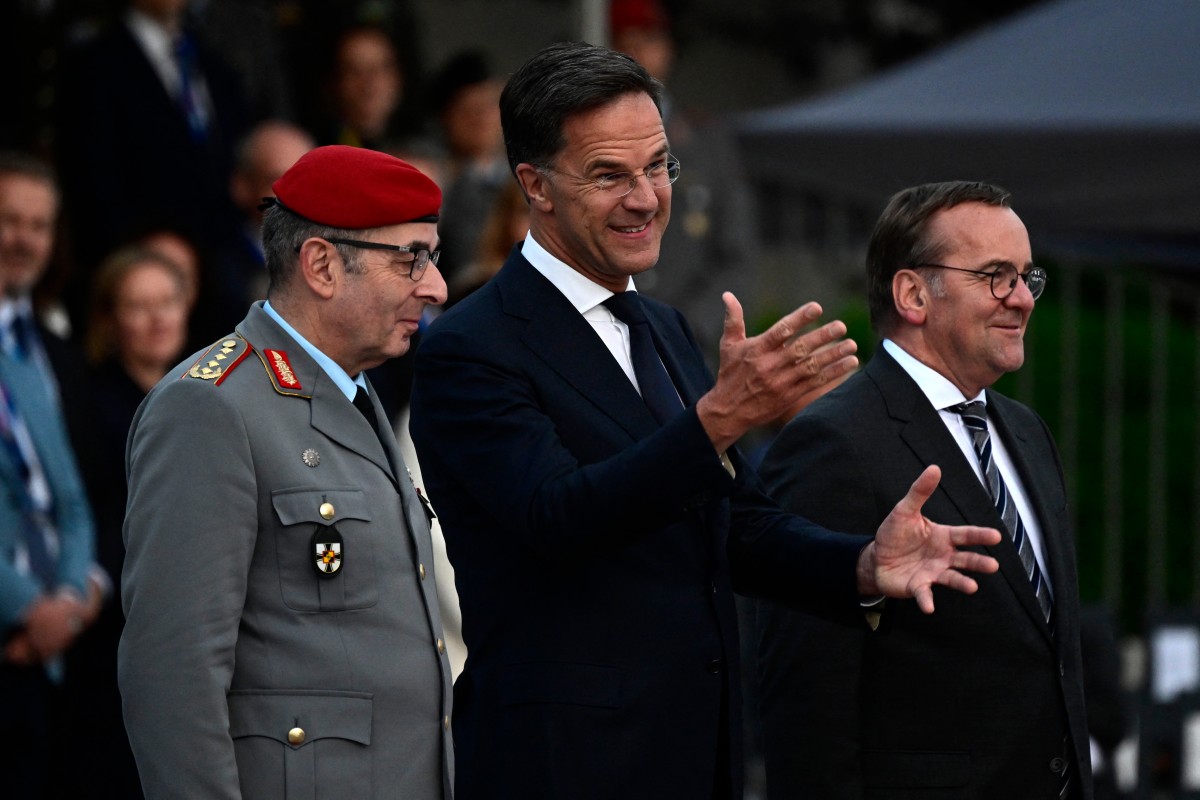
Merz had taken a leading role from the outset, he added.
The secretary general also called for faster production of weapons in Europe, noting that countries such as Poland, Romania and Estonia were now buying from South Korea because production times in Europe or the US were too long.
READ ALSO: German military sees Russia as 'existential risk' to Germany and Europe, report
Berlin's best-known kebap business moves locations
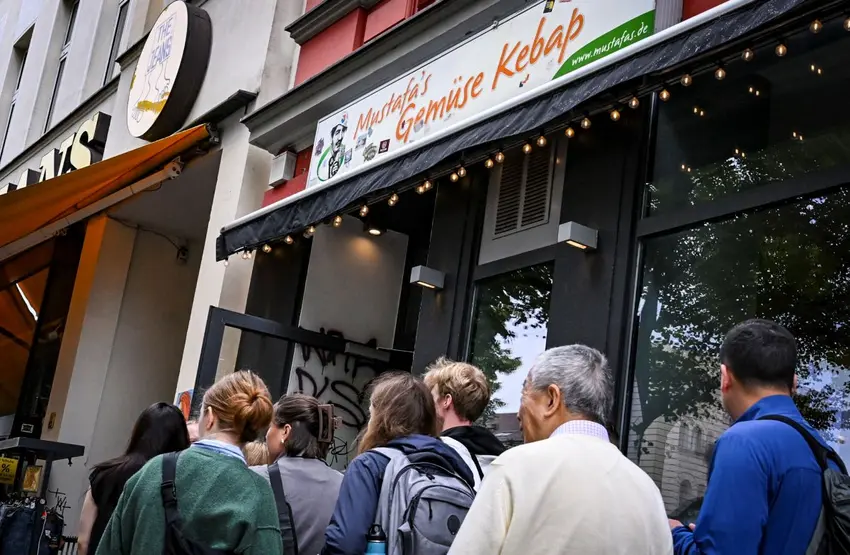
"Mustafa's Gemüse Kebap" in Kreuzberg in Berlin has become Germany's most famous kebap stand, known for attracting a queue that extends far down the street.
But this week the line has moved.
"New location. Opposite. Mehringdamm 33", a large banner in English at the closed booth informed guests this week, according to a report by Tagesspiegel. The business has given up its old kiosk, and seamlessly moved just across the street into a new store.
At its new shop a line was immediately present.
"Whether from the booth or here in the shop, we wait," a tourist told Tagesspiegel.
"Mustafa's" earned a reputation as Berlin's best kebab online, and although the business has a number of locations across the German capital, it was always the kiosk here that attracted long lines of visitors.
READ ALSO: From Berlin to the world - the doner kebab
Inflation down to two percent in June
At two percent, the inflation rate in Germany fell to its lowest level in June since October, according to preliminary figures.
However, core inflation - i.e. the inflation rate for items excluding food and energy - was higher at 2.7 percent.
The cost of many services were also significantly more expensive in June than a year earlier, according to DPA.
READ ALSO: Why the prices of flights from Germany are going up
The Bundesbank expects the inflation rate in Germany to fluctuate around the two percent mark in the coming months.
The German Council of Economic Experts (Wirtschaftsweise) expects that a value of two percent will also be achieved on an annual average in 2025.
Volkswagen US deliveries fall as Trump tariffs bite
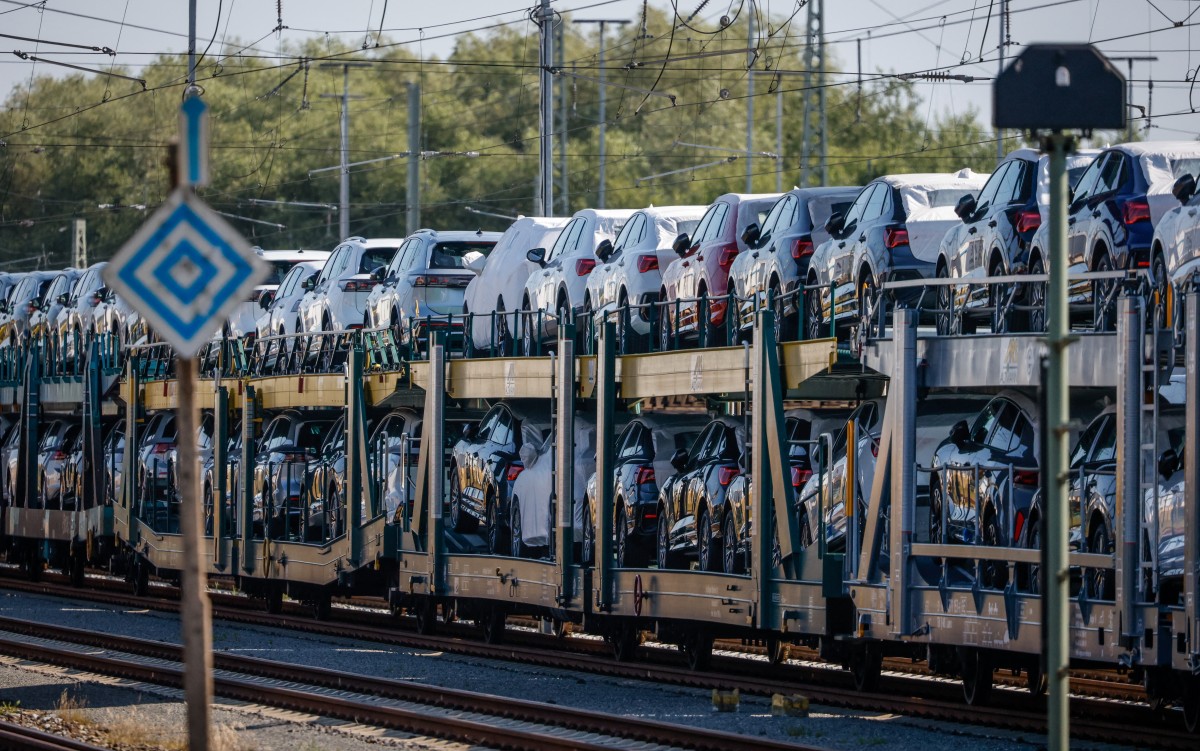
Europe's largest automaker Volkswagen said Wednesday that sales into the United States had taken a hit, underscoring the impact of President Donald Trump's drastic trade measures.
Total vehicle deliveries into North America fell almost seven percent in the first half of the year, the German group said, even as overall deliveries worldwide notched a rise of 1.3 percent.
In the three months to June -- a period dominated by the fallout of Trump announcing 25-percent tariffs on cars in late March and further sweeping duties in April -- deliveries to North America plunged 16.2 percent.
Marco Schubert, board member for sales at the firm, said the declines were "expected" and that "gains in South America and Europe more than offset" the impact.
Though April's "Liberation Day" tariffs have been paused until August 1st, a 25-percent tariff on imported cars that are not largely made within North America remains in force.
Carmakers have rushed to find ways to minimise the impact of the levies, with high-end automaker Mercedes-Benz on Monday saying it had delayed some US deliveries in the expectation of tariffs coming back down.
Lidl owes French rival €43 million after ads ruled deceptive
German supermarket chain Lidl faces a €43 million pay out to a French rival after an appeals court ruled its ads to be deceptive.
The Paris appeals court ordered Lidl to pay the amount to French chain Intermarche after finding hundreds of the television spots that it ran between 2017 and 2023 were likely to deceive consumers and amounted to unfair competition.
While Intermarche lost the original trial in 2022, the appeals court considered in its July 4th ruling that Lidl's ads were deceptive as the hard discount retailer had not ensured the items it promoted were available in all of its shops at the advertised price for a period of 15 weeks.
The appeals court judge found that in the more than 370 ads contested by Intermarche that Lidl had prominently featured the products and prices but had used small print or brief off-screen voice mentions to see its website for participating stores.
The court ruled those mentions were "likely to go unnoticed by the consumer or at the very least be misunderstood."
Lidl said it would appeal the latest ruling while Intermarche declined to comment when contacted by AFP.
READ ALSO: What your choice of German supermarket says about you
With reporting by AFP, DPA and Tom Pugh.
Comments