
Inside Germany is our weekly look at some of the news, talking points and gossip in Germany that you might've missed. It’s published each Saturday and members can receive it directly to their inbox by going to their newsletter preferences or adding their email to the sign-up box in this article.
Having made it to the other side of a monstrous heatwave, people in Germany can look forward to significantly milder weather in the coming days – including some scattered showers over the weekend and temperatures in the low to mid 20s in many places through the weekend.
But of course there will be more heatwaves to come this summer, and then even more in the summers to follow. In fact, meteorologist Dominik Jung (whose forecasts often pop-up in German media) suggests the next one is just around the corner – starting from next Thursday, July 10th.
So in case you missed some of our practical heat-related coverage this week, you may want to brush up on the rules around working during heatwaves, when exactly German schools close due to heat, and what to know about installing air conditioning in your home.
Budget squabbles
An interesting, and often overlooked, aspect of extreme weather events is how often they tie directly into economics, and even seemingly inconsequential budget decisions.
A more obvious example was seen this week in the direct impacts of the high temperatures, including a highway buckling in the heat, rail disruptions and forest fires.
Allianz Research suggested the July heatwave will cause the loss of 0.1 percent of Germany’s GDP growth this year.
READ ALSO: School closures to rail chaos - What happens when Germany is hit by extreme heat
But there’s a more subtle connection to be found in the federal government’s latest budget update.
This week leaders of the conservative Christian Union parties (CDU/CSU) and the Social Democrats (SPD) held talks on details related to their plans for tax cuts and pensions. In the end they announced that they didn’t have the finances to scrap electricity taxes for German households after all. (You can read more about what changes were agreed and how they might affect you here.)
An under-reported aspect of the government’s decision to scrap that tax cut is its climate implications. While the black-red will government no longer cut taxes for electricity, it will stick to plans to remove a levy on gas – effectively incentivising fossil fuel energy and disincentivising electrification.
As a Spiegel author put it in an op-ed published this week, “climate-damaging gas will be preferred when money is tight”. He added that the black-red coalition “does not show any awareness of the climate crisis.”
Bavarian lake monsters
Summer time swimmers can relish the fact that Germany’s fresh water resources are pretty clean. A recent EU analysis found that just over 90 percent of the country’s bathing sites met European quality standards.
However, anyone diving into murky waters in Bavaria should beware the local giants that may be lurking below.
…Ok, to call them lake monsters (or See monsters, if you will) is a bit of a stretch, but there have been a few incidents involving rather large catfish (Wels) in the region.
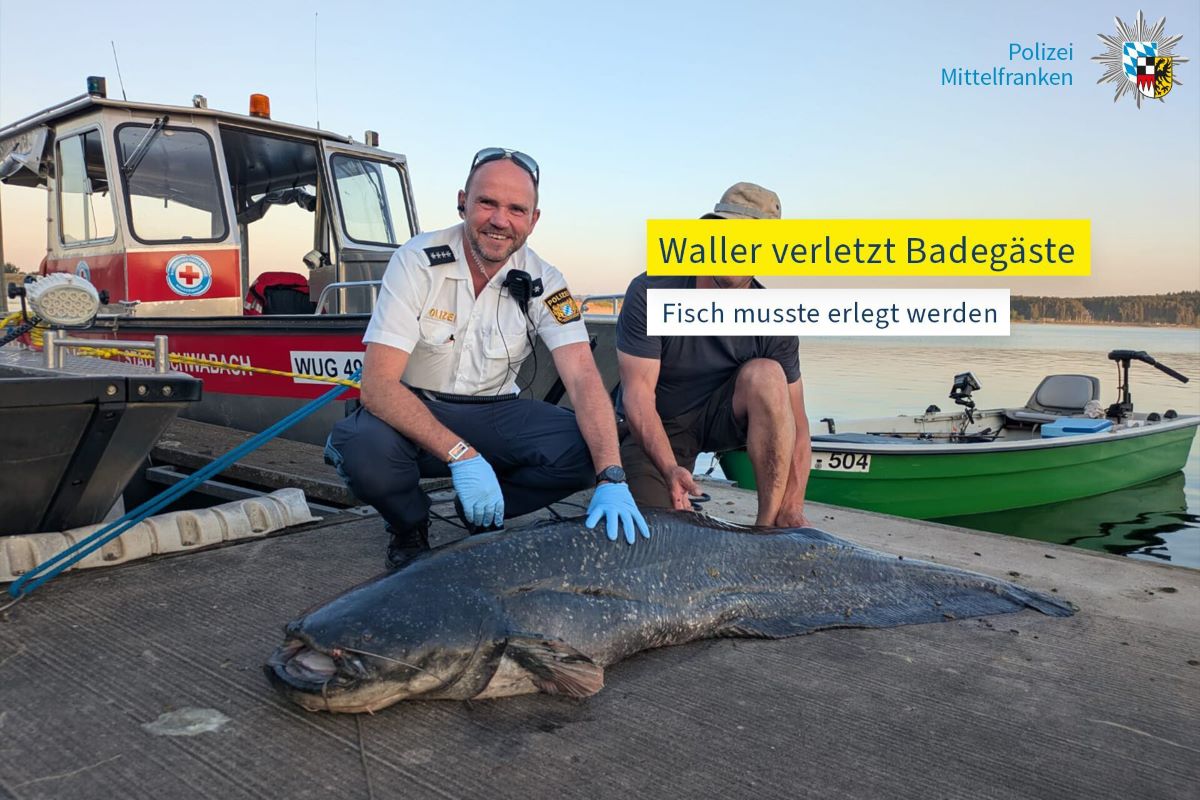
A couple weeks back a 90 kilogram, two-metre catfish in Lake Brombach was shot and killed by a police officer after allegedly biting five swimmers.
Police spokesman Michael Petzold noted that biting people is “atypical behaviour”. Catfish aren’t normally aggressive, but are thought to become so when protecting their eggs.
This week, further reports of alleged catfish bites have been reported at the same lake.
The killing of the first giant fish stirred up a heated debate between conservationists and anglers. In media reports a local innkeeper was quoted as saying that the fish had been eaten in its entirety – divided into 120 fillet portions that were each served with potato salad and other seasonal sides for €22.50.
Comments