
Germany’s health authorities have issued clear guidelines to help residents and visitors stay safe during periods of extreme heat. Here’s what you should know and do, according to the experts at the German Federal Institute for Public Health Education (BIÖG).
Pay attention to official warnings
Stay informed by following updates from the German Weather Service (DWD), which issues real-time heat warnings via its website, as well as recommended actions. You could also think about downloading the NINA warning app.
Stay hydrated
Dehydration can happen quickly in high temperatures, especially among the elderly, children, and people with chronic illnesses.
During a heat wave, adults should drink at least two to three litres of water or unsweetened beverages a day, even if they don’t feel thirsty.
Tea, coffee and alcohol all act as diuretics, meaning they'll leave you dehydrated, so stick to water as much as possible. On the plus side, this means you won't have to turn the kettle on and fill your apartment with hot steam.
There are plenty of ways to keep hydrated besides just drinking water. Fill a bucket with water for your feet or place a wet towel on your head and shoulders. Even splashing your face with cool water can make a big difference.
Try and stay out of the sun
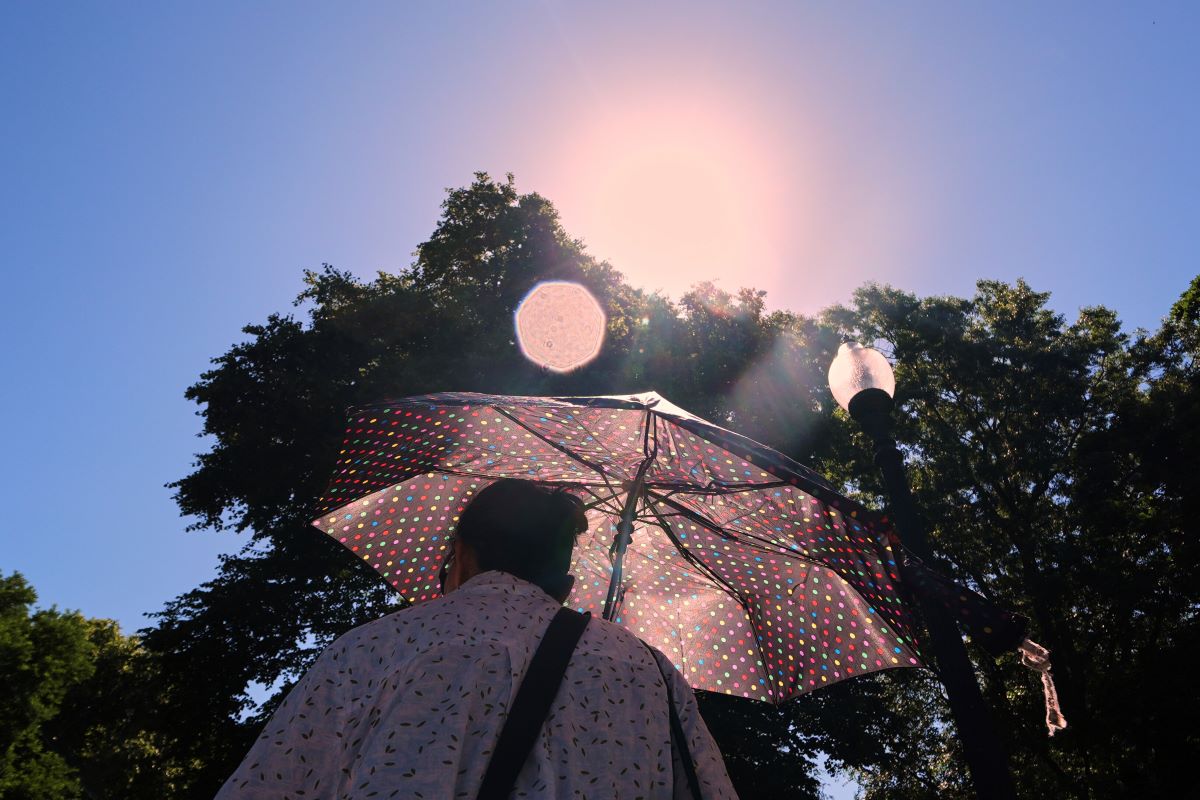
The BIÖG recommends staying indoors during the hottest hours of the day, typically between 11am and 5pm. If you do go outside, try and stay in the shade, wear a wide-brimmed hat, sunglasses, and use sunscreen with a high SPF.
It's also a good ideas to wear light clothes, ideally made from cotton as the material lets your skin breathe.
Stay cool
Keep your living space as cool as possible. The BIÖG suggests closing windows and blinds during the day to block out heat and ventilating your home in the early morning or late evening when temperatures drop.
If you're out and about, churches, museums, public libraries, and shopping malls can all provide relief from the heat.
For readers in Berlin, the Technologie Stiftung provides a great Erfrishungskarte (cooling map), showing all the public drinking fountains, public air-conditioned buildings, parks and fountains in the city.
Other cities in Germany are currently piloting similar initiatives as part of of heat adaptation strategies.
Work out earlier or later
The BIÖG recommends limiting strenuous activities such as sports or heavy physical labour to the cooler hours of the day—early morning or late evening.
Look Out for Vulnerable Groups
The BIÖG stresses the importance of community support during heatwaves. Check on elderly neighbours, young children, pregnant women, and people with chronic illnesses.
If someone starts complaining of cramps, headaches, dizziness or has a fever of over 38C, these are all sure signs they're suffering from the heat. Keep them cool and call the emergency services for help.
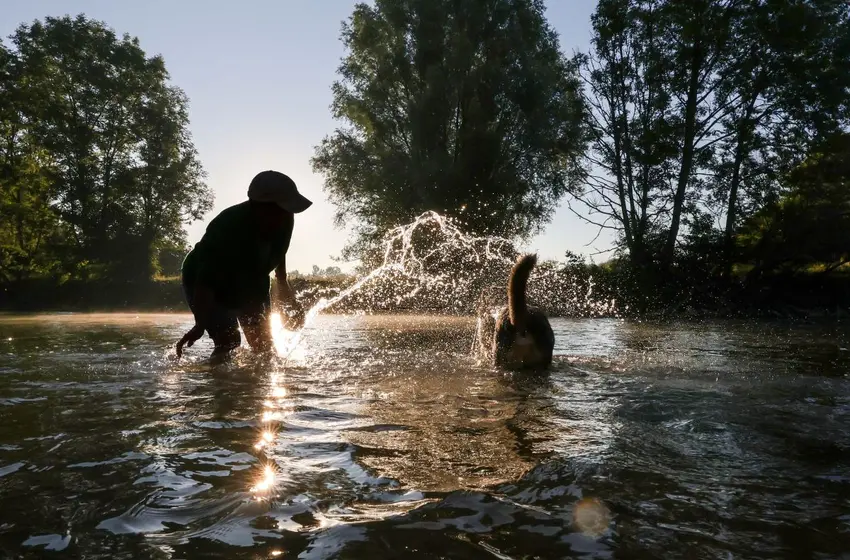
And don't forget your furry and feathered friends. Keep a close eye on your pets, give them plenty of water and the occasional cool bath.
Think about what you're putting in your body
If you take medication or have pre-existing conditions, consult your doctor during a heatwave. Some medications can affect your body’s ability to regulate temperature or retain fluids.
It's also a good idea to think about what you eat. The experts recommend that people eat less and more frequently in high temperatures. Sticking to fresh foods like salads and sandwiches also means you don't have to turn the oven on - and raise the temperature in your home even higher!
Comments