
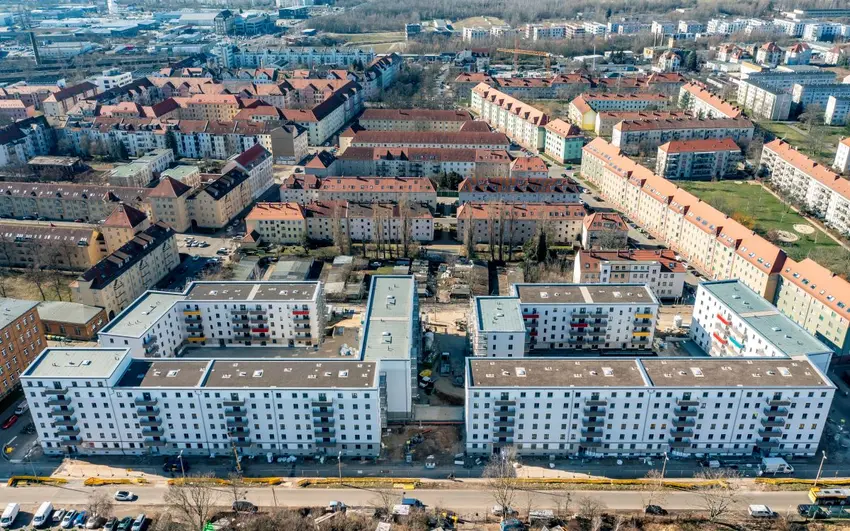
Germany's rent control efforts don't seem to be working very well. Housing is becoming more and more expensive in major German cities despite the rent brake.
A recent evaluation by the Ministry of Construction found that asking rents in the 14 largest German cities have risen by an average of almost 50 percent since 2015.
Which cities are seeing the steepest rent price increases?
Germany's rent price figures come from the Federal Institute for Research on Building, Urban Affairs and Spatial Development (BBSR).
They reflect the prices on offer that apartment hunters find online when searching for a rental apartment with a living space of 40 to 100 square meters.
According to the report, Berlin has been hardest hit. In the capital city new rents have more than doubled in the past ten years.
READ ALSO: 'Always be vigilant' - Expert tips for finding an apartment in Berlin
The next largest rent increases were seen in Leipzig (where prices jumped 67.7 percent) and Bremen (plus 57 percent).
The lowest rent increase was reported for Dresden, where prices have still risen by 28.4 percent.
According to BBSR figures, renting continues to be most expensive in Munich, with prices per square metre of almost €22 on average.
This is followed by Berlin where new rentals average €18 per square metre, and Frankfurt am Main with around €16 euros per square metre.
What's wrong with the rent brake?
Germany's primary rent control, the rent price brake or Mietpreisbremse, which was introduced in 2015 with the aim of holding down rents in dense housing areas, is set to be extended until 2029.
But continued increases in rent prices - even in places that are covered by the rent brake - serve as mounting evidence that the rent control may not be working as intended.
Left Party member of the Bundestag, Caren Lay, who had brought the inquiry on rent increases said, "The rent explosion is taking money out of the pockets of urban tenants, moving is becoming impossible and all this contributes to the further social division of our society."
Lay pointed to a number of exceptions written into the rent brake that limit its protection, and criticised the current federal government plans to extend the regulation without amending it.
The rent brake does not apply to new builds (since 2014) or temporary or furnished lets. It also lacks consequences for landlords that break the rules - beyond reimbursing their tenants for rent that was overcharged - and puts the burden of enforcement on tenants.
OPINION: It's high time Germany scrapped the rent brake
Just add apartments
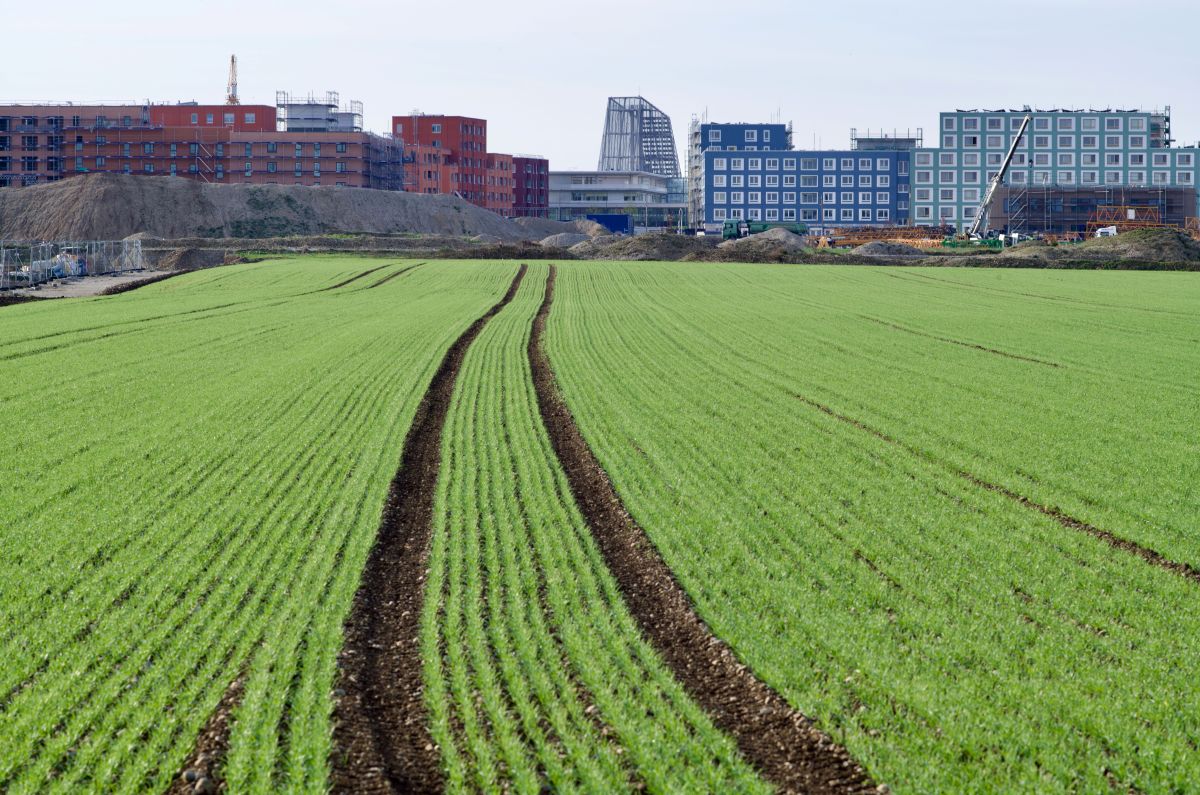
With or without rent controls, Germany needs to build more apartments to ensure enough supply to keep rents from spiralling upward. But construction in the country has dropped to a snail's pace in recent years - the number of newly built flats fell to 251,900 last year compared to the government's target of 400,000.
To spur on more development, the black-red federal government - led by the conservative Union and centre-left Social Democrat parties - is pushing forward a raft of legislative changes known collectively as the Bau-Turbo (Construction turbo).
The legislation is designed to make it easier for local authorities to make use of exemptions from building regulations that are currently in place until the end of 2030. Also the expansion of residential buildings, and the conversion of commercial space into residential space should also be made easier.
READ ALSO: Boardrooms to bedrooms - Can converting offices create housing in Germany?
To protect tenants, a regulation against the conversion of rental apartments into condominiums is to be extended to the end of 2030.
Comments