

Friday's top story: German cities are poorly prepared for heat waves as hot days approach
Germany’s Environmental Aid Association (Deutsche Umwelthilfe - DUH) has announced that more than twelve million people in German cities are exposed to extreme heat where they live, following a “heat check” conducted in more than 190 larger cities.
Barbara Metz, director of DUH, told Deutschlandfunk radio that many cities in the country are badly prepared for extreme heat waves. In particular, she said that more areas needed to be unsealed and that facades and streets needed to be greened.
According to a report by WDR, Friday is expected to be the hottest day so far in North Rhine Westphalia.
Heat stress is particularly high in southern German cities such as Mannheim, Ludwigshafen, and Worms, whereas cities in the north, such as Flensburg, Wilhelmshaven, and Kiel, benefit from lower temperatures in summer.
With the help of aerial photographs, DUH was able to determine the surface temperature in each city during the summer months, as well as the degree of sealing, the volume of green space in the immediate vicinity, and the population density.
READ ALSO: Which German cities are best prepared for extreme heat?
Foreign Minister had told Iran to renounce plans for Nuclear weapons hours before Israel's attack
Germany's Foreign Minister Johann Wadephul said Thursday Iran should distance itself from any plans to acquire nuclear weapons, after Tehran announced plans to increase its output of enriched uranium.
"We expect Iran to credibly renounce any plans to acquire nuclear weapons," Wadephul told journalists in Rome ahead of a new round of talks between the United States and Iran on the issue.
Hours later Israel attacked Iran during the night.
The International Atomic Energy Agency (IAEA) has confirmed that the uranium enrichment plant in Natanz was one of the targets of the Israeli attacks. According to IAEA data, no elevated radiation levels have been measured there so far.
Israel's Prime Minister Benjamin Netanyahu said the attack marked a "decisive moment in Israel's history".
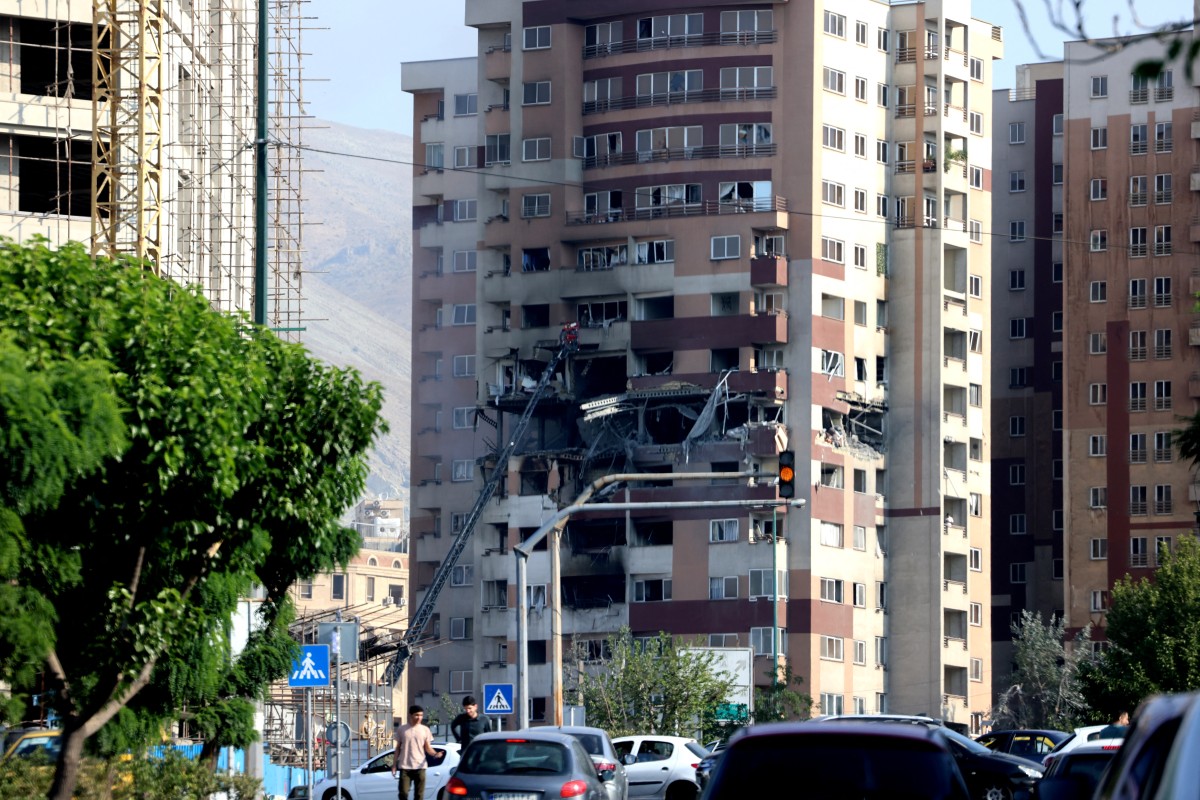
The attack represents a huge escalation in Israel's conflict in the Middle East. As of 8 am, Germany's leaders have yet to officially respond.
The situation will be tricky to navigate for Germany, which has long been a staunch supporter of Israel, but is largely preoccupied with preparing its defences against Russia.
Health ministers call for an end to 'accompanied drinking'
At their annual conference in Weimar, Germany’s state health ministers collectively called on the federal government to abolish “accompanied” (begleitete) drinking for young people aged 14 and over.
Currently, young people in Germany are allowed to drink beer, wine, or sparkling wine in public from the age of 14 if accompanied by a parent or guardian.
According to statistics, almost seven percent of females and more than twelve percent of males aged 12 to 17 consume alcohol at least once a week.
In their resolution, the health ministers referenced the serious health consequences of early alcohol consumption and the way in which the current rules trivialise drinking in Germany.
READ ALSO: 'Beer is cheap and everywhere' - How Germany's drinking culture surprises foreigners
Deutsche Bahn train cancelled due to crew protest over dirtiness
German rail passengers are no strangers to late or cancelled trains, but this week people aboard one intercity service were stunned to hear a new reason for why their journey came to a sudden halt: the train was deemed too dirty.
About an hour into a trip from Munich bound for Hamburg, passengers were told over the loudspeaker that their train would have to terminate in the Bavarian city of Nuremberg.
"We apologise, but we as train crew need to make a statement. This train is too dirty for us to travel any further," said the announcement, which was first reported in the Munich newspaper Muenchner Merkur.
Recounting the cut-short trip on Tuesday on LinkedIn, passenger Tom Junkersdorf posted pictures of a seemingly clean train carriage and said one passenger had asked if the announcement was a practical joke.
Confirming the incident, a spokesman for Germany's Deutsche Bahn, the state railway company, told AFP that it apologised to passengers affected and put on alternative travel within an hour of them being thrown off.
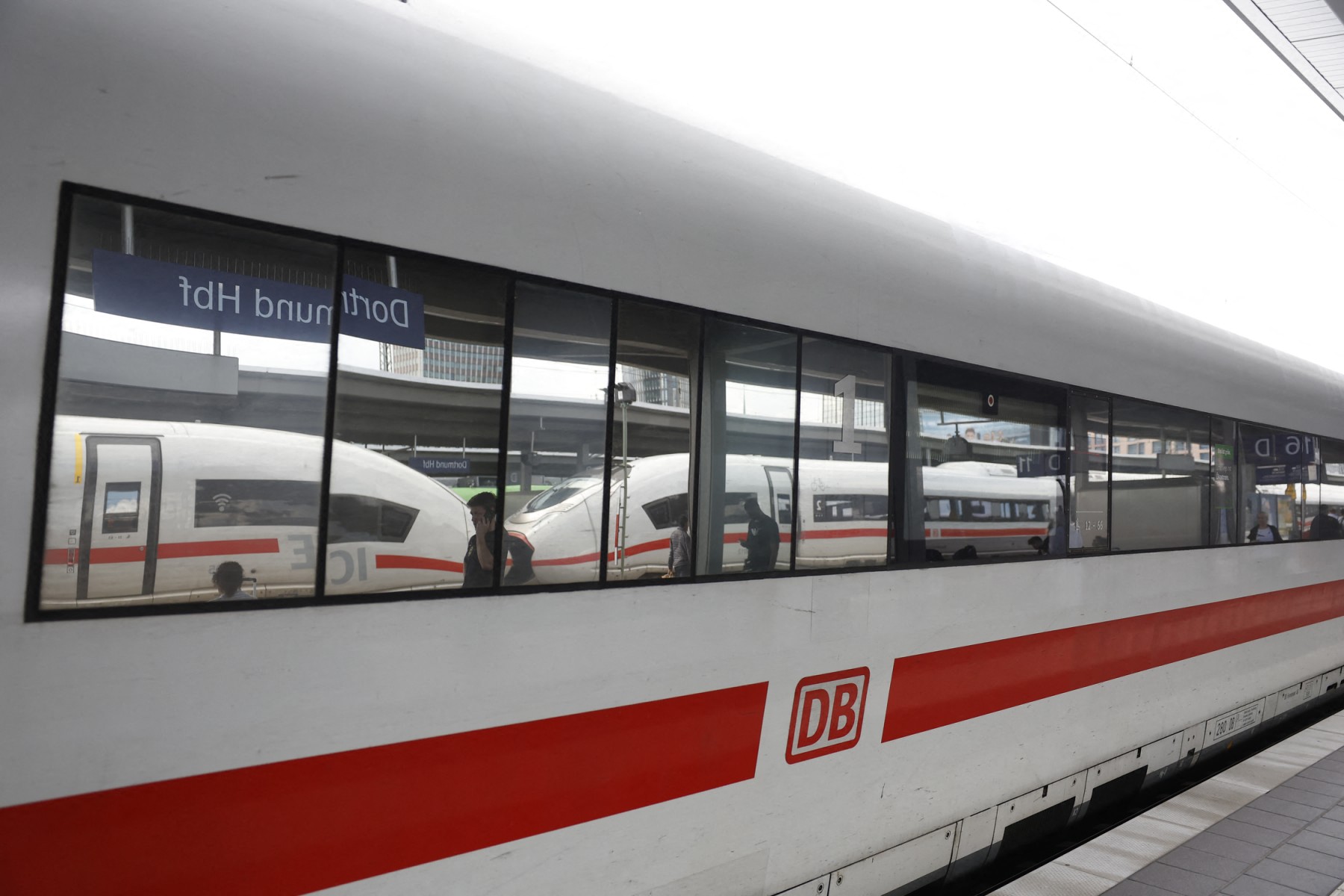
"The train was accidentally put into service without being cleaned. This is an isolated incident which we deeply regret," the spokesman said.
"We are investigating internally to see what went wrong and prevent such mistakes in the future."
German state hits uninstall on Microsoft
At a time of growing concern over the power of the world's mighty tech companies, one German state is turning its back on US giant Microsoft.
In less than three months' time, almost no civil servant, police officer or judge in Schleswig-Holstein will be using any of Microsoft's ubiquitous programs at work.
Instead, the northern state will turn to open-source software to "take back control" over data storage and ensure "digital sovereignty", its digitalisation minister, Dirk Schroedter, told AFP.
"We're done with Teams!" he said, referring to Microsoft's messaging and collaboration tool and speaking on a video call -- via an open-source German program, of course.
The radical switch-over affects half of Schleswig-Holstein's 60,000 public servants, with 30,000 or so teachers due to follow suit in coming years.
With reporting by AFP, DPA and Tom Pugh.
Comments