
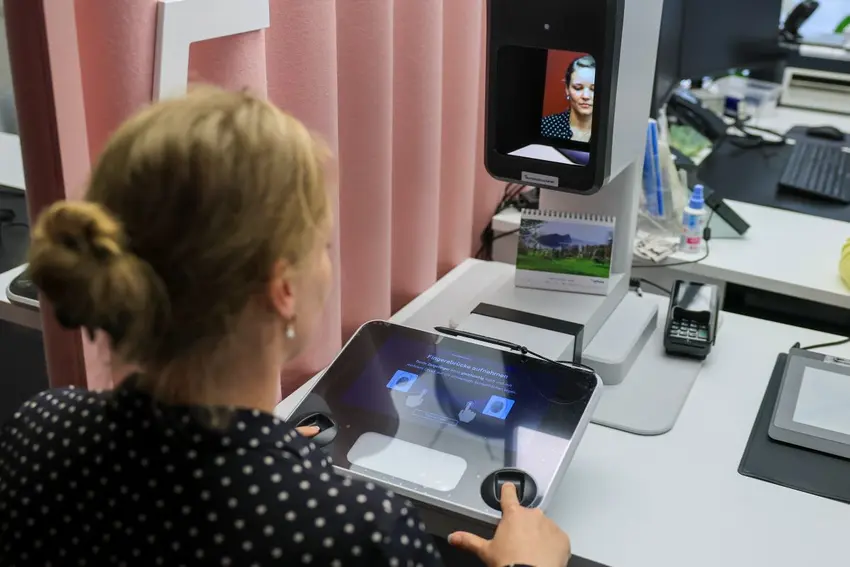
Since May 1st, Germany’s immigration and citizens’ offices have been required to accept digital photos for ID cards, passports and residence permits as part of the latest digitalisation efforts.
In practice that means that Ausländerbehörden and Bürgerämter around the country have been equipped with new photo machines where people can take their ID photos on-site for a fee. Alternatively, digital photos (taken at an off-site studio) can be submitted in the form of a scannable code.
The change was intended to help streamline the process of applying for a new ID. But it appears the transition to digital photos has not been perfectly smooth.
One week after the change was enacted, a Reddit post on the Berlin subreddit said that the new photo machines at offices in Berlin were not working. The author of the post suggested that people with appointments would be better off taking photos elsewhere in advance, and even bringing a printed backup just in case.
Comments on the post showed mixed responses: some users said they had indeed brought printed photos to their appointments (which had been accepted), a couple users said they had actually been required to provide physical photos, and at least one user said they had used a new digital photo kiosk with no problems.
As is so often the case with German bureaucracy, it seems that the smoothness of obtaining a digital photo depends on where you live - and is partly luck of the draw.
READ ALSO: What foreigners should know about Germany's digital ID cards and residence permits
With that in mind, we contacted immigration authorities in Berlin, Frankfurt, Munich and Düsseldorf to get a sense of how Germany’s latest digitalisation effort is playing out on the ground.
Berlin reports ‘no disruptions’ (but you can bring a printed photo just in case)
A spokesperson for Berlin’s immigration authority, the Landesamt für Einwanderung (LEA), told The Local there would be “no disruptions to service” following the changes implemented on May 1st.
However, they added that due to long appointment lead times many customers are still bringing printed biometric photos to their appointments, which are still accepted during the transition period.
As The Local has reported, local authorities have been given a transition period, or Übergangszeit, of three months (until July 31st) before they must switch to only accepting digital photos.
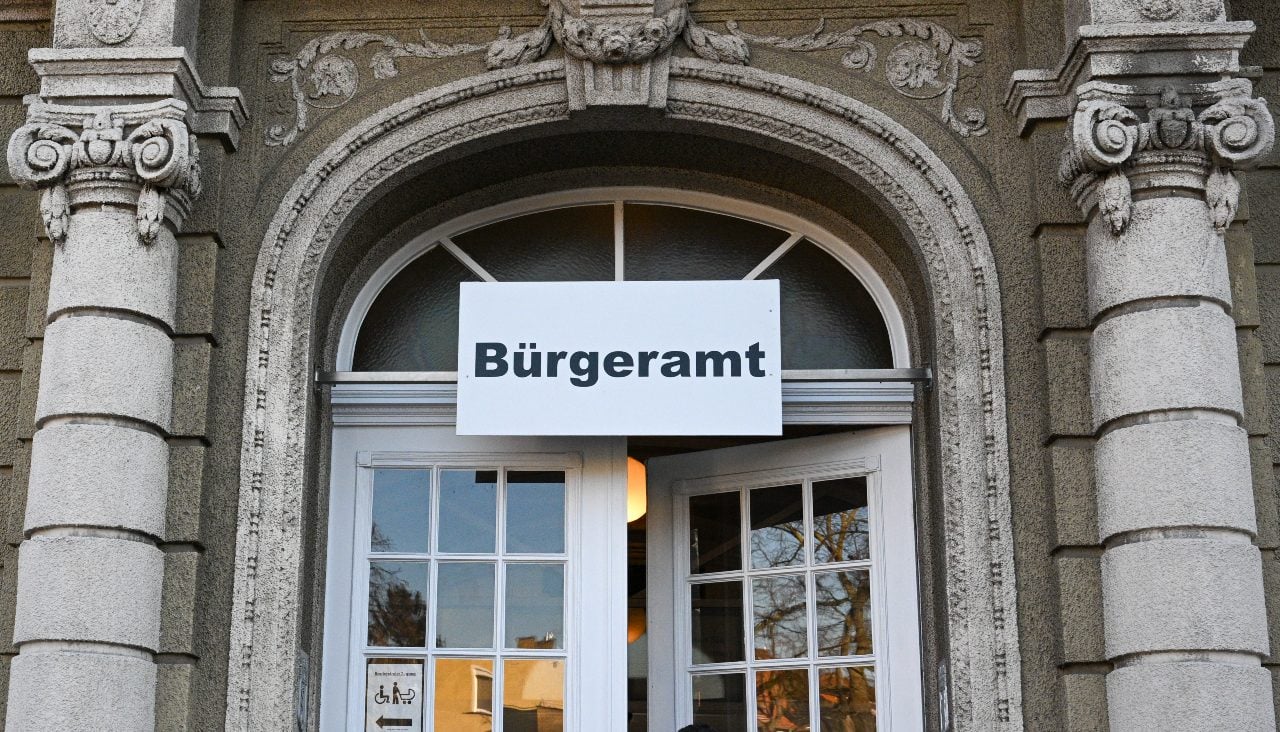
One commenter on the aforementioned Reddit post said they successfully used the on-site photo kiosk at the LEA office on Friedrich-Krause-Ufer.
The new photo kiosks, which should be available at all immigration and citizens’ offices in Germany by July 31st at the latest, are called ‘PointID’ terminals. They are set-up and maintained by the Federal Printing House (Bundesdruckerei).
READ ALSO: Berlin citizenship offices to offer drop-in appointments on May 14th
Frankfurt has yet to turn on the new photo machines
Asked if immigration offices in Frankfurt were having any issues with the PointID photo kiosks, a spokesperson for the City of Frankfurt told The Local the new photo machines were “not yet operational.”
They added that Frankfurt’s immigration office has six PointID devices, but none are currently in service.
These will presumably be working ahead of the July 31st deadline.
In the meantime, the immigration office in Germany’s banking capital continues to accept printed ID photos, which can be brought in from external photo studios or taken at a ‘Photo-fix’ machine on-site.
Customers with upcoming appointments at the immigration office can expect to be informed directly by the Ausländerbehörde ahead of their visit as to how the transition to digital photos is progressing.
REVEALED: The new flights from Frankfurt starting in spring 2025
Munich notes issues taking photos of babies on the new machines
A spokesperson for Munich’s District Administration Department (KVR), which is the city's security and regulatory authority, said that the immigration office as well as all citizens’ offices have been using PointID photo machines since May 1st.
“The launch went mostly smoothly,” the spokesperson told The Local, but they added that taking photos of babies and small children with the new machines “can sometimes be difficult”.
Therefore, the KVR asks parents of children under the age of six to have a biometric photo of their children taken in a certified photo studio before their appointment. A digital copy of these photos can then be retrieved directly from the cloud by case officers.
You can find links to certified photo studio locations in Munich in this update on the city website.
Düsseldorf is waiting on a software update
Similar to the situation in Frankfurt, a spokesperson for the city of Düsseldorf told The Local that the municipal immigration office there installed seven PointID photo machines, but that they are not yet in use.
"Full and successful commissioning has not yet been achieved because a necessary software update from the Federal Printing Office is still pending," the spokesperson said.
They added: "Despite repeated consultations with the manufacturer...no concrete date has yet been given for when successful commissioning can be expected."
People who have appointments in the capital of North Rhine-Westphalia can submit printed biometric passport photos until the PointID machines are made operational.
This article was updated to add comment from Düsseldorf.
Did you have a recent experience using a PointID photo machine at your local Ausländerbehörde or Bürgerämt? Let us know how it went in a comment below.
Comments (1)