
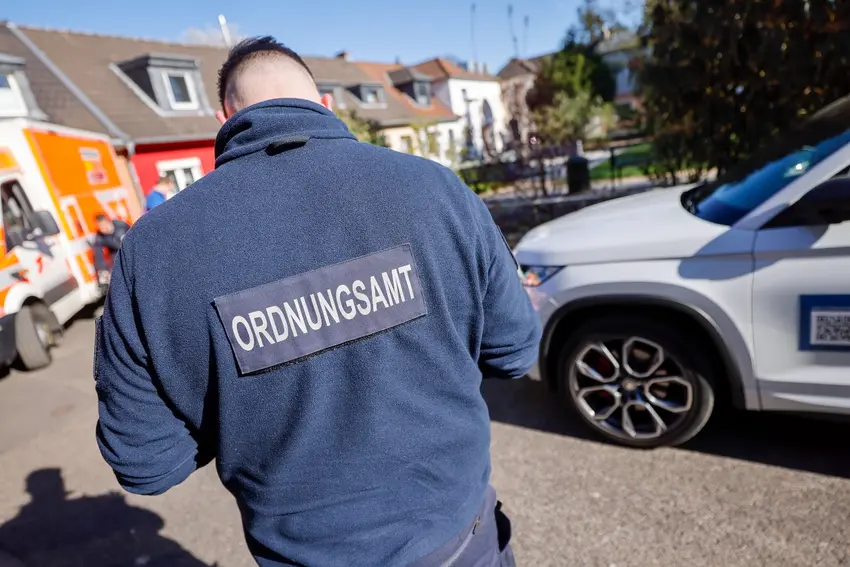
It’s a myth that Germans always follow the rules – but it is broadly speaking true that there’s a rule for everything in this country and that most people tend to know what they are. For newcomers, this sense of an underlying, all-pervading order can be intimidating.
Few people thrive in chaos – but the fear of breaking one of an apparently infinite number of rules can have a similarly paralysing effect. Am I making too much noise during Ruhezeit, Germany's regulated "quiet time"? (Invariably). Am I allowed to ride a bicycle across a zebra crossing? (Not if I want the cars to stop).
The first German phrase I learned after arriving in the country was, “Bist du Farbenblind?” (Are you colour blind?) – shouted when I crossed a road on a red man, by someone also waiting to cross while there wasn’t a moving car anywhere in sight.
There are plenty of people in Germany happy to take a direct hand in encouraging order. For everyone else, there’s the Ordnungsamt – an authority which, as far as I can tell, is entirely unique to the country.
“Ordnung muss sein” – what is Germany’s Ordnungsamt?
Roughly translated as "order" or "orderliness", there's a yearning for Ordnung in German culture. It’s reflected in the language. When someone wants to know if I’m O.K., they ask me whether alles ist in Ordnung. When my son asks me if he can play football after school, I tell him it’s in Ordnung.
This yearning finds its clearest expression in Germany’s “Public Order Office” - or Ordnungsamt - a regulatory agency whose representatives act as the state’s eyes and ears on the street.
Different states have different names for their local public order offices – including Ordnungsamt, Kommunaler Ordnungsdienst, Städtischer Ordnungsdienst, or Gemeindevollzugsdienst – but they all operate in much the same way.
Ordnungsamt officers issue warnings and fines (Bußgeld), but they’re not the police. They have no powers of arrest, and they arrive armed solely with forms and clipboards. Smaller towns and villages will usually have a single Ordnungsamt department, while larger cities will have several specialised units.
READ ALSO: 10 ways you will accidentally annoy your German neighbours
What exactly are they responsible for?
The following may vary slightly from state to state, and the size of the municipality, but the duties of your local Ordnungsamt will almost certainly include the following:
- Noise control: In particular, they focus on the sacred Ruhezeit, typically from 10 p.m. to 6 a.m. and all day on Sundays.
- Traffic and parking: The Ordnungsamt monitors vehicle safety, issues parking tickets, and ensures that public spaces such as malls, parks, and restaurants are accessible.
- Business licensing: The office issues licenses for businesses (including flea markets), and keeps a check on compliance with regulations related to hygiene, safety, and opening and closing hours.
- Public sanitation and behaviour: This includes clamping down on littering, illegal graffiti, and public urination. The Ordnungsamt also regulates and maintains public spaces such as parks and beaches.
- Animal control: Officers will enforce leashing laws, and can also take charge of re-homing and sheltering strays. The Ordnungsamt also regulates how long your dog is allowed to bark each day (not a second more than 30 minutes!)
- Environmental enforcement: Keeping the streets in a pleasant state by controlling waste management and noise pollution.
How seriously do I have to take them?
They’re not the police, but the Ordnungsamt does have the power to issue fines – and the non-payment of fines is potentially an imprisonable offence in Germany.
Many of these fines are set to rise substantially under the new coalition government, which has announced its determination to take a tougher approach on disorderly behaviour.
In Berlin, the fine for not removing dog faeces is set to rise from €55 to €80, the fine for throwing a cigarette butt, plastic bag, or disposable cup on the ground from €55 to €250, and the fine for the illegal disposal of bulky waste (sofas etc.) from €150 to €4,000.
At the time of writing, it’s not yet clear when the new penalties will come into force.
Killjoys or community guardians - weighing the evidence
Everyone has a story they like to tell against the Ordnungsamt, from the schoolgirl who was fined €15 for feeding the birds at a bus stop (who was actually just pulling the crusts off the sandwich in her lunchbox), to the picnic which was rudely interrupted when the hosts couldn’t produce paperwork demonstrating their hammock wouldn’t damage the bark of the tree it was hanging from, to the barber whose grand opening was ruined by an overzealous official insisting that a strip of red carpet on the pavement represented a potential safety hazard.
READ ALSO: 10 surprising German laws foreigners need to know
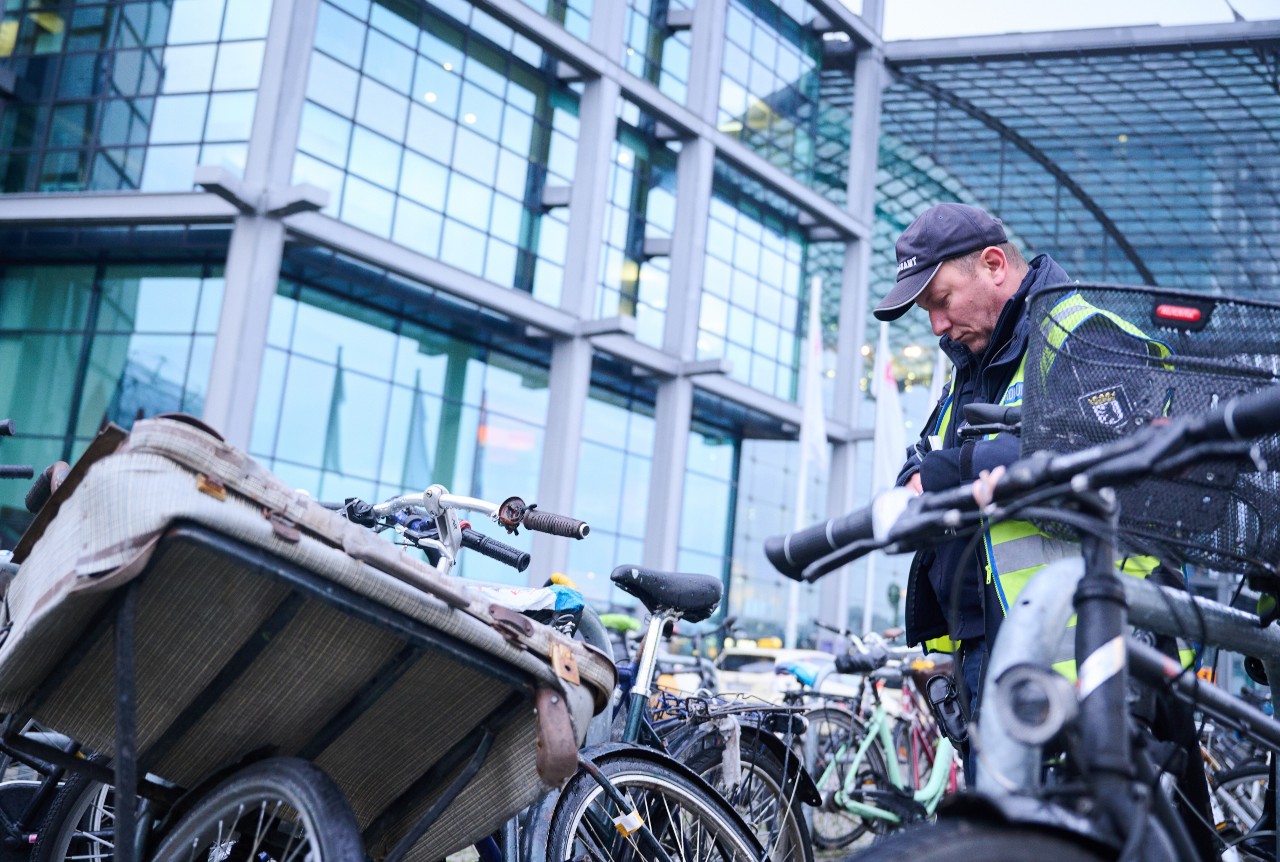
A small amount of power can be a dangerous thing in the wrong hands. Ultimately, however, most Germans seem to accept the presence of the Ordnungsamt as a force for good. While their methods may be overbearing, they are still credited with delivering major hygiene improvements among food vendors in Berlin, as well as a 20 percent reduction in noise complaints in Munich.
Germany’s Officers for Order are generally unpopular until you need them, in other words, when their ability to act as neutral mediators can be a huge help in finding ways to de-escalate conflicts and find peaceful solutions. (Or simply get your noisy neighbour upstairs to turn down the music on a Tuesday night.)
READ ALSO: How to deal with a noisy neighbour in Germany
As is generally the case in Germany, the Ordnungsamt isn’t known for its flexibility, however, and the concept of “mitigating circumstances” seems to be wholly alien. By all means try and talk your way out of a fine, but don’t expect to be successful.
They work for you – when and how to contact your local Ordnungsamt
Whether you love or hate the Ordnungsamt, if you’ve had to deal with the notorious private sub-contractors who check tickets on Berlin’s underground, you’ll have reason to feel grateful that its employees are still public servants.
If you want to challenge a fine, report a violation, or apply for a permit, you can find all the relevant contact details for your local office online, as well as a useful list of FAQs. There’s even an app for reporting potential violations.
It’s usually a good idea to make contact by phone or email at first. If you need to see someone in person, try and make an appointment first – and remember to go armed with your passport and any relevant paperwork.
READ ALSO: From nudity to BBQs - What you can and can't do on your balcony in Germany
Good luck in all your future dealings with the Ordnungsamt – and feel free to share tales of your own previous experiences with their representatives in the comments section below.
Comments