
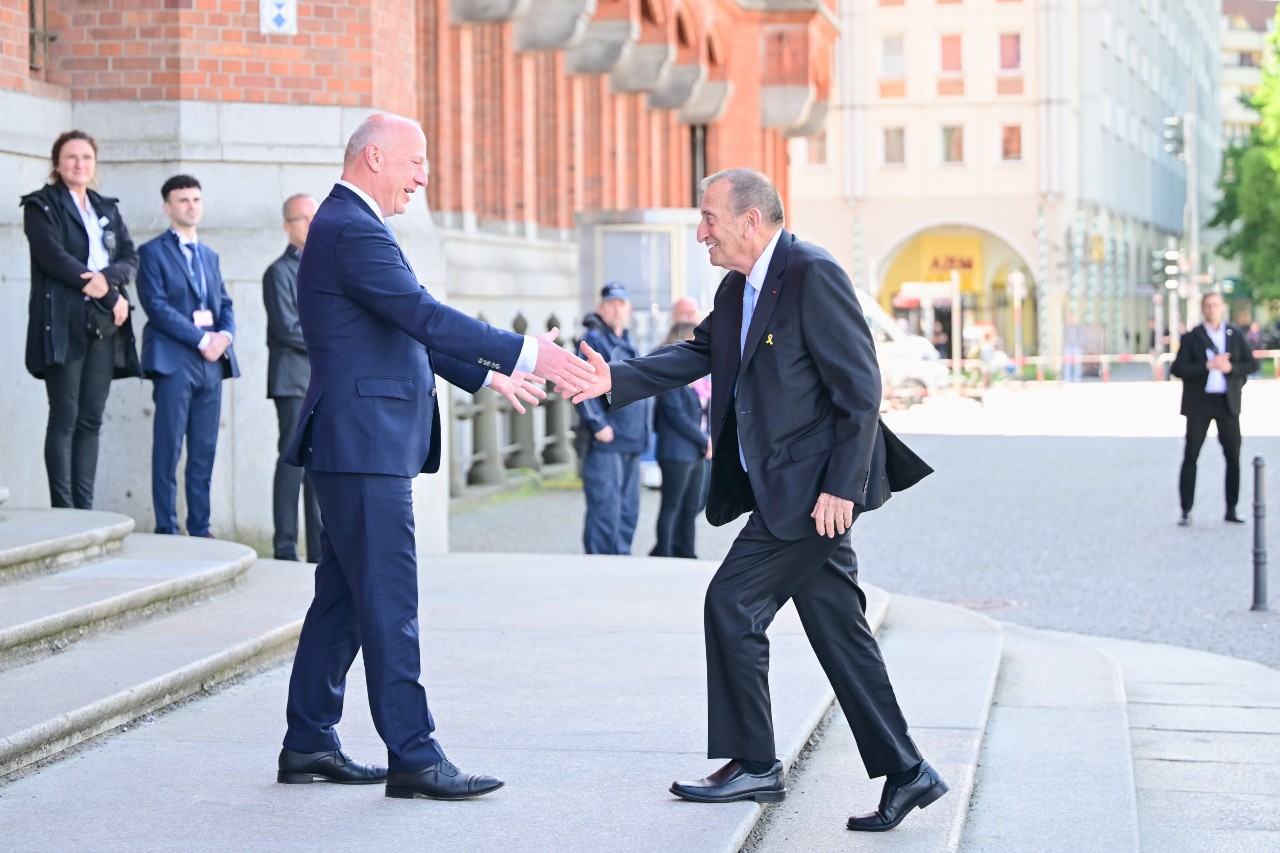
Berlin and Tel Aviv officially became partner cities on May 5th. The agreement, signed at a ceremony in Berlin by Mayor Kai Wegner and Tel Aviv’s Mayor Ron Huldai, is designed to deepen cultural, economic, and social ties between the two cities through joint initiatives, educational programs, and cultural events.
Speaking at the signing ceremony, Berlin Mayor Kai Wegner acknowledged the capital’s role in planning and carrying out the Shoah. “As a result,” he said, “Berlin has a special responsibility towards Israel and an obligation to protect Jewish life in Berlin.”
Ron Huldai, the Mayor of Tel Aviv responded by saying that “young Tel Aviv and historic Berlin are cities whose landscapes bear deep and complex scars. And yet, they are both committed to upholding liberty, democracy and tolerance.”
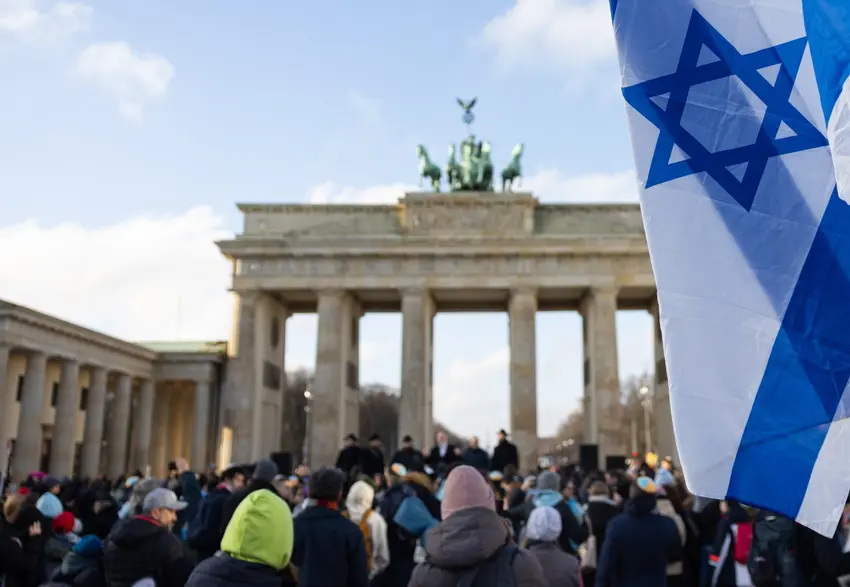
He concluded by thanking the city of Berlin for its “courageous and ongoing” fight against antisemitism: “You declared that the Israeli flag would remain above Berlin’s City Hall until all the hostages are home. We will never forget (this gesture).”
Is the decision controversial?
The decision to twin Berlin with Tel Aviv was unanimously approved by Berlin’s state parliament in March this year. Cross-party support from the CDU and SPD underscored the symbolic importance of the alliance, as well as Germany’s unequivocal support for the state of Israel.
Indeed, Tel Aviv is already twinned with several cities in the country, including Cologne, Freiburg, Essen, Frankfurt am Main and Bonn.
Berlin and Tel Aviv already have strong ties in business, science, and culture – and both have reputations for being youthful, creative cities – but the decision to formalise the relationship is unmistakably a gesture of solidarity with Israel.
Since the beginning of the war in Gaza, following the Hamas attacks on Israel on October 7th 2023, at least nine countries have recalled their ambassadors or severed diplomatic ties with Israel, including Brazil, Turkey, and South Africa. Israeli Prime Minister Benjamin Netanjahu currently faces an arrest warrant from the International Criminal Court (ICC) for the alleged perpetration of war crimes.
The Berlin senate has also been criticised for its heavy-handed approach to policing anti-war protests in the city and its threat to remove state funding from organisations critical of Israel’s actions in Gaza.
“Despite our solidarity with Israel, I view this partnership with mixed feelings,” Berlin's SPD deputy chairwoman Melanie Kühnemann-Grunow told taz. “We cannot turn a blind eye to the massive destruction in Gaza and the suffering of the civilian population."
However, "Tel Aviv stands for something else,” she explained, referring both to the protest movement in the Israeli city and its cultural similarities with Berlin.
Meanwhile, Ferat Koçak of Die Linke told the paper that an additional partnership with a Palestinian city “would be a genuine signal for peace.” The leftwing politician noted that his district of Neukölln is home to the largest Palestinian community outside Palestine itself, arguing that the views and perspectives of this community also needed to be taken into account.
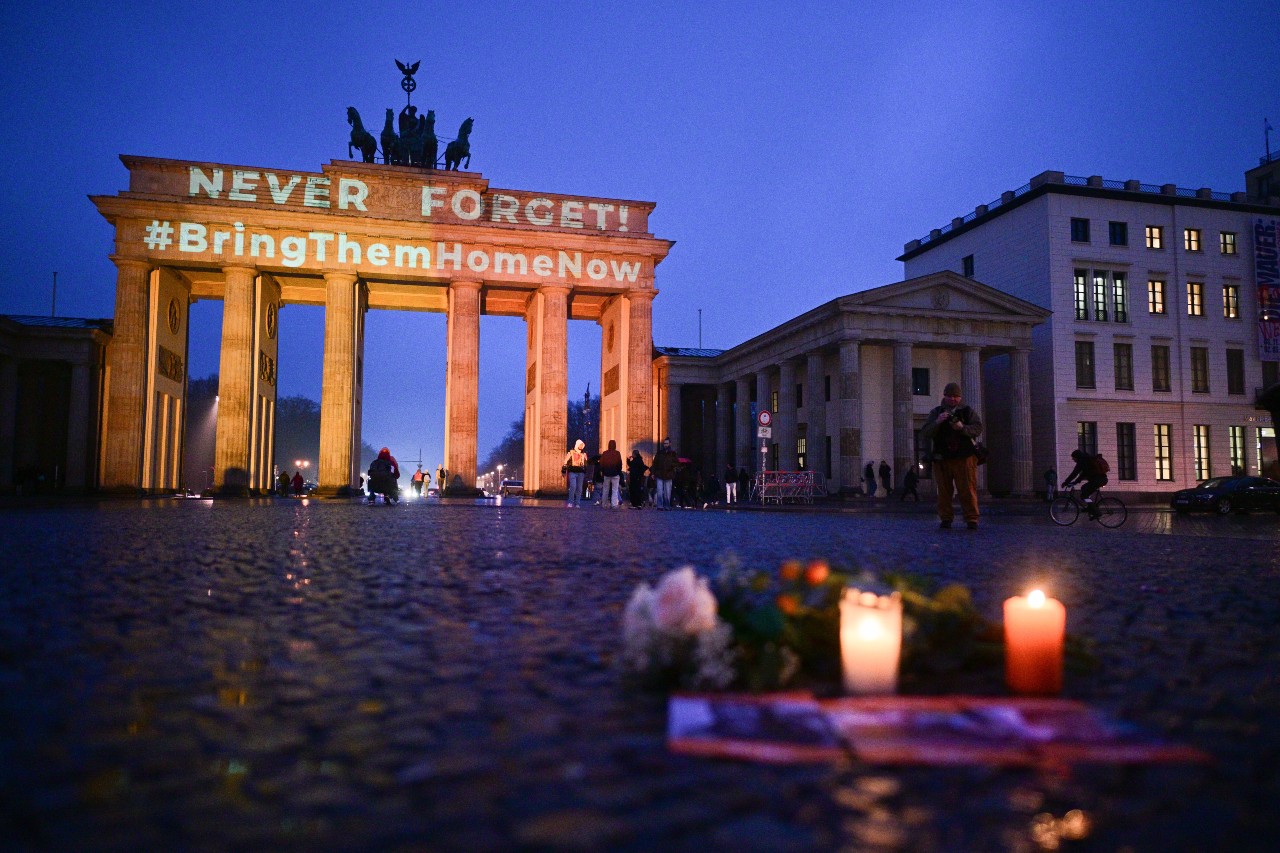
However, no protests have specifically targeted the twinning of the two cities. Instead, the partnership has been presented as a reaffirmation of Berlin’s historical responsibility and its commitment to diversity, tolerance, and the protection of Jewish life - particularly in the context of an increase in the number of antisemitic incidents recorded in the German capital.
According to Germany's Federal Association of Departments for Research and Information on Antisemitism (RIAS), more than seven such incidents were recorded daily during the first half 2024, a sharp rise on previous years. Around seven in ten (71 percent) of these were related to criticism of Israel.
Berlin and Tel Aviv – hopes for the future of the partnership
In Berlin, the primary hope is that the partnership will lead to real action on combating antisemitism in the city, via exchange, education, and community engagement. Initiatives like “Young Leaders for Change” already bring young people from Berlin, Tel Aviv and Kyiv together.
In future, the new partnership is expected to foster a greater number of similar exchanges, workshops, and collaborative projects.
Twinning towns and cities – a very short history
Paderborn in Germany and Le Mans in France were apparently twinned in 836 CE, but the tradition in its modern form appears to have been initiated in 1920 by soldiers from Keighly in the UK, who had been stationed in Poix-du-Nord during World War One. Having witnessed the near destruction of the French town, they petitioned their local council to draw up a twinning agreement as a gesture of solidarity.
The tradition took off in the wake of World War Two, in the hope that forming closer bonds between people from different communities would help promote peace. Over the years, “twinning” has yielded a surprising number of practical, as well as symbolic, benefits.
Numerous twinned towns shared equipment and know-how during the Covid pandemic, while Edinburgh in Scotland, which has been twinned with Kyiv for over 30 years, led the UK’s efforts to house and support displaced Ukrainians following the Russian invasion.
On a lighter note – the Scottish town of Dull (population 85) makes a good living as a tourist destination for residents of Boring in the US and Bland in Australia. The three towns, all twinned with one another, market themselves as “The Trinity of Tedium”.
Comments