
Friedrich Merz vows defence of Ukraine and democracy
European unity is "under threat" from Russia's war in Ukraine as well as the rise of the far right at home, incoming German chancellor Friedrich Merz said on Monday.
Merz's CDU/CSU alliance has sealed a coalition deal with the centre-left SPD after winning an election in February. His government is set to take office on May 6th.
Speaking at a party meeting in Berlin to sign off on the coalition contract, Merz said Germany was ready to "once again assume leadership responsibility" in the European Union.
He acknowledged there had been little "euphoria" so far greeting the coming change at the top, adding: "This is not the time for euphoria. The pillars we have relied on over the past years and decades are faltering around us".
Merz promised continued support for Ukraine, and also hinted (without saying directly) that Germany must also adapt to a new relationship with the US.
Merz said his goal remained to once more make the AfD "a marginal phenomenon", including by cracking down on irregular immigration and eliminating the "pull factors that still exist in Germany".
But he warned that unless the government meets the demands of most voters, then Germany could end up in a situation where "we are perhaps at some point no longer able to govern".
On Monday, the CDU and CSU announced their picks for the Union-run government ministries. The SPD, which has control of seven ministries, wants to wait until a members' vote on the coalition pact is concluded on Wednesday.
READ ALSO: Who is the new German minister in charge of immigration?
Night and weekend work common among German employees
More than a quarter of employees (27 percent) in Germany also work on weekends, according to figures from Germany's statistical office (Destatis).
In the hospitality industry, the proportion is particularly high at 70 percent, according to figures from 2023. This is followed by the arts, entertainment and recreation sectors (55 percent) and trade and automotive workshops with 47 percent each.
In these sectors, many workers do shifts on Saturdays. Overall nearly one in four workers in Germany works on Saturdays.
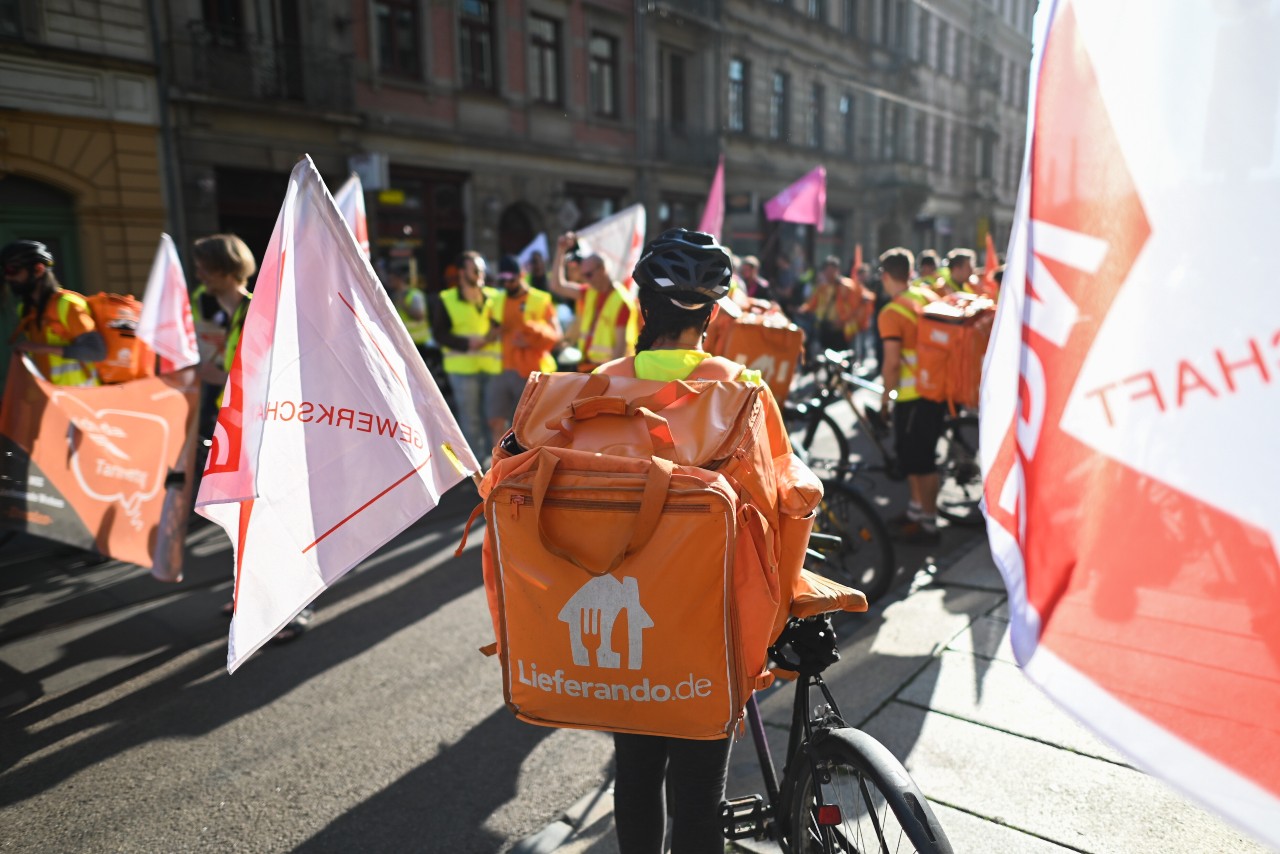
When it comes to the supposed Ruhetag (day of rest), 15 percent of workers, or one in seven, still occasionally work on Sundays. Around six percent of employees work on public holidays.
Destatis published this figures ahead of Labour Day, on May 1st, when many workers will have the day off and labour organisers typically rally for better working conditions.
READ ALSO: What's open and closed on May 1st in Germany
E-patient records launch at clinics around Germany
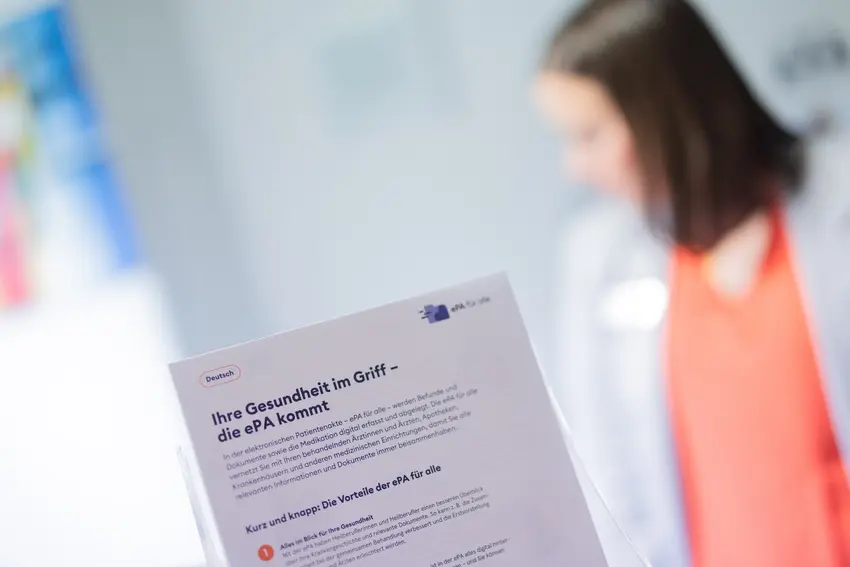
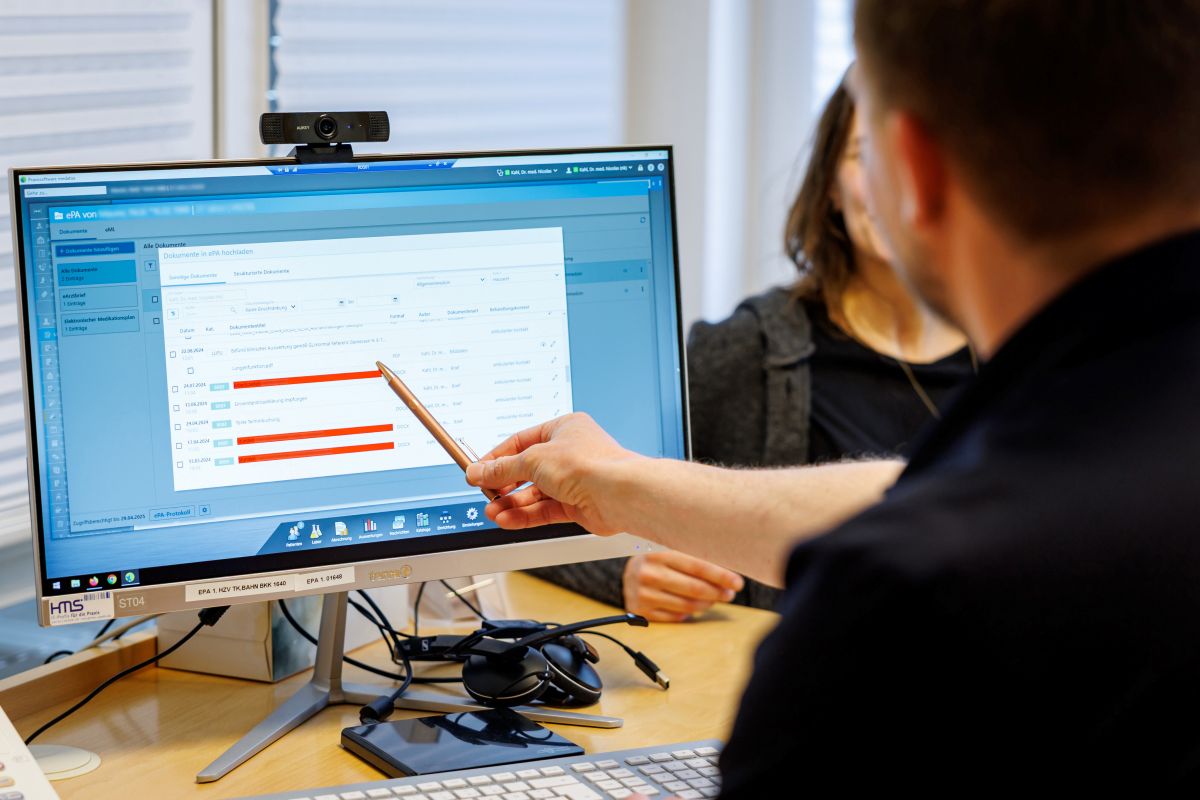
Starting on Tuesday, the electronic patient record (Elektronische Patientenakte or ePA) will be available throughout Germany, allowing doctors to review patient information through a secure digital database.
Spearheaded by outgoing Health Minister Karl Lauterbach (SPD), the project has been in the pipeline for several months. An earlier launch date was postponed for technical reasons.
Announcing the launch, Lauterbach said the ePA represented a ‘"turning point" in digitalisation.
"Patients finally have an overview of their data and findings," he said. "Doctors can make better decisions."
READ ALSO: Electronic patient records to launch in Germany from end of April
The primary aim of the electronic records is to improve medical care by ensuring doctors have full access to information on previous treatments and history. Patients can also access their records via the ePA app by using their electronic ID card or residence permit.
Though Tuesday marks the first major roll-out of the software, it will not be available in all clinics immediately. Participation in the digital system will be legally mandated from October.
Cost of camping holidays on the rise
Camping is becoming more and more popular in Deutschland - and the price of a night under the stars is going up accordingly.
Destatis recorded nearly 42.9 million overnight stays at Germany's campsites last year, a new record total. That's up 1.4 percent from the year before, and up by almost a fifth (19.9 percent) compared with the pre-Covid year of 2019.
Within the past twenty years, the number of overnight stays at campsites in the country has doubled. In comparison, the total number of overnight stays, including hotels and other lodging, rose by almost half in the period.
Increased demand for camping spots appears to have led to big price increases in recent years.
Citing Destatis, Tagesschau reported that in 2024, motorhome parking spaces were a good quarter (27.7 percent) more expensive than in the Covid year of 2020. The price increase for a simple tent campsite was only slightly lower (up by 24.6 percent).
READ ALSO: Five of the best camping regions in Germany
Defence firm Rheinmetall sees sales rise amid rearmament push
German defence group Rheinmetall has recorded a significant increase in sales in the first quarter of the year as European governments rushed to rearm.
Over the first three months of 2025, Rheinmetall made total revenues of €2.3 billion, up 46 percent on the same period last year.
The group's operating income, a closely watched measure of underlying profitability, likewise sat at €199 million, up 49 percent on 2024.
Both figures were considerably above market expectations, as European moves to rearm lifted the domestic defence industry.
US President Donald Trump's return to office at the beginning of the year has raised fears in Europe over the strength of Washington's security guarantees.
The uncertainty has pushed European government's to up their defence spending in the face of the potential threat from Russia.
In Germany, the incoming government has laid the ground for a massive increase in defence spending that could total hundreds of billions of euros.
Rheinmetall said it had seen orders through new and existing contracts almost triple to €11 billion in the first quarter.
The 181-percent rise compared with the same period last year was "primarily attributable to orders from Germany", the group said.
With reporting by AFP, DPA and Imogen Goodman
Comments