

Munich closes famous surfing wave after deadly accident
Following the fatal accident involving a female surfer on the Eisbach in Munich, the city's famous surfing wave has been closed until further notice.
Anyone found to be in breach of the rules will be fined up to €50,000, a spokeswoman for the Department for Climate and Environmental Protection announced.
The site was cordoned off with bars after the deadly incident occurred on Wednesday, with a ban on surfing issued by the fire brigade and later reinforced by the city council.
River surfing began in Munich in the early 1970s, when a group of surfers first illegally ventured into the Eisbach.
The area belonged to the palaces and lakes administration, which banned surfing for safety reasons.
Eventually, the land was transferred to the city, which has tolerated surfing "at your own risk" since 2010. This has turned the site into a world-famous magnet for tourists.
One in six deaths on German roads is a cyclist
One in six road fatalities in Germany last year involved a cyclist, according to preliminary figures from the Federal Statistical Office (Destatis). In 2024, a total of 441 cyclists died in traffic accidents - a slight decline compared to 2023, but an increase of 11 percent compared to ten years ago.
According to Destatis, cars pose the greatest risk to cyclists: 71 percent of the 92,882 bicycle accidents with injuries involved collisions with motor vehicles. In these incidents, car drivers were found to be primarily at fault in 75 percent of cases.
Older cyclists are particularly vulnerable. Almost two-thirds of those killed on bicycles were aged 65 or older. The rise in e-bike use has contributed to this trend, with 43.5 percent of all cycling deaths occurring on motorised vehicles.
In total, 192 e-bike riders died in 2024 - nearly five times more than a decade ago.
The statistics on cycling fatalities buck the trend of overall traffic accidents, which have been declining over the past decade. Researchers believe this could be due to the rising popularity of e-bikes.
READ ALSO: Will Germany's motorists and cyclists ever learn to live with each other?
Harz Mountains affected by severe storms
A thunderstorm with heavy rainfall flooded roads and caused extensive damage in the north of the Harz region on Wednesday and Thursday.
Tagesschau reported that local fire brigades were called 450 times on Wednesday evening to respond to flooded roads and mudslides. As of Thursday morning, one person was injured.
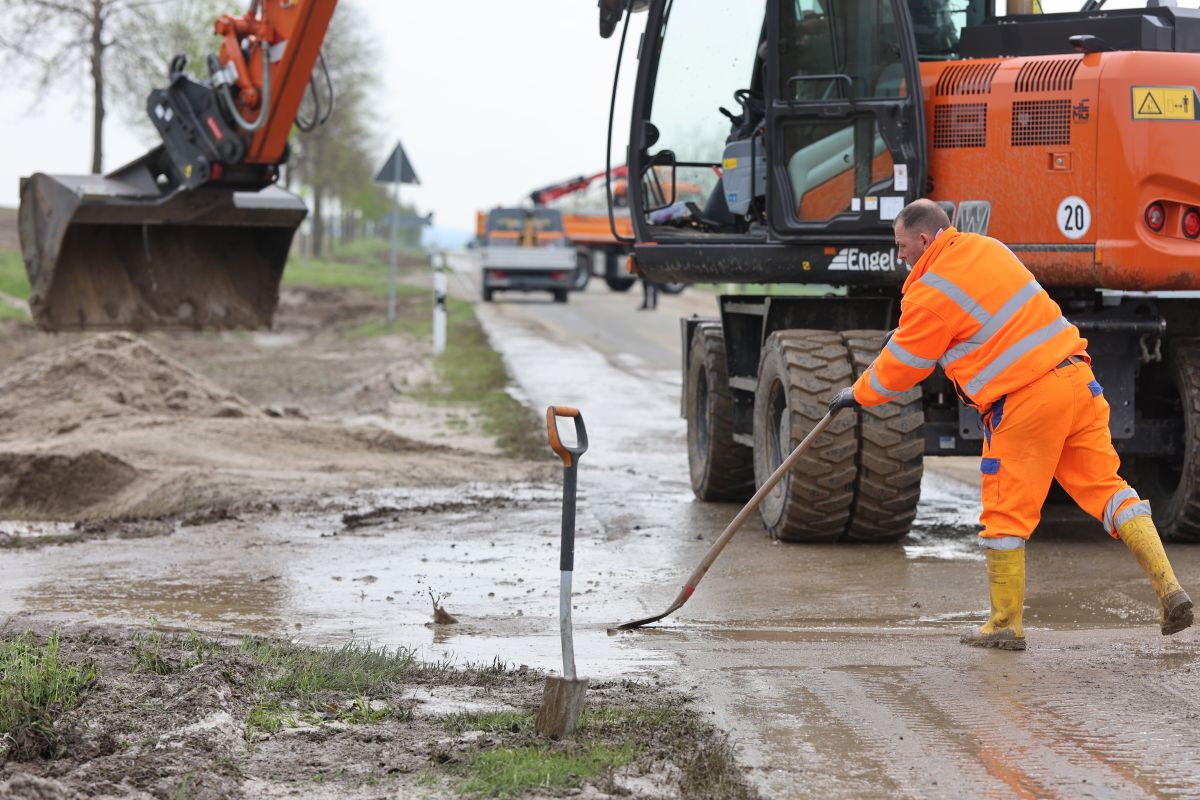
Streets around Osterwieck and Dingelstedt were severely affected, with some places under as much as a metre of water at times.
There was also thick layers of ice reported in places where large amounts of hail fell.
READ ALSO: Germany sees 'worrying' record dry spell in early 2025
Growing number of young people without qualifications
The number of young people in Germany without vocational qualifications has risen significantly over the past decade, according to a new study by the Institute for Employment Research (IAB).
Among 20- to 34-year-olds, the share without formal training increased from 9.9 percent in 2013 to 13 percent in 2023 - a jump of more than three percent.
Overall, the number of people in the labour force grew by 880,000 to 12.1 million between 2013 and 2024. At the same time, 1.6 million individuals without vocational qualifications were employed in Germany last year - 460,000 more than a decade earlier.
The IAB attributes this trend partly to immigration. Among people from asylum-seeking countries such as Afghanistan, Syria, and Somalia, nearly 45 percent lacked qualifications.
READ ALSO: Can you get a job in Germany without German language skills?
The most significant increase, however, was among immigrants from other EU countries, where the share rose by 6.8 percentage points to 22.3 percent.
Among Germans alone, the rate climbed slightly, from 8.5 to 9.6 percent.
Germany criticises Tunisia's mass trial of opposition figures
Germany on Thursday criticised Tunisia over its handling of a mass trial which saw lengthy jail sentences meted out to around 40 defendants, including vocal critics of President Kais Saied.
"The manner in which the trial was conducted was not in keeping with the accused's right to a fair and independent trial," a German foreign ministry spokeswoman said in a statement.
The ministry said it regretted the "exclusion of international observes from the final day of the trial" last week, including representatives from the German embassy in Tunis.
A Tunisian court on Saturday handed down sentences of between 13 and 66 years to defendants accused of "conspiracy against state security" and "belonging to a terrorist group".
Among those sentenced were well-known opposition figures, lawyers and business people, some of them already behind bars, while others have been living in exile.
Lawyers representing the accused and their relatives have denounced the trial as "fabricated" and "unfounded", and pledged to appeal the rulings.
Since Saied launched a power grab in the summer of 2021 and assumed total control, rights advocates and opposition figures have decried a rollback of freedoms in the North African country where the 2011 Arab Spring began.
Researchers seek German citizens with migration backgrounds to interview
Researchers at the German Centre for Integration and Migration Research (DeZIM) are looking into ancestry-based citizenship and how it may impact the future of Europe.
To this end, DeZIM researchers are actively seeking interviews with people of migrant backgrounds who have become German citizens.
Specifically, they are looking for people with family backgrounds in Central Asia, Eastern or Southeastern Europe who have acquired German citizenship on the basis of their family.
More information can be found here.
With reporting by DPA and AFP
Comments