
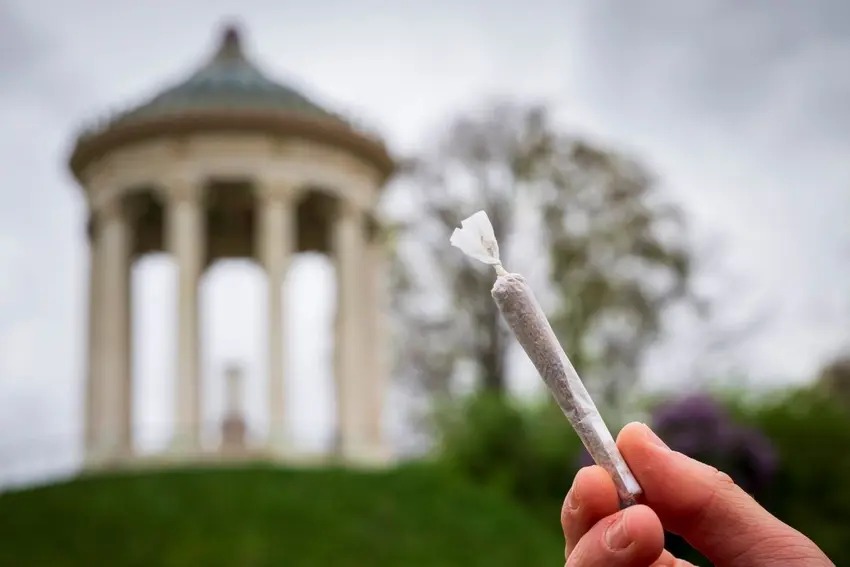
Bavaria’s first three cannabis clubs got the official go-ahead from the state’s regulatory authorities.
In the districts of Rosenheim, Bad Kissingen and Freising, three non-commercial associations may begin growing cannabis and distributing it to members for recreational use, as is permitted under Germany’s cannabis legalisation act, which was enacted on April 1st last year.
The legalisation of cannabis use in Germany remains controversial, and perhaps nowhere more so than in the socially conservative “Free State” of Bavaria. Soon after legalisation passed at the federal level, Bavaria exercised its state authority to ban cannabis use at beer gardens, public festivals, and other public spaces. Members of the state’s Christian Social Union (CSU) party campaigned against legalisation, and have since vowed to try and repeal it.
READ ALSO: One year on - What does the future hold for Germany's cannabis legalisation law?
Begrudging approval
The Bavarian Ministry of Health (LGL) told BR24 that the three cannabis clubs had been approved “due to unavoidable legal constraints”. But other comments by the head of the LGL suggest the ministry was not happy to do so.
Bavaria's Health Minister Judith Gerlach (CSU) has reportedly emphasised that a cultivation permit does not give the clubs permission to distribute cannabis immediately. She says that the LGL will still need to review security measures in the clubs, and mentioned “close controls” by the state authority after the clubs have begun cultivation.
Gerlach added that the permits being granted does not change the state’s goal to see "the legalisation of cannabis for consumption purposes withdrawn by the new federal government".
Conservative leadership in Bavaria led the charge on pressuring the incoming federal government to repeal cannabis legalisation, but was unable to get the policy into the coalition agreement between the Union parties (CDU/CSU) and the Social Democrats. Instead, the government has scheduled an evaluation of the policy for later this year.
EXPLAINED: What Germany's new coalition pact means for foreign residents
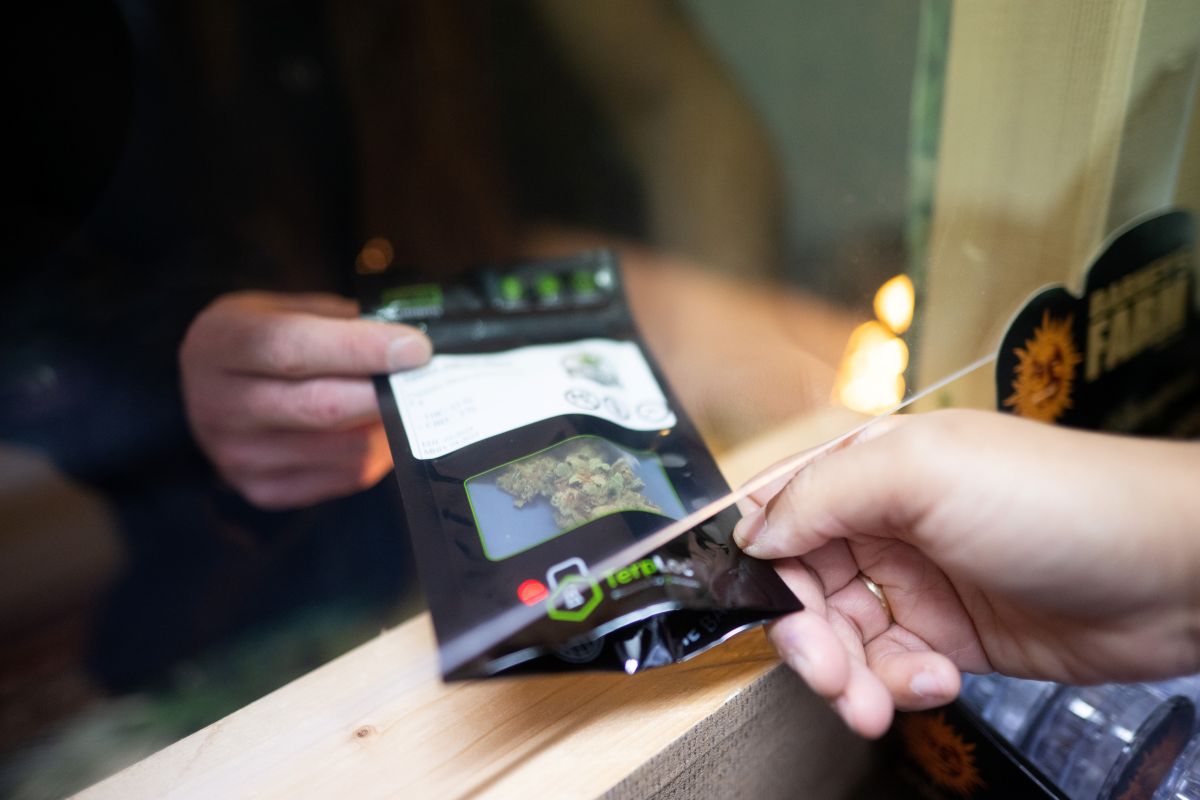
Cannabis clubs held back by bureaucratic obstacles
As well as permitting the possession of cannabis and cultivation for personal use at home, the cannabis bill included provisions for the establishment of cannabis clubs. Since July last year, special clubs can be set up for growing and selling cannabis to members, who need to be adults over 18.
But the power of regulation over these clubs was largely given to Germany’s state governments, which means that the rules for applying for a business permit and setting up a club vary across regions - and some states seem to have given would-be club operators the run around.
Regional media outlet BR24 reports that, as of April 1st, not a single cannabis club was approved in Bavaria even though the LGL had received 37 applications for a permit. Of those applications, one had been rejected and eight had been withdrawn.
Now, more than nine months after cannabis clubs were given permission to launch at the federal level, the first three have been approved in the southern state.
READ ALSO: Is Germany ready for the arrival of cannabis clubs?
The case for and against legalisation
Advocates for legalisation of recreational cannabis use often cite research that points to the drug’s medical or therapeutic applications, as well as research that it is less harmful than alcohol. The broad general argument is that by legalising and regulating cannabis, the state makes its use safer for adults who would use it anyway, while simultaneously tapping into a new source for tax revenue.
Arguing against legalisation, conservative leaders such as Gerlach have repeatedly suggested that allowing cannabis use is “wrong” and works against state efforts toward “the protection of health and young people”.
Findings from the German Survey on Smoking Behavior (DEBRA study) have so far found no immediate shifts in consumption behavior following legalisation.
According to the crime statistics for Bavaria, the number of drug-related criminal cases have decreased since legalisation, with cannabis-related cases dropping more than 50 percent. Of course, the decrease is mostly explained by the fact that people are not being prosecuted for what is now legal cannabis use.
Since legalisation there has been a notable increase in medical cannabis imports into Germany.
Comments