
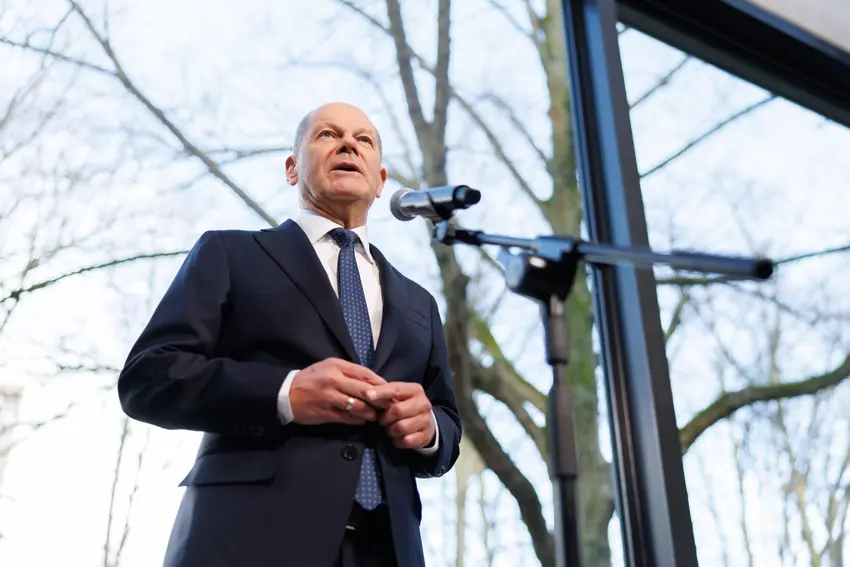
CDU/CSU and SPD to resume talks on Monday evening
After a short break on Sunday, CDU, CSU and SPD are continuing their coalition negotiations on Monday evening at the CDU headquarters in Berlin.
According to CSU regional group leader Dobrindt, smaller rounds of ‘problem-solving’ are to take place beforehand as the parties try to solve key differences.
Though the potential coalition partners have cleared a number of policy hurdles, disagreements remain on federal finances, tax and economic policy as well as ways to curb illegal migration.
Speaking to the media over the weekend, senior SPD members praised the tone of talks so far.
"The talks are characterised by great respect and a genuine will to shape the future," SPD General Secretary Matthias Miersch told the Rheinische Post newspaper. "We will continue in this spirit."
Mecklenburg-Western Pomerania's Minister-President Manuela Schwesig (SPD), who is also a member of the group of top negotiators, described the talks as "constructive" and praised the atmosphere in negotiations.
READ ALSO: From citizenship to renting - What to expect when Germany's coalition talks conclude
"Of course, the CDU/CSU and SPD have very different positions in some areas," Schwesig said. "But in my view, there is a willingness to reach good compromises."
A 19-member steering committee, which is formed of executive party members, kicked off the final phase of negotiations at the SPD headquarters on Friday and Saturday.
Despite major disagreements on taxation in particular, CSU Markus Söder assured ARD that negotiators had already got the "hard part" out of the way.
German skilled trades association warns against minimum wage hike
The president of a major German skilled trades association has warned against plans to raise the minimum wage to €15, claiming it could mean the “silent death” of skilled trades in Germany and that some companies would be rendered unprofitable.
Jörg Dittrich, President of the German Confederation of Skilled Crafts, has said the SPD's demand for a minimum wage hike from the current €12.82 to €15 per hour from 2026 would be problematic for trades.
“Even before the minimum wage commission has negotiated with each other, a demand has already been made by politicians,” Dittrich told Bild am Sonntag.
“A minimum wage that is too high further reduces competitiveness."
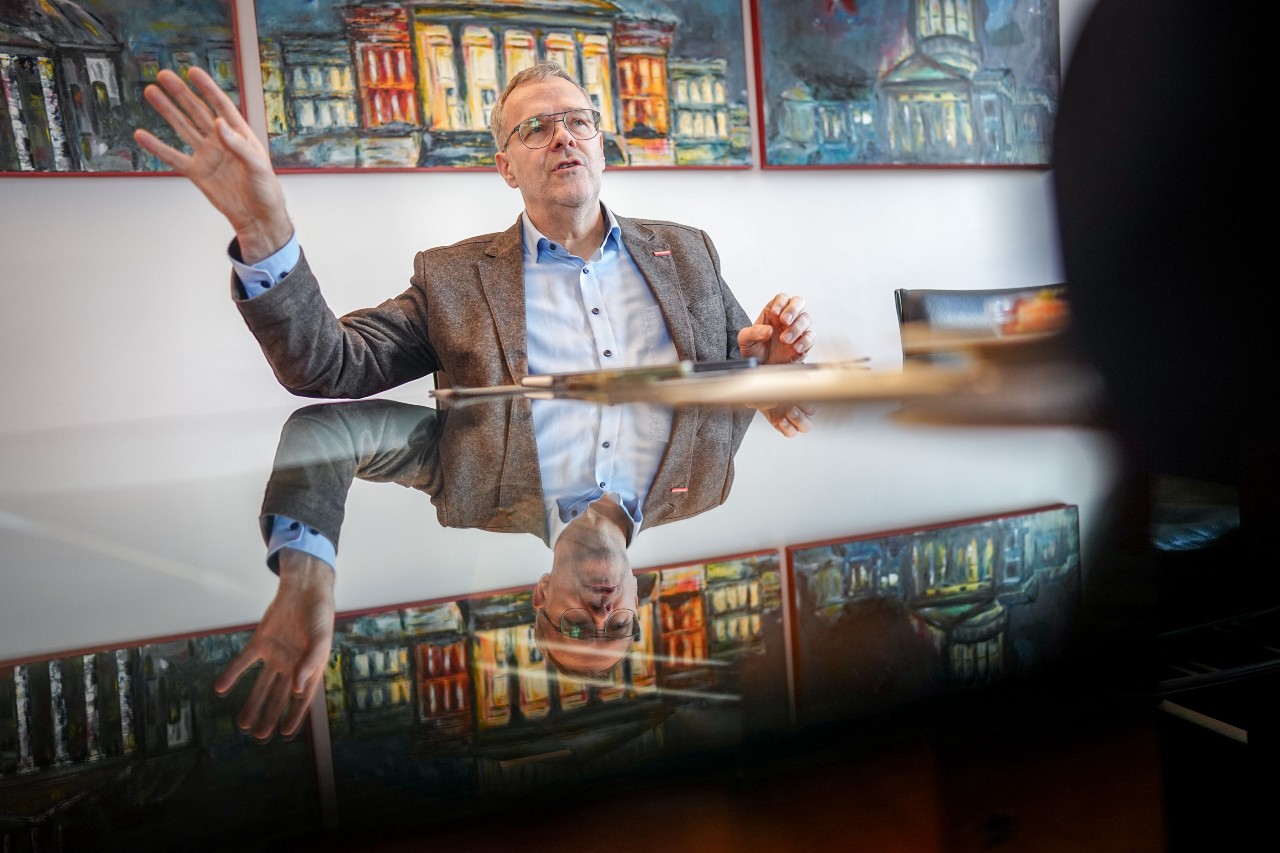
As a result, Dittrich warned, there is also risk of job losses: “There wouldn't be waves of layoffs in the craft trade sector, but there is a silent death because master craftsmen are saying, ‘It's no longer profitable, I'll just lock the shop door’.”
An increase in the minimum wage could also mean prices rises in skilled crafts services, he added. “Without exaggerating, we can say that one euro more in wages easily means €2.50 to €3 in prices.”
EU open to 'compromise' on US tariffs, says Scholz
Outgoing Chancellor Olaf Scholz said on Sunday that the EU would respond firmly to tariffs announced by US President Donald Trump but stressed the bloc was also open to compromise.
"It is clear that we, as the European Union... will react clearly and decisively to the United States' tariff policy," Scholz said ahead of the opening of a trade fair in Hanover.
But the bloc was "always and at all times firmly prepared to work for compromise and cooperation", he said.
"I say to the US: Europe's goal remains cooperation. But if the US leaves us no choice, as with the tariffs on steel and aluminium, we will respond as a united European Union," Scholz said.
Trump has announced sweeping tariffs on the United States' allies and adversaries, including a 25-percent levy on auto imports starting next week.
READ ALSO: How will Trump's car tariffs impact Germany?
A 25-percent US tariff on steel and aluminium from around the world came into effect in mid-March, with EU countermeasures set to begin in April.
As a major car manufacturer and exporter, Germany could be hit particularly hard by the auto tariffs and they were the subject of a visit to Washington by Finance Minister Jörg Kukies last week.

Germany has vowed a tough response to the tariffs, with a government spokesman insisting that "nothing is off the table".
Scholz on Sunday also insisted Canada was an independent country, responding to repeated comments by Trump that it should become the 51st US state.
"Canada is a proud, independent nation, Canada has friends all over the world and especially here in Germany and Europe," he said at the Hanover trade fair.
Canada is a special guest at the event, which officially opens on Monday.
More than 1.2 million people on basic security benefits
At the end of 2024, over 1.2 million people in Germany were receiving basic security benefits due to old age or permanent reduced earning capacity, according to the Federal Statistical Office. This marks an increase of around 49,000 individuals, or four percent, compared to the previous year.
Adults who are permanently unable to support themselves due to disability, illness, or insufficient income and assets are eligible for these benefits.
The rise was driven primarily by an increase in recipients of old-age basic security.
READ ALSO: No 'spring revival' for Germany as unemployment rises
In December 2024, approximately 739,000 people received financial support in their senior years - a 7.1 percent increase year-on-year. This group accounted for nearly 59 percent of all beneficiaries.
The retirement age for receiving basic security has been gradually increasing to 67 for those born in 1947 or later. In December 2024, it stood at 66.
Meanwhile, the number of people on permanent disability benefits remained unchanged from 2023 at 522,000 recipients. This accounts for 41.4 percent of basic security recipients.
The number of Ukrainian refugees receiving basic security also grew significantly, from 87,000 in December 2023 to around 99,000 a year later - a 14.6 percent rise. This had a notable impact on last year's figures, statisticians explained.
Comments