

CDU, CSU and SPD start next phase of coalition talks
After concluding the first phase of formal negotiations on Monday, the CDU/CSU and SPD are set to enter the final phase in building a new German government from Friday.
At the start of the week, 16 working groups had concluded their talks and issued a number of recommendations on various policy areas, as well as detailing points of contention.
Following a three-day review of the drafts, a 19-person round table chaired by the four party leaders is now tasked with ironing out the remaining disagreements.
Using the working group proposals, Saskia Esken, Friedrich Merz, Lars Klingbeil, Markus Söder will aim to cobble together a final programme for government.
READ ALSO: TIMELINE - How soon will Germany get a new government?
Over the next week or so, meetings of the steering committee will take place at alternating party headquarters: the CDU's Konrad Adenauer House, the SPD's Willy Brandt House and the CSU's Bavarian state office in Berlin. The talks will kick off at the Willy Brandt House on Friday afternoon.
According to reports in the German media, a number of sticking points remain, particularly in taxation, migration, energy policy, rent controls and pensions.
German police ask medical doctors for info on far-left militants
German police searching for two former members of the far-left Baader-Meinhof gang appealed for information Thursday from medical professionals who may have treated the ex-militants.
Burkhard Garweg, 56, and Ernst-Volker Staub, 71, were part of the radical anti-capitalist group also known as the Red Army Faction (RAF), which carried out killings, bombings and kidnappings mainly in the 1970s and 1980s.
Police said the two men -- who are also accused of being part of a trio that has robbed cash transporters and shops to finance their retirement -- were thought to have visited private doctors and paid in cash.
Police also said they believed that Staub "wears glasses and may therefore have visited ophthalmologists or opticians".
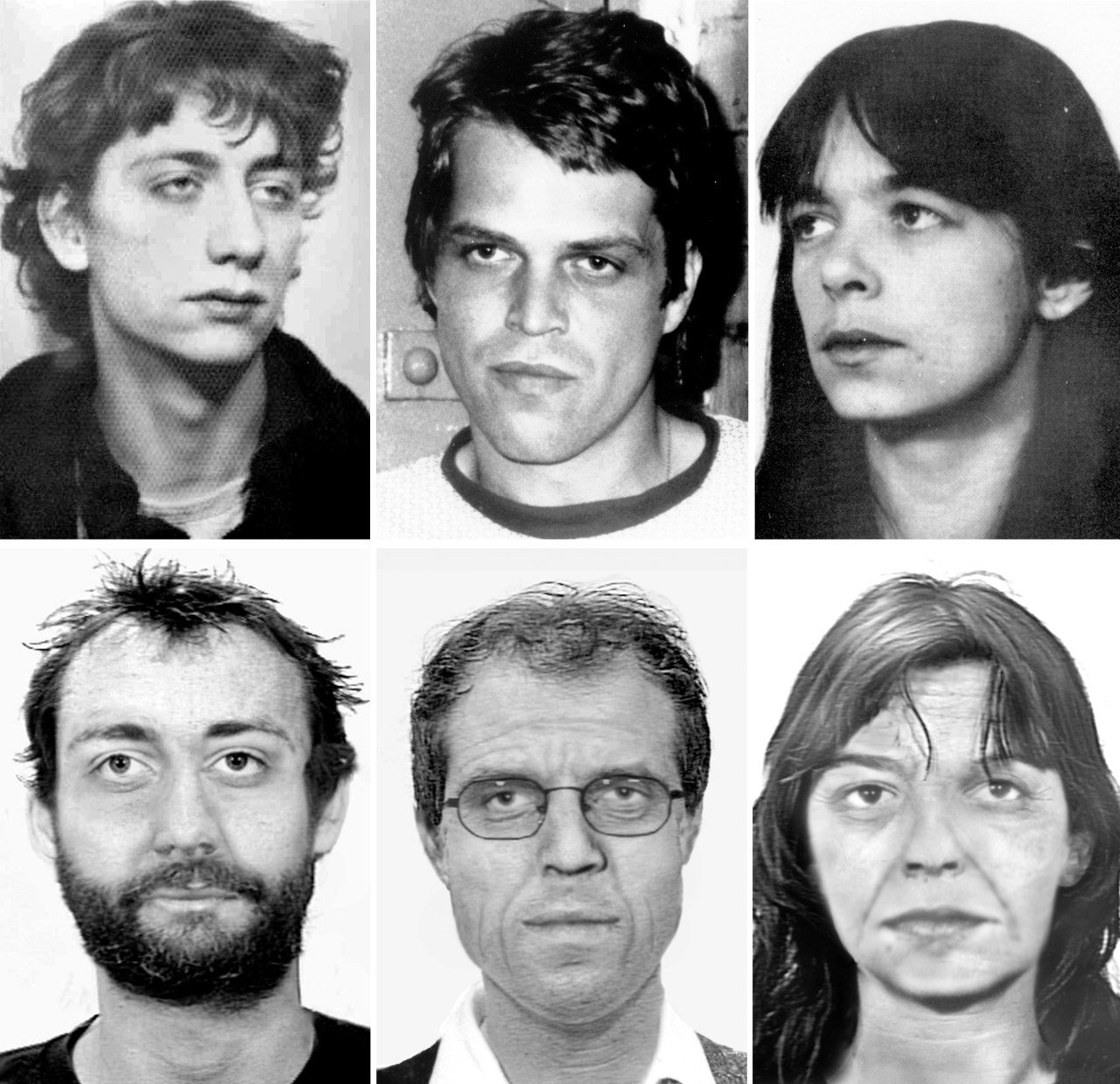
They released fresh images thought to be of Staub dating from 2006, depicting a man smiling at the camera with thick stubble and unkempt hair.
He was thought to have used the name Peter and a series of other aliases to rent apartments and buy cars, police said.
The third alleged member of the trio, Daniela Klette, 66, went on trial this week after her arrest last year in Berlin's Kreuzberg district, where she had apparently been hiding in plain sight for two decades.
She has also been formally arrested on suspicion of taking part in three politically motivated attacks allegedly carried out by the trio in the 1990s, being dealt with in separate proceedings.
READ ALSO: German left-wing militant goes on trial after decades on the run
Faeser calls off trip to Syria amid terrorism threats
After being advised of a planned attack, Interior Minister Nancy Faeser (SPD) and her Austrian counterpart, Gerhard Karner, have cancelled a planned trip to Syria at short notice.
"Due to the very urgent threat of terrorism, we have carefully weighed up what it means for the safety of those accompanying us and have come to the conclusion that it would be better to cancel the trip," Faeser said in Amman on Thursday.
An air force aircraft was to have taken the acting minister and her delegation from Jordan to Damascus on Friday morning. According to Faeser, the trip is to be rescheduled, but a new date has not yet been set.
"Due to concrete warnings from the German security authorities about a terrorist threat, Federal Interior Minister Faeser has cancelled a trip to the Syrian capital Damascus planned for this morning before departure from the Jordanian capital Amman," said a spokesperson for the ministry.
Faeser made the decision together with Karner.
READ ALSO: Germany reopens its embassy in Syria
The minister has been in Jordan since Wednesday. During the trip, she has visited the Saatari refugee camp for Syrian asylum seekers and discussed the possibility of Syrians voluntarily returning to their homeland after the overthrow of dictator Bashar al Assad.
Trump's tariff announcement has investors in Germany nervous
Germany's leading stock market index, DAX, was in the red all Thursday following the announcement that the US would put a 25 percent tariff on all imported cars and car parts.
Tagesschau reported that it hit a daily low of 22,472 points, almost exactly 1,000 points below the recent record high that was reached after the new government investment package was announced.
German automakers are well-represented in the DAX, which consists of the 40 largest companies traded on the Frankfurt stock exchange.

Companies like Volkswagen, Mercedes-Benz and BMW appear to be particularly vulnerable to the looming tariff, as they import a large percentage of the cars that they sell in the US.
READ ALSO: How will Trump's car tariffs impact Germany?
German churches lost one million members in 2024
The two major churches in Germany together lost more than one million members last year, Deutschlandfunk reported on Thursday, citing figures from the Protestant Church and the Catholic Bishops' Conference.
At the end of 2024, just under 38 million people still belonged to one of the two churches whereas one year earlier they counted 39 million members.
People appear to be actively leaving the church. Both churches recorded well over 300,000 resignations. However, the number of resignations has gone down since 2023.
German air force wards off Russian reconnaissance plane
A Russian reconnaissance aircraft approached northeastern Germany on Thursday before it was escorted away by fighter jets, the German air force said.
The air force said on its Whatsapp communication channel that its Quick Reaction Alert (QRA) was activated at the Laage airbase near Rostock, on the Baltic coast in the northeast.
"The reason was an unknown aeroplane over the Baltic Sea, which was flying without a flight plan or activated transponder," the air force said in the message, which confirmed an earlier press report in Bild.
German Eurofighter jets were scrambled to identify the Ilyushin Il-20 reconnaissance plane, which was subsequently "escorted" back towards the Russian exclave of Kaliningrad, from where it was first tracked.
Bild said the Russian aircraft was found early Thursday east of the German Baltic island Rugen from where it was heading towards "German air space".
The fact that the aircraft's transponder was deactivated presented "a considerable danger to civilian air traffic," Bild said.
Military sources quoted by Bild said that Russian reconnaissance planes were occasionally identified off the German coast.
Many NATO nations have a QRA system to help protect their air space.
Tensions over the Baltic Sea have heightened since Russia's full-scale invasion of Ukraine in 2022.
With reporting by Paul Krantz, DPA and AFP
Comments