
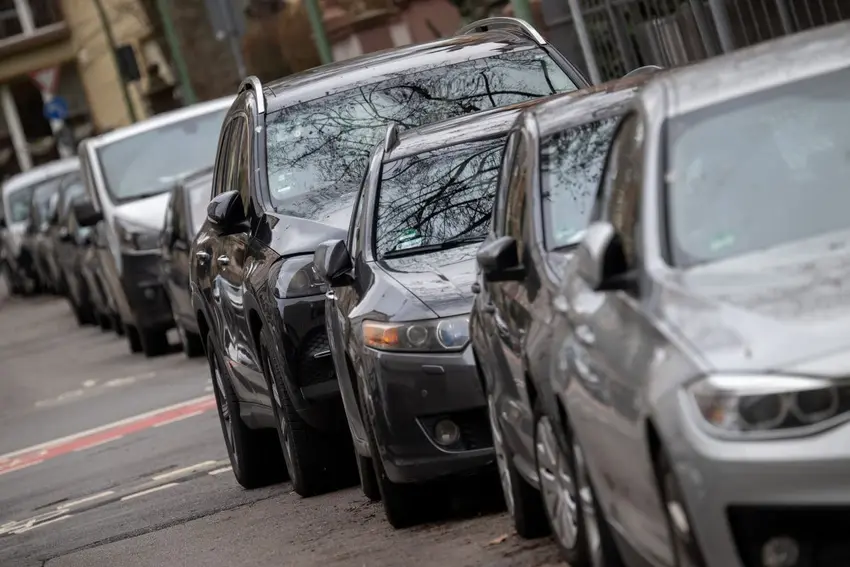
Cars are getting bigger in Germany, as they are also across Europe and in the US and pretty much everywhere.
Sometimes referred to as "car bloat" or "autobesity", the average size of passenger vehicles has grown as the popularity of sport utility vehicles (SUVs) has grown.
The average new car weighs 1,632 kilograms, according to a recent report by Der Spiegel, which is almost a fifth more than 20 years ago.
This is largely due to the fact that the market share of SUVs has increased significantly. Around 40 percent of new German cars on the market are SUVs today.
But monster-sized cars are not popular everywhere. In fact, their large size seems to be the primary limiting factor that has kept them (mostly) out of many German cities.
Here's a look at where in Germany you'll find mores SUVs, and where you'll find far less.
Where are the most SUV drivers found in Germany?
A study by the comparison portal Verivox, which analysed more than 400,000 car insurance policies, has revealed where in Germany the majority of SUVs are registered.
According to the analysis, the strongest SUV hotspots are the towns of Suhl and Sonneberg in southern Thuringia, some southern Bavarian districts, and districts in the northeast.
On the state level, Mecklenburg-Western Pomerania has the highest SUV quota overall at 19 percent, followed by Brandenburg, Thuringia and then Saxony-Anhalt - all of which were formerly part of East Germany.
The cities with the highest rates of SUV ownership were: Bottrop, Ingolstadt, Munich, Wiesbaden, Jena, Bergisch Gladbach, Remscheid, Lübeck, Krefeld and Paderborn.
Where are fewer SUVs found?
The strongest correlation to be found, according to a report by Der Spiegel, was that the share of SUVs tends to be lower in most of Germany's major cities - about 11 percent lower than the national average.
Even cities in the aforementioned eastern states, like Dresden, Leipzig or Potsdam, had rates of SUV ownership closer to cities in western states.
Verivox found that the ten cities with the lowest rate of SUV drivers were: Minster, Acquire, Salzgitter, Osnabrück, Dresden, Bremerhaven, Gelsenkirchen, Kassel, Braunschweig, and Aachen.
The major city states of Bremen, Hamburg and Berlin all have rates of SUV ownership well below the national average as well.
Why are SUVs less popular with urban drivers?
It would appear that dense urban areas, with limited parking spaces and higher traffic, naturally make larger cars less appealing.
"In cities, drivers often don't do themselves any favours with a large vehicle...the traffic is denser and the risk of accidents is increased," Wolfgang Schütz, Managing Director of Verivox told Der Spiegel.
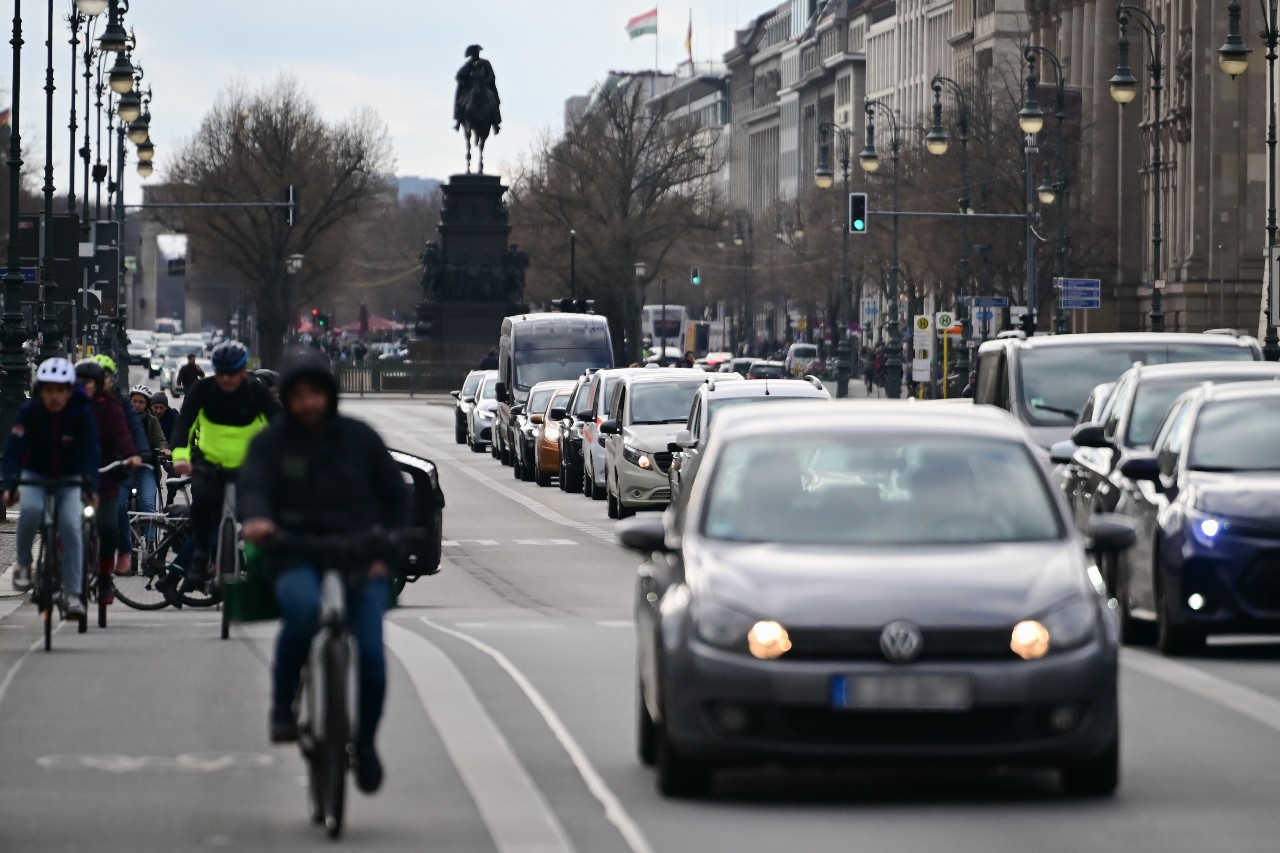
Especially for cities that already lack parking spaces, or which have many narrow roads, SUVs can pose a number of logistical problems. For these reasons a handful of German cities - such as Koblenz, Cologne and Tübingen - have enacted higher municipal parking fees for SUV owners.
On the other hand, people living in rural areas, who are more likely to have their own driveway and spend more time on motorways and less-busy regional roads may not mind the extra space.
READ ALSO: Could Germany also introduce parking fees for SUVs?
An object of controversy
SUV drivers often say they appreciate the extra space the vehicles have. Others say it makes them feel safe, as their vehicle is more likely to be the larger one in the event of an accident.
But SUVs have been criticised by environmentalists for their hefty fuel use, and by urbanists for the added danger they pose to pedestrians, cyclists and drivers of smaller cars.
According to a report by the International Energy Agency (IEA), global SUV use amounts to more climate harming emissions than most countries in the world: "If SUVs were a country, they'd be the world's fifth largest emitter of CO2".
READ ALSO: Why an anonymous group has been deflating tyres of SUVs across Germany
Interestingly, Verivox also was able to determine the profile of the average SUV driver.
As opposed to how the vehicles are often marketed - as a family vehicle or for young people who like to go out for outdoor adventures - the vehicles seem to sell the best with pensioners.
Verivox found that the group that owns the most SUVs was males over the age of 50, and the proportion of SUV owners was even a bit higher for those over 70.
Comments