
Finding a place to live is a process that almost all foreigners have to go through after moving to the country. Thanks to Germany's worsening housing crisis, this can be harder than it sounds.
While searching for a home, tenants may come up against invasive requests from landlords or strange house rules and regulations. Though you may feel like have to accept these wild demands out of desperation, it's worth knowing that the law is on your side.
Finding housing may be tough, but the good news for tenants is that Germany has some of the strongest rental protections in the world. What's more, there are plenty of helpful resources like low-cost tenants' associations to help you deal with difficult situations.
Whether you're currently house-hunting or already renting, here are ten red lines your landlord is never allowed to cross.
1. Blanket bans on pets
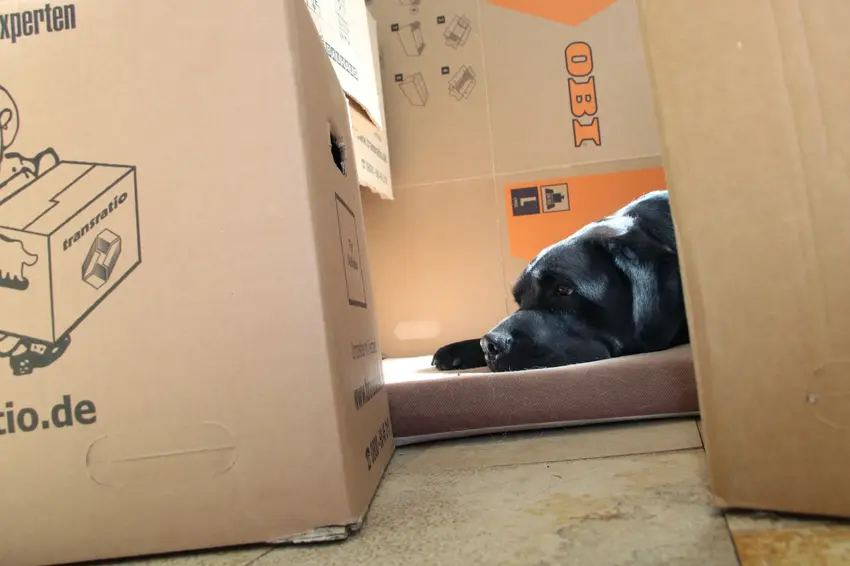
If you're hoping to have a furry companion at home you'll be pleased to know that your landlord isn't allowed to ban you from having pets in Germany.
In fact, small animals like fish, mice and birds can be moved in automatically without having to let anyone know.
When it comes to bigger pets like cats and dogs, notifying the landlord is necessary, but they still can't stop you adopting a four-legged friend without a good reason.
Similarly, having a pet isn't a valid reason for a landlord to evict you - unless your animal is causing a significant disturbance or danger to other renters.
READ ALSO: Renting in Germany - What you need to know about keeping pets
2. Excessive private information
Sharing what feels like your entire financial history is par for the course when house hunting - but there are limits about the type of info your landlord can request.
While credit checks like SCHUFA, income details and references are necessary, personal information like medical records or your religion, marital status or race are not.
In posts on social media, anecdotes have emerged of people being asked for excessive information when applying for flats in Germany. In one notorious post on Reddit, a woman shared that she had been asked to carry out a pregnancy test as part of the application process. In another, a man said the landlord had asked for proof of his German language skills.
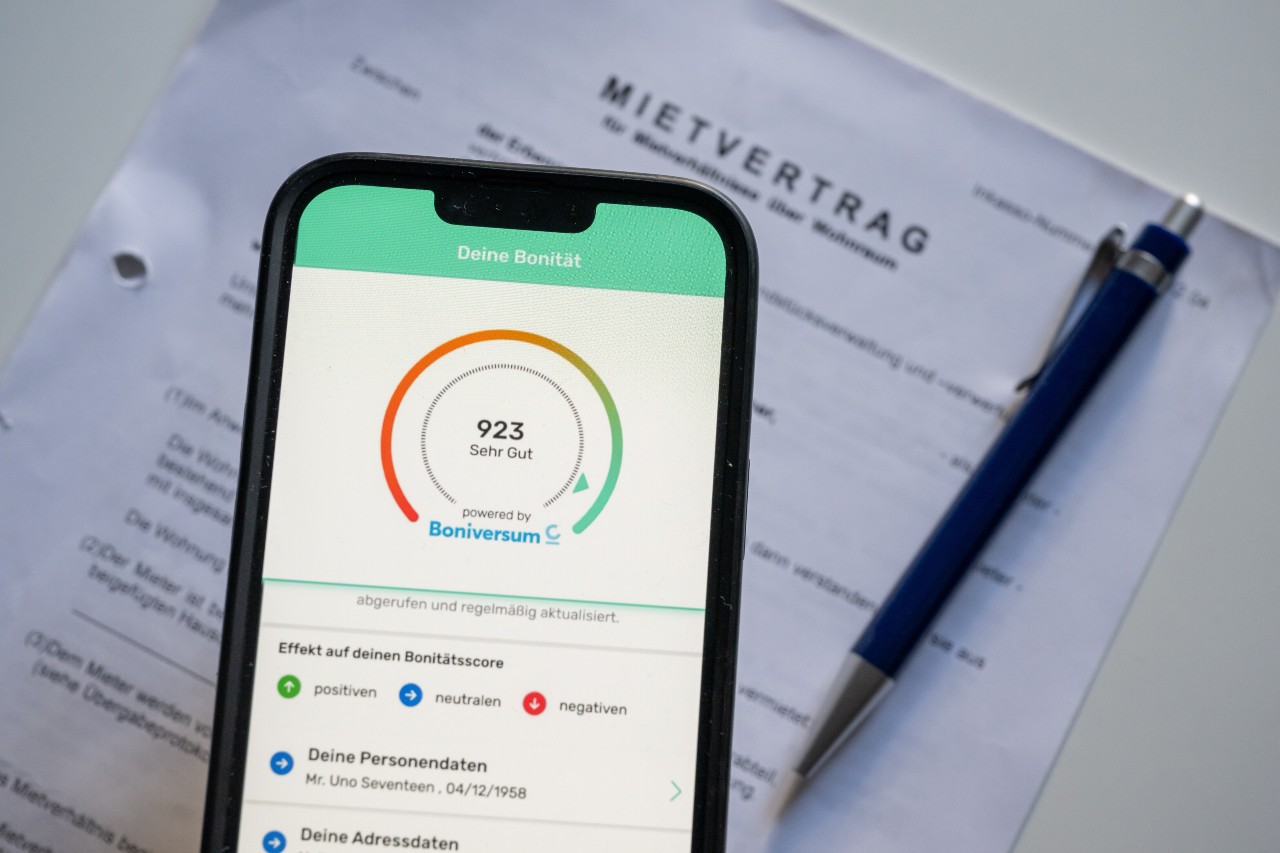
Both of cases go well beyond the scope of information a letting agent should ask for. Even in the case of visas and residence permits, these shouldn't be requested unless they directly affect your ability to rent.
READ ALSO: Six confusing things about renting a flat in Germany
3. More than three months' deposit
Landlords in Germany are entitled to ask for up to three months' rent as a security deposit, but any more than this is not permitted by law.
The deposit should also be kept safe in a non-useable account and returned within a reasonable time of the tenant moving out - usually within 3-6 months at the latest.
Though part of the deposit may be withheld to pay for any damages, this should be clearly justified. Under no circumstances are "non-refundable" deposits allowed to be a thing.
4. 'No Anmeldung'
Most desperate flat-hunters in Germany encounter the words "no Anmeldung" relatively often in their search for a place to live.
Usually, this happens when other tenants sublet all or part of their flat without the landlord's permission, and are afraid of the landlord finding out. In other cases, the landlord themselves may want to rent out their flat without the authorities' knowledge.
Regardless of the reason, the person you're renting from should supply you with the evidence you need to register at your local Bürgeramt within two weeks of moving in. Forbidding you from registering is completely against the law.
READ ALSO: Is renting a flat 'without Anmeldung' illegal in Germany?
5. Paying rent in cash
Similar to the 'no Anmeldung' situation, some landlords may want to slip below the radar by demanding rental payments in cash. However, this can't be enforced as a rule without the tenant's agreement as well.
That means that if you'd prefer to pay by bank transfer for ease or security reasons, you're perfectly entitled to do so.

6. No smoking
Like neighbouring France, Germany tends to take a rather laid-back approach to smoking - and this is reflected in its rental laws.
The landlord can ask you if you're a smoker before renting out the flat, and may consider it in their decision on whether to rent the property to you.
However, your landlord isn't allowed to ban you from smoking once you're a tenant, either inside the property or on the balcony. In other words: it's your prerogative to light up whether they like it or not.
Of course, there is a bit of a balance to be found here, and this is reflected in the law. Your right to smoke doesn't necessary extend to smoking in communal areas, causing excessive damage or disturbing other people, for example through smoke drifting up into other people's flats.
In these instances, coming to an agreement with your neighbours or landlord could be necessary. However, they cannot enforce a blanket ban on smoking in your own flat.
READ ALSO: Can you get in trouble for smoking on your balcony in Germany?
7. No guests allowed
Whether having friends round for dinner over the weekend or letting a family member stay for a long period of time, German rental laws allow you an almost unrestricted right to have guests in your home.
"Tenants may receive as many visitors to their flat as often and as much as they like," Hamburg tenants' association summarises on its website. "It does not matter whether it is a male or female visitor, how long the visitor stays, whether they come regularly or irregularly - none of this concerns the landlord."
This means that any clauses forbidding or restricting guests in your tenancy agreement are generally invalid.
If a guest stays for a prolonged period, of course, the landlord is entitled to ask if they have moved in as a fellow renter. If so, they do have a right to be notified and asked for permission - though they need to have a very good reason for denying the request.
8. Invading your privacy
When a landlord rents out their property to you, this property becomes your home and private space. With this in mind, German law holds this space sacrosanct and has very strict rules about when - and why - the landlord can enter the property.
As a good rule of thumb, your landlord should always ask permission when entering the flat and give advance notice and a valid reason for any inspections. Turning up unannounced and letting themselves into the property is an absolute no-go, unless there's a serious emergency.
9. Major maintenance and repairs
When it comes to repairs and renovations, there's a strict division of labour: your landlord is responsible for this type of maintenance work, and you are not.
In other words, your landlord can't force you to take on big repair or maintenance jobs on their behalf - even if you've caused the damage.
One common example of this is landlords asking tenants to repaint the entire apartment ahead of their scheduled moving date. Though clauses like this crop up frequently in rental contracts, they tend to be invalid since they go beyond what's required of the tenant by law.
Of course, things can get tricky when deposits are involved, so it's a good idea to seek advice from your local tenants' association to clarify your rights.
10. Immediate evictions
One of the strongest protections that tenants have in Germany is the protection from unfair evictions. Unlike in other countries where "no fault" evictions are possible - or even common - landlords in Germany must have a good justification for getting rid of a tenant.
READ ALSO: What can get you evicted as a tenant in Germany?
These can include months of missed rental payments or major breaches of the contract, such as regularly and repeatedly breaking house rules. The landlord can also ask a tenant to leave if they require the property for their own use - although there are strict criteria for this.
In most cases, the landlord is required to give you at least three months' notice - and up to nine in some cases - before asking you to move out. This can only be reduced in the case of serious infractions such as criminal activity or threatening other tenants.
Comments