
German parliament to vote on huge spending boost for defence, infrastructure
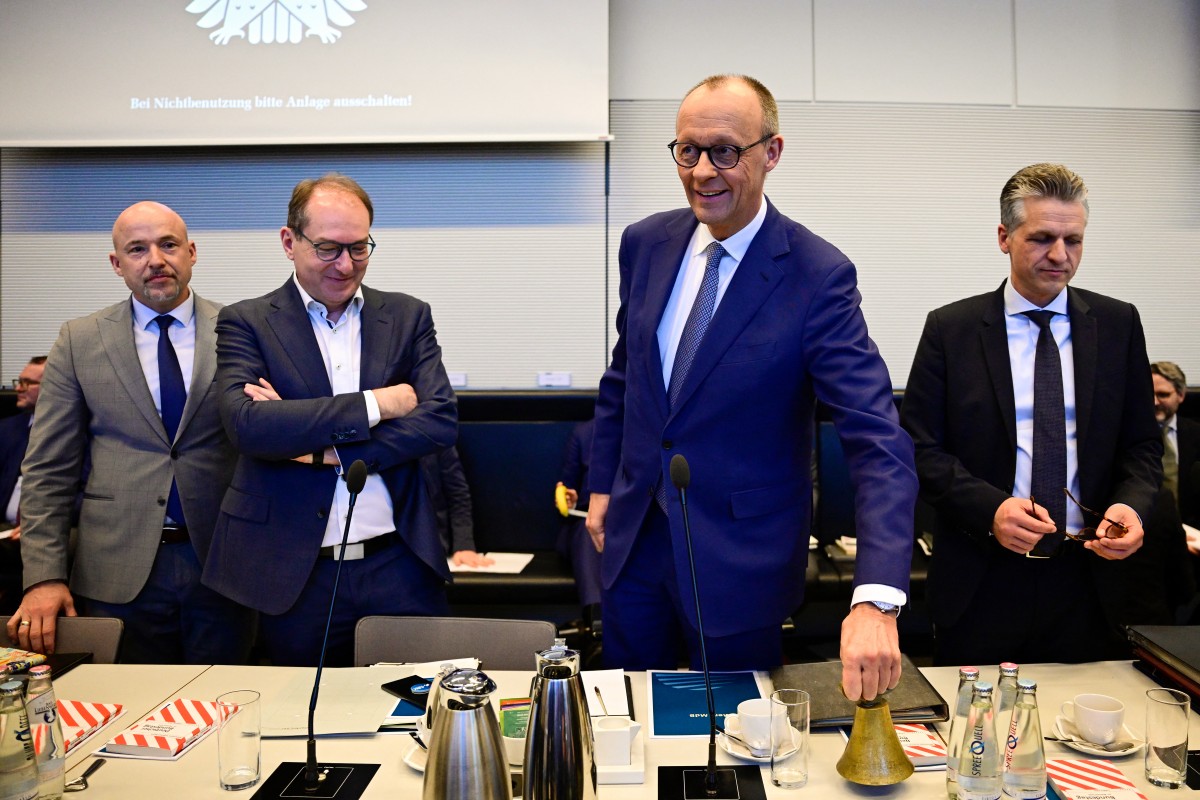
German lawmakers will vote Tuesday on a massive spending boost for defence and infrastructure proposed by chancellor-in-waiting Friedrich Merz amid concern over the United States' commitment to Europe's security.
The hastily drawn plans represent a radical departure for a country traditionally reluctant to take on large amounts of debt or to spend heavily on the military.
But Merz, 69, whose conservative CDU/CSU alliance won an election last month, has urged swift action as concerns grow that the United States' decades-old commitment to European defence is faltering under President Donald Trump.
In an interview with public broadcaster ARD on Sunday, Merz said the "situation has worsened in recent weeks", citing Trump's overtures to Russia to end the Ukraine war and his wavering commitment to NATO.
"That is why we have to act fast," Merz said.
Outgoing Foreign Minister Annalena Baerbock said the plans were a "strong signal that Germany is serious about its own security, about the security of Ukraine and about the security of Europe".
Many economists have greeted the plans as a useful way for the German economy to get back on its feet after years of low or no growth.
READ ALSO: Germany has ditched the debt brake, but what will the consequences be?
But others have cautioned that debt-financed growth should only be one part of a broader package, with reforms needed to encourage firms to invest more and employees to work longer hours.
"Approving debt is easy. Everyone can do that," Clemens Fuest, head of the Munich-based institute, told AFP.
"Now it is about structural reforms, about making sure that you no longer need 10 years to get approval permits... about encouraging people to work more."
Arbitrators take over public sector wage negotiations
Warning strikes that recently paralyzed Kitas, garbage collection and other facilities are to be paused for the time being as the collective bargaining for public service sector workers goes to arbitration.
When unions and employers repeatedly fail to make an agreement in Germany, either side can give up and let a team of arbitrators take over.
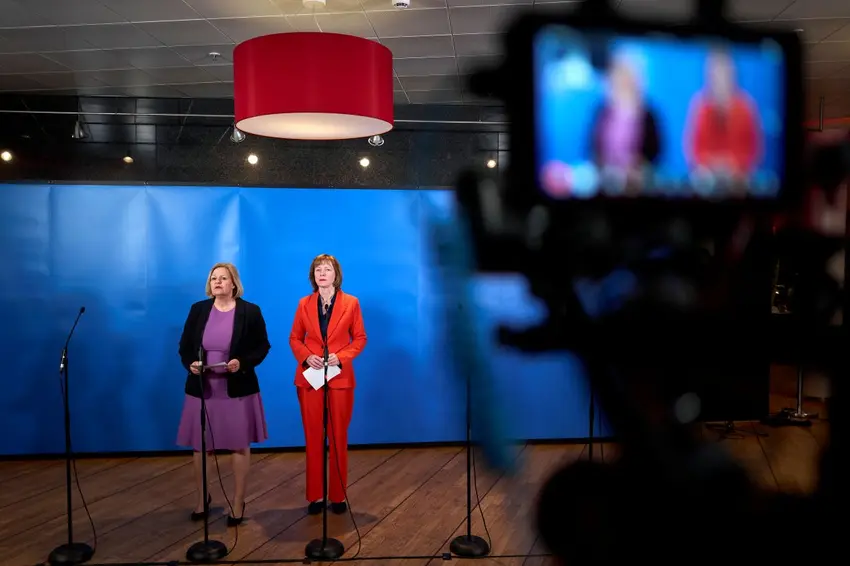
Since Friday, the third round of negotiations for the wages of has taken place in Potsdam for 2.5 million public workers. On Monday evening, the federal negotiator, Interior Minister Nancy Faeser (SPD), announced that the arbitration would be initiated.
Next a conciliation commission in which employers and employees are represented in equal numbers has one week to adopt a recommendation. Then the recommendation goes back into another round of negotiations.
Each group - the unions and the employers - can then accept the result or renegotiate. Only when the result is unacceptable can workers vote to strike again.
EU vows 2.5 billion euros to help Syrians after Assad ouster
The EU led the way on pledging aid for Syria on Monday at a donor drive in Brussels -- but the call for funding to help the war-torn country after Bashar al-Assad's ouster risked falling short of last year as US support dries up.
Western and regional powers are desperate to steer Syria onto the road to stability after 14 years of civil war that have sent millions of refugees over its borders.
For the first time, the Syrian authorities were represented at the annual conference in Brussels -- with interim foreign minister Assaad al-Shibani attending.
The vow from Brussels came on top of significant contributions from individual countries, including some $330 million from Germany and $210 million from Britain.
Up until now, the United States has been the single biggest individual donor to fund humanitarian efforts in Syria, according to the United Nations.
Syria's new rulers -- headed by former Islamist rebel commander Ahmed al-Sharaa -- have been clamouring for assistance to help the country's recovery.
BYD considers Germany for third plant in Europe
Chinese electric vehicle giant BYD is considering Germany for a possible third assembly plant in Europe, Reuters reported on Monday.
The company, which has overtaken Tesla as the seller of the most EVs globally is looking to establish itself in Europe's biggest economy and car market.
In addition to the two factories planned in Hungary and Turkey, BYD announced plans to build a third factory to serve the European market within the next two years.
According to Reuters, a source familiar with the matter has said Germany would be the company's top choice, but a final decision has not yet been made.
The US has asked Germany for eggs
Facing a bird flu pandemic among its chickens, and other constraints, eggs are scarce and expensive in the United States.
So US authorities have asked other European countries for more exports of chicken eggs.
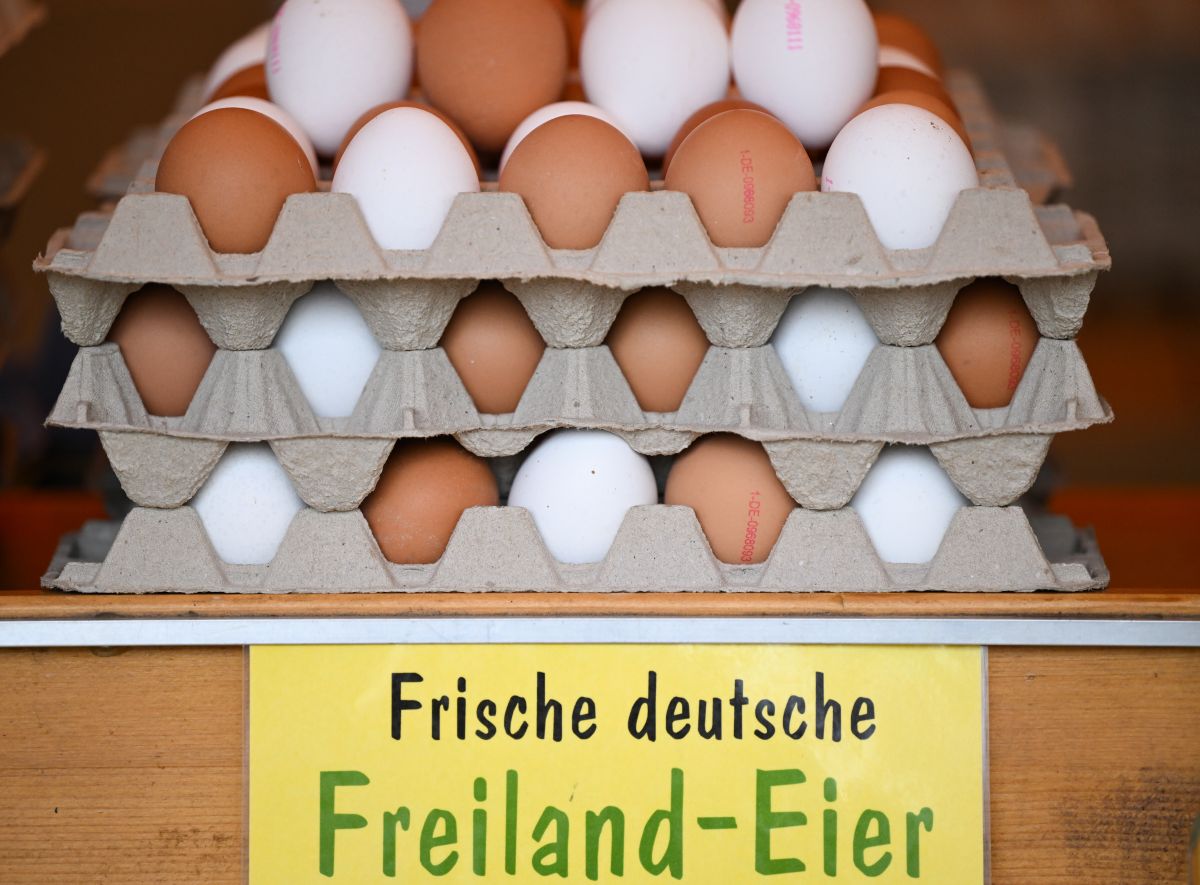
According to media reports, inquiries to this effect had been received by industry associations in Denmark and Sweden, among others.
The issue is a bit tense given the current US administration's disparaging comments about Europe, Trump's tariffs against its European trading partners and his stated plans to buy Greenland, for example.
READ ALSO: Will German consumers join the growing boycott of US-made goods?
"We have indeed received an inquiry from the USA," a spokesman for the German Egg Association told DPA.
According to the German Egg Association, small quantities are already being exported to the US, but the volume is very low.
Germany does not have an abundance of eggs either: Only 73 percent of the eggs consumed in Deutschland were produced in this country in 2023. The rest is imported.
With reporting by AFP and DPA.
Comments