
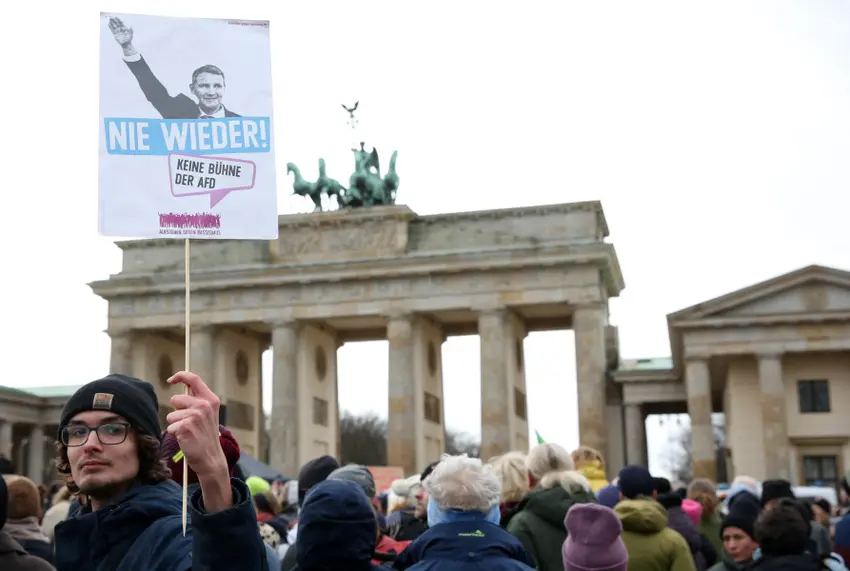
Germany’s (most likely) incoming government – composed of the conservative Union parties (CDU/CSU) and the centre-left Social Democrats (SPD) – looks set to make some significant changes.
The ‘Grand Coalition’ partners have eagerly jumped into coalition talks, and are also pitching a major change in the country’s debt rules to allow significantly more budget for defence and infrastructure projects.
So far conservative and SPD leaders have produced an 11-page exploratory paper that gives a taste of what might be expected from the next German government. Key policies include tightening rules on migration, raising the minimum wage, and tax relief for the middle classes.
In a survey following the announcement of the preliminary election results, we asked our readers to react to the vote and share their opinions on the potential incoming government.
Asked which issues were most important to her, Elizabeth, a 31-year-old software engineer in Berlin, told us, “Dual citizenship, as we're in the queue and concerned. Also rental controls, cost of living, punitive measures against immigrants, [and] increased fascist confidence.”
These core issues: the fate of the dual citizenship law, cost of living increases, migration policy and the rise of far-right politics were named again and again as primary concerns by our readers.
So how well do the likely new coalition’s plans and priorities align with the issues that foreigners in Germany are worried about?
Here’s what our readers had to say.
Conservatives reversing dual citizenship would be a big concern
John Kerr, a 78-year-old retiree living in Frankfurt, named the “continuation of dual citizenship” as his top issue of interest, as well as the “long delays in processing applications,” including his own.
Hamidreza Soleymani, a lawyer and legal consultant from Tehran now living in Düsseldorf agrees, stating: “I believe a five-year path to citizenship is reasonable.”
Soleymani added that making real efforts to encourage legal pathways for immigration, while being more strict on “illegal immigration” would “benefit both Germany and migrants.”
Around the time of the election, there was reason to fear that the conservative parties, under the leadership of Friedrich Merz, could make an effort to overturn Germany’s dual citizenship law - a major reform that lowered the residence requirements to naturalise as German, and allowed those naturalising to retain their previous citizenship.
However, following initial talks between CDU and SPD leaders, the parties agreed to keep these reforms in place after all.
READ ALSO: Germany's dual citizenship law to remain under future CDU/SPD coalition
‘I wouldn’t like to see Germany with closed borders’
Many readers wanted to see politicians focus on the kinds of immigration issues that affect people who move to Germany and take up work legally. But there is a sense that politicians are instead hyper-focused on those who enter the country irregularly to seek asylum.
“Stop constantly talking about immigration. There are real problems,” said a reader who identified as a Berlin-based software engineer in their 40s.
Claire, 66 and living in Baden-Württemberg notes that as a retired person with permanent residency in Germany, she isn’t affected by many issues that foreigners tend to face.
But she named far-right politics and closed borders as two potential issues in the future: “I don't believe going back to closed borders with people being refused entry will benefit anyone in the long run.”
READ ALSO: EU paves way for states to set up controversial return hubs for migrants
Carlos, a 38-year-old software developer in Cologne felt the same: “As a European citizen, I don't exactly have direct fears about immigration policies. But I wouldn't like to see Germany with closed borders.”
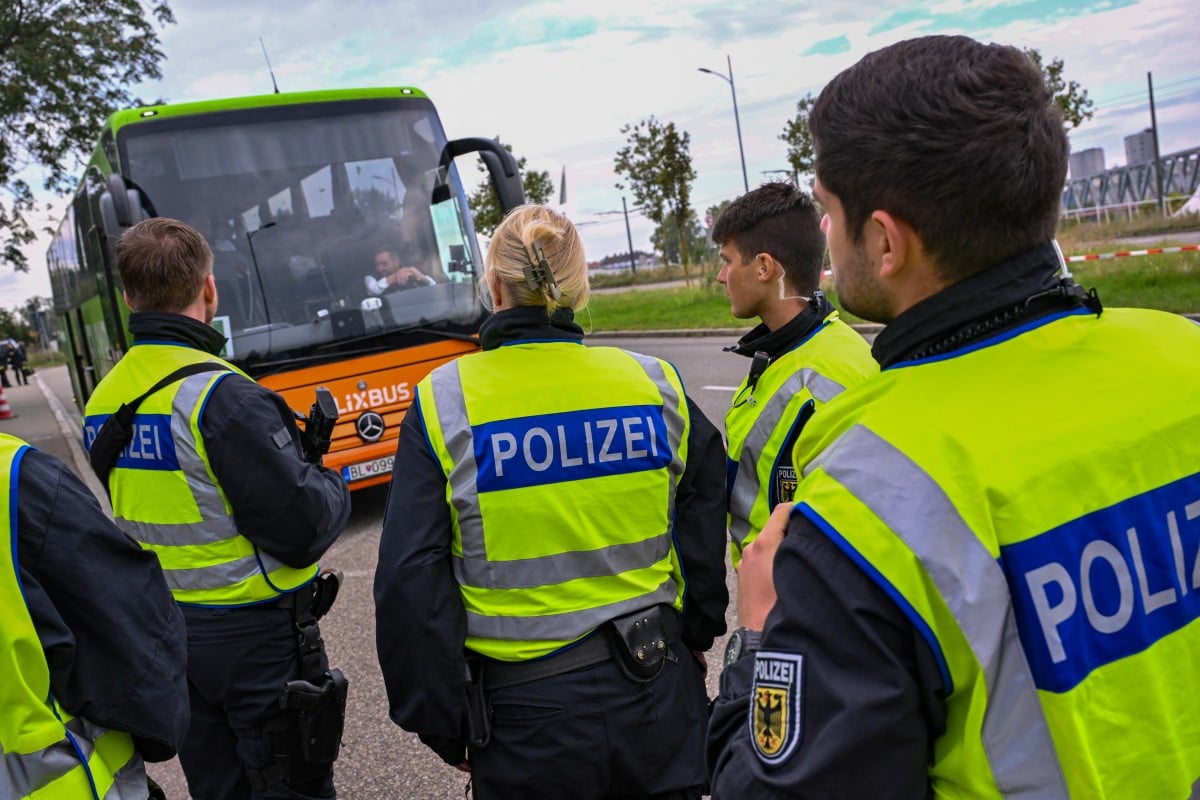
For his part, Adi Singh, a 35-year-old Munich-based startup founder, said the “clampdown on illegal migration” was important, but he also wanted to see a “healthier attitude towards legal immigrants” along with lower taxes and less bureaucracy.
Far-right politics and xenophobia
Of course the increase in support for far-right parties – in particular the Alternative for Germany (AfD), which won roughly 20 percent of the national vote – is a serious concern for many foreign nationals living here.
“I want to see a decrease in racist views,” said Sabrina Mercer, a retired teacher who had taught at an international school in Frankfurt.
Some of our readers were concerned that anti-immigration talking points and populist politics have been fuelling a rise in racism.
Brenda Pegg, 77, living in Landshut, said she’s concerned “that we as foreigners will encounter hostility that we haven’t so far.”
READ ALSO: 'A fifth of voters hate me' - How do foreigners in Germany feel about far-right surge?
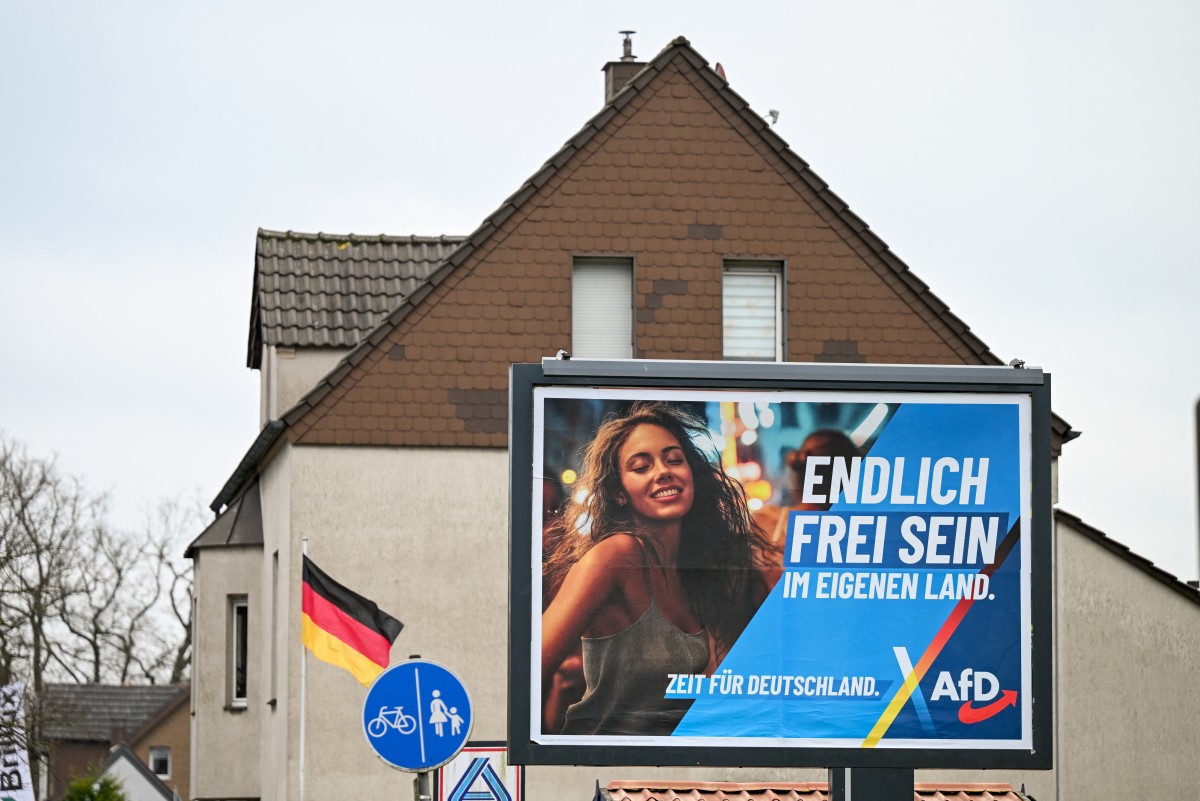
“I don't have any concern except the rise of AfD,” said a reader who gave his name simply as David.
“I feel like many of the issues people are loudly talking about are non-issues: there is not a drastic increase in crimes, the cost of living is high everywhere in the world… [and] immigration is not an issue but an opportunity.”
David suggested that issues like high construction costs or a lack of caregivers in Germany could be solved, in part, with immigration.
READ ALSO: How tense immigration debate is complicating Germany's search for workers
Affordable living and quality healthcare
Cost-of-living issues were also front of mind for many respondents.
“Affordable housing is one of the biggest issues,” said Bhavesh Uppal, a 33 year-old sales manager in Berlin. Although he also listed lack of available health care, and limited places in Kitas and schools as top concerns.
READ ALSO: 13,000 unused flats in Frankfurt - Why Hesse plans to crack down on empty housing
“Germany is the land of Ideas,” Bhavesh added, “It urgently needs infrastructure redevelopment and reduced bureaucracy.”
John, 49, living in Cologne also mentioned “spiralling out-of-pocket healthcare costs and spiralling waiting times to see specialists” as a top issue.
He was also concerned about the “crumbling Deutsche Bahn network.”
Climate change and dealing with Trump
Meanwhile, in global issues, multiple respondents said they were concerned that the next conservative-led government might step back on Germany’s climate goals.
“Europe should not back down on climate and sustainability policies and should aim to reclaim its role as a leader in these domains,” said Erica, a Berlin-based copywriter.
Erica also mentioned “geopolitical risks” especially from the “Putin - US unspoken alignment”.
Other readers also mentioned these concerns. For Gill McKay, 64, living in Allgäu the top issues can be summed up no more than six words: “Climate change, racism, Trump and Putin.”
Asked if she had specific hopes or concerns for Germany’s next government coalition, Brenda Pegg said simply, “I hope they stand up to Trump.”
READ ALSO: Will German consumers join the growing boycott of US-made goods?
Thank you very much to everyone who completed our survey. Although we weren't able to use all the responses, we read them all and they helped inform our article. Please feel free to leave a comment below if you would like to add any other opinions to the conversation.
Comments (1)