

Merz unveiled the plans last week, vowing his centre-right CDU/CSU bloc and the centre-left SPD would quickly push them through before the end of the current legislature. The two parties are currently in talks to form a coalition after February's elections.
Fraying Europe-US ties under President Donald Trump have fuelled calls for Germany to quickly boost military funding and reduce its dependency on the US security umbrella, while infrastructure spending is seen as a route to pull Europe's top economy out of stagnation.
Vowing to do "whatever it takes", Merz has proposed exempting defence spending from the country's strict debt rules when it exceeds one percent of GDP and setting up a €500 billion fund for infrastructure investments.
The plans needed to be pushed through rapidly due to the “dramatic changes in the global situation”, Thorsten Frei, a senior lawmaker from Merz’s CDU party said Thursday.
“We have to move very quickly now - the pressure is on, time is running out.”
While the plans have won praise from German allies abroad, who grew weary of inaction under outgoing Chancellor Olaf Scholz, Merz faces a desperate scramble to push them through parliament.
As the measures involve a change to the constitutionally enshrined "debt brake", which limits government borrowing, they require a two-thirds majority in parliament.
EXPLAINED: Germany's new debt deal and what it means for residents
This means that the CDU/CSU and SPD want to get them passed before a new parliament convenes later this month in which far-right and far-left parties, who have expressed scepticism about extra defence spending, will be in a position to block the measures.
Greens unhappy
The Bundestag will convene for two special sessions so lawmakers can debate the plans, on Thursday and next Tuesday -- when a vote on the proposals is also to take place.
The debate is due to start around midday, with Merz, lawmakers from the SPD, Green party and far-right Alternative for Germany (AfD) due to speak.
But Merz's task got trickier after the Green party, whose votes are needed to reach the two-thirds mark, threatened to torpedo the plans.
The CDU, SPD and Greens have since been locked in intense talks to hammer out a compromise.
However Green leader in the Bundestag, Katharina Dröge, said Thursday she did not share the "optimism" of the other parties that an agreement could be reached quickly.
There was as yet no "common solution, so it is still the case that the Greens will not agree" to these plans, she said in a TV interview.
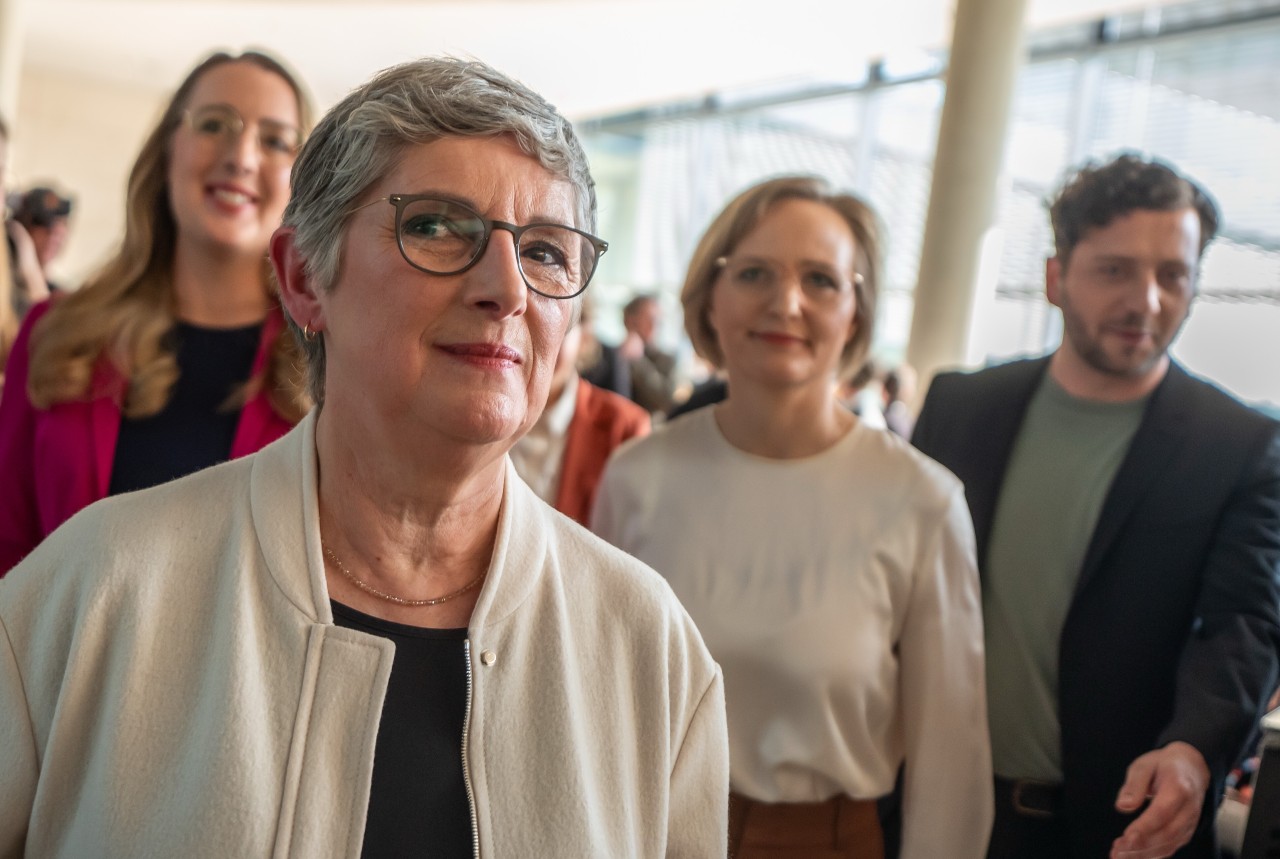
"Whoever wants our approval for more investment must also show that it is really about more investment in climate protection, more investment in the economy in this country."
The CDU has sought to appease the Greens, saying their concerns are "completely legitimate", and the two sides have been holding talks this week.
Merz's plans also face another threat with both the far-right Alternative for Germany (AfD) party and the far-left Die Linke party having filed legal challenges at the constitutional court, arguing there will be insufficient time for consultations.
READ ALSO: How soon will Germany get a new government?
The AfD won its best ever showing at last month's election, coming second with almost 21 percent of the vote, while Die Linke are set to enter the next parliament after a surprisingly good result.
Calls for swift action
If Merz fails to get his plans through, observers fear he would lose momentum and his future government could face the same paralysis that beset Scholz's ill-fated, three-party coalition, whose November collapse precipitated last month's vote.
The pressure has only increased on Merz in recent weeks as Trump has become increasingly hostile towards Ukraine and made overtures to Russia.
The incoming government would still have options to boost spending if the current parliament fails to pass the plans next week, analysts said.
Once Merz becomes chancellor -- which could be in late April -- he could suspend the debt brake by invoking an emergency, as the previous government did during the pandemic, according to Berenberg bank economist Holger Schmieding.
While it would only be a stopgap, "it would give a new German government time to temporarily raise defence and infrastructure spending while trying to garner a two-thirds majority for a permanent change to the debt brake," he said.
Comments