
Ahead of the next round of negotiations on March 14th, the union is stepping up the pressure on public sector employees to meet their demands.
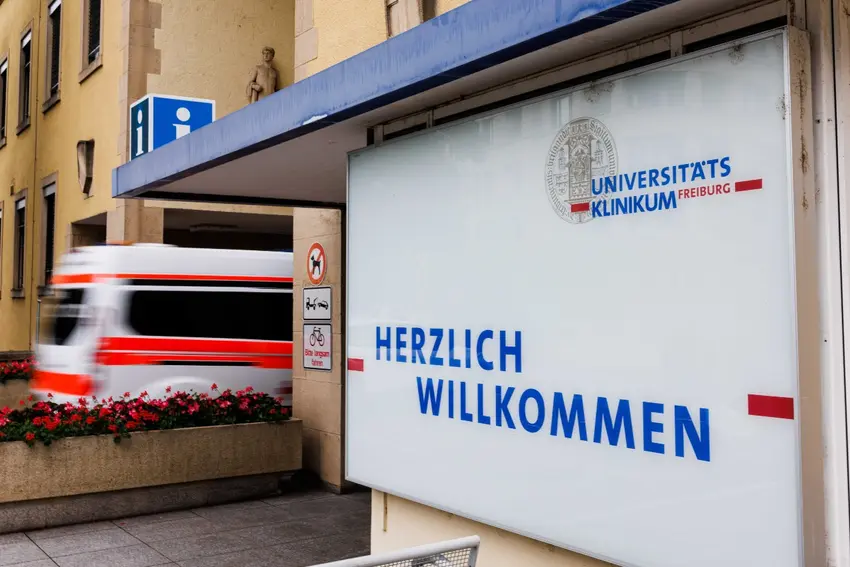
Friday strike takes place at hospitals, care homes and emergency rescue centres around the country. Around 200 institutions will be affected, Verdi said, and routine operations and appointments may be postponed.
To ensure the well-being of patients, an emergency service will still be available in all the affected hospitals, while care homes will rely on weekend staff.
Ahead of International Women's Day, the union also announced that it would be a calling a day of action in professions largely occupied by women, including nursery schools, social work and care homes on Friday.
READ ALSO: Germany to see nationwide strikes in hospitals and care homes this week
The national strike - which will take place on Equal Pay Day- will highlight the inequalities faced by women, including Germany's 16 percent gender pay gap.
"It is time for women to be paid fairly for their indispensable work," said Verdi deputy chairwoman Christine Behle. "We are not only demanding fair pay for typically female professions, but also structural changes that enable fair working conditions."
Demonstrations are also planned in Hamburg, Bochum, Cologne, Essen, Solingen, Mannheim und Berlin.
Verdi's demands
In the ongoing negotiations for better pay for some 2.5 million public-sector workers, Verdi has repeatedly accused government employers of blocking a deal.
"Most people in this country are aware of what employees in hospitals and care facilities, in psychiatric wards and in the emergency services do for society every day," said Verdi national board member Sylvia Bühler. "But employers are failing to recognise it."
She referred to the fact that the federal and local government employers had not presented an offer in the second round of collective bargaining in mid-February.
"The employers‘ request to agree on little to no wage increase - as well as an overly long term of 36 months - is a provocation," the trade unionist added.
Verdi is demanding a pay increase of eight percent or at least €350 more per month, as well as higher bonuses for working at stressful and unsociable times.
READ ALSO: German unemployment hovers under 3 million as economy stagnates
The services union also wants training allowances and trainee wages to be increased by €200 per month and is demanding three additional days off work per year.
So far, the employers' side has rejected these proposals, leading to a wave of public-sector strikes that have affected nursery schools, waste disposal, transport, hospitals and care facilities in Germany.
On Tuesday, Verdi reached a deal for a five-percent wage increase and an extra day of annual leave for 170,000 Deutsche Post postal workers, putting an end to strike disruption in parcel and mail deliveries.
In Berlin, meanwhile, the union has once again rejected the latest pay offer from transport operator BVG. This could lead to further strikes in the capital after the next round of negotiations on March 12th.
Comments