
Following the victory of the centre-right CDU and CSU alliance in the February 23rd federal elections, German politics are in a state of flux.
Talks are underway between the CDU/CSU and SPD to form a future coalition government, which could have wide-ranging implications for Germany's welfare state.
For now, the Labour and Social Affairs Ministry remains in the hands of SPD minister Hubertus Heil - though its unclear if the centre-left party will retain control of the ministry. In the meantime, there are several changes set to hit pensioners in the coming months, including a key announcement on the pension rate.
Pension adjustments announcement
Though a new government is on its way, Labour Minister Heil is still set to announce this year's pension increases at the end of March.
In its February report, Germany's federal bank estimated that pensions could go up by as much as four percent this year. This estimate is also supported by the latest data on wage and salary trends, which suggest a relatively large jump this year.
According to the Federal Statistical Office, wages will have risen by 3.1 percent in real terms in 2024 - the highest increase since 2008.
Last year, in the wake of high inflation, pensions were scaled up by 4.57 percent, exceeding the previous predictions of a 3.5 percent rise.
If this all sounds quite abstract, it's worth remembering that pension raises are always announced in euros and cents as well as percentages in Germany. But though the announcement will come this March, the additional cash won't reach pensioners' wallets until July 1st.
READ ALSO: Everything that changes in Germany in March 2025
Higher social contributions
While pensioners are waiting on tenterhooks for their annual pay increase, many people are likely to have seen their pension go down at the start of March.
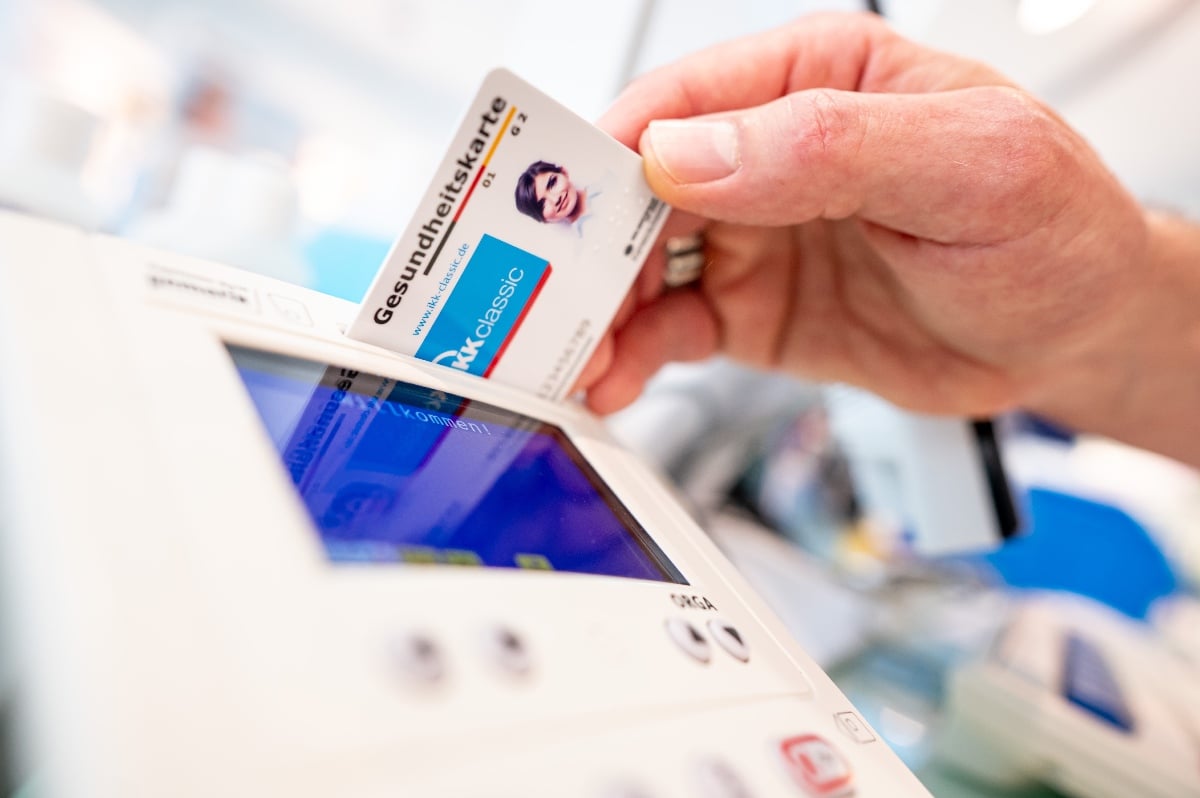
That's because the ceiling for additional health insurance contributions recommended by the government has gone up from 1.7 percent to 2.5 percent. Though this hike came into place at the start of the year, pensioners were given a few extra months of grace before it came into force.
picture alliance/dpa | Fabian Sommer
Additional contributions are levied by health insurers on top of the standard rate of 14.6 percent, and the rates vary depending on the insurer. One of the biggest increases this year was levied by the Techniker Krankenkasse (TK), which more than doubled its contributions from 1.2 to 2.45 percent.
If a health insurance company raises the additional contribution, those insured have a special right of termination until the end of the month when the increase has taken effect. Insured people also have the right to change their statutory health insurance fund every 12 months.
READ ALSO: How can I change my German health insurance provider?
New group of workers eligible for a state pension
If you were born on January 1st, 1959, you’ll have reached the standard German retirement age this month - meaning you can start receiving a state pension. At present the standard retirement age is 66 years and two months.
This is being raised in stages to the age of 67 by 2029.
Those who’ve been insured for a long time, have severe disabilities, or meet other special conditions are able to retire earlier, though this can also lead to receiving a lower pension.
Deadline for voluntary contributions
For people who aren't yet at retirement age, this month marks an important deadline for paying voluntary contributions to the pensions fund.
Comments