
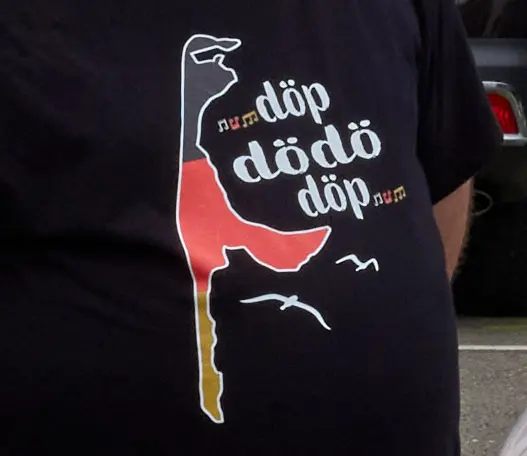
In an exclusive club on Sylt back in the early summer of 2024, a group of young people filmed themselves downing drinks, dancing and having fun. The North Frisian island is known as a glamorous holiday destination where well-heeled Germans go to kick back in the summer months, so in many ways the scene was one of everyday opulence.
In this case, however, the video went viral - and even led to a strange resurgence of an Italian club hit from the early 2000s. To the pounding rhythms of "L’Amour toujours", the young group bellowed an anti-foreigner refrain: "Deutschland den Deutschen, Ausländer raus." (Germany for the Germans, foreigners out.)
While there was some public outrage in response to the video, the refrain spread like wildfire and swiftly became a hit at local folk festivals and in discos across Germany. Police recorded a total of 360 incidents associated with the song, including at the Junge Union Christmas party, a Bavarian folk festival and a local club in Saxony.
It swiftly became an emblem of the increased acceptance towards racist and anti-foreigner rhetoric in the country.
READ ALSO: Outrage after partygoers filmed shouting racist chants on German island of Sylt
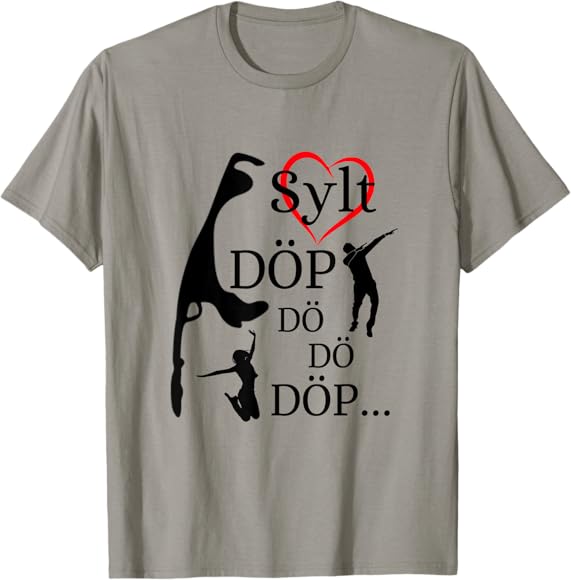
Meanwhile, the musical motif - "Döp dö dö döp" - which alludes to the tune of the Ausländer raus lyric, was adopted as a coded meme in neo-Nazi circles.
One especially popular far-right clothing supplier, Druck 18, has been selling t-shirts referencing the Sylt song since summer last year.
However, a recent successful legal campaign looks set to stamp out the dubious trend.
Legal rights
As part of a campaign titled "Recht gegen Rechts" (Justice against the far right), activist group Laut gegen Nazis and advertising agency Jung von Matt recently secured the rights to the coded neo-Nazi meme.
The action means that vendors like Druck 18 will be forced to take merchandise with the slogan out of circulation or destroy the goods. The Local conducted an online search and found that many of these t-shirts and products had already been removed from shops as of Thursday morning.
READ ALSO: Germany’s AfD investigated over ‘deportation ticket’ flyers in Karlsruhe
If online shops continue to flog wares featuring the "Döp dö dö döp" motif, they could face legal action and hefty fines, or even prison sentences in the event of non-payment.
According to the activists, this helps cut off a vital source of funding for neo-Nazi groups.
"They finance their right-wing extremist activities by selling the merchandise," campaign chairman Jörn Menge told Tagesspiegel on Thursday. "We are putting an end to this behaviour."
According to deradicalisation activist Philip Schlaffer, who supported the campaign, securing the trademark was a major coup.
Previously, Schlaffer was himself an active member of the North German neo-Nazi scene, and even ran an online shop that peddled coded merchandise.
"I developed Nazi codes myself and know how important they are - printed on shirts and merchandise - for the scene," he said. "We are taking the fun out of the Nazi movement in the long term and hitting them at their financial source."
The Sylt song trademark is the latest in a spate of campaigns against the far-right from Laut gegen Nazis in recent years. As well as securing the rights to other prominent neo-Nazi slogans, the group has also fought back against radicalisation in the music scene.
Back in 2022, the activists infiltrated far-right channels on Spotify with a fictitious new Nazi band, which quickly revealed itself to be a colourful anti-fascist art project.
Comments