
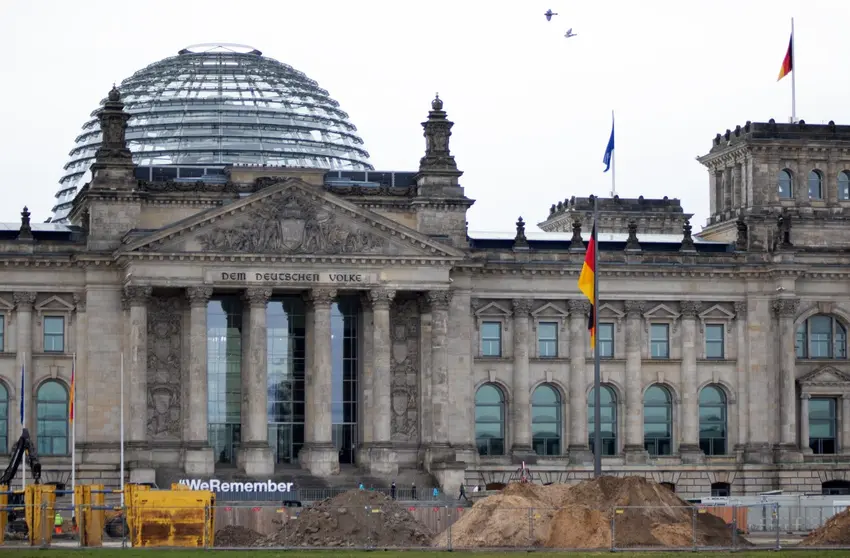
The annual Transparency International report, which assesses perceived corruption levels in 180 countries worldwide, placed Germany in 15th spot, marking a deterioration from last year when it reached 12th place.
Each country is given a score between 1 and 100 on the Corruption Perceptions Index (CPI). The higher the number, the less corrupt the country is considered to be. Overall in the most recent survey, Germany received 75 points of 100.
In the corruption watchdog's latest index, Germany shares the same position as Canada. These two countries are followed by Hong Kong, Bhutan, Seychelles and Japan, with Uruguay, Estonia, Ireland and Iceland ahead.
Denmark, Finland, Singapore and New Zealand top the ranking, making them the countries perceived to have the least corruption.
READ ALSO: Why Denmark is top of least corrupt countries list for seventh year in a row
At the other end of the list is South Sudan in 180th place, followed by Somalia, Venezuela and Syria. Meanwhile, the European countries faring worst in the corruption index are Hungary, Bulgaria, Romania and Malta.
The annual ranking is based on survey data from investors, business professionals and market analysts. It analyses their experiences in relation to corruption in the public sector in relevant countries. Tax fraud, money laundering or illegal financial transactions in the private sector are not included.
What's causing Germany to fall in the ranking?
Experts say the result is disappointing. "Germany is not making any progress in the fight against corruption," said Alexandra Herzog, Chairperson of Transparency Germany.
Herzog said it's a "worrying trend" to see the Bundesrepublik falling behind, especially compared to other European countries.
So why are things getting worse? Herzog cited weaknesses in the regulation of political party funding and in legal regulations on freedom of information as the main reasons for Germany's poor result on the corruption scale.
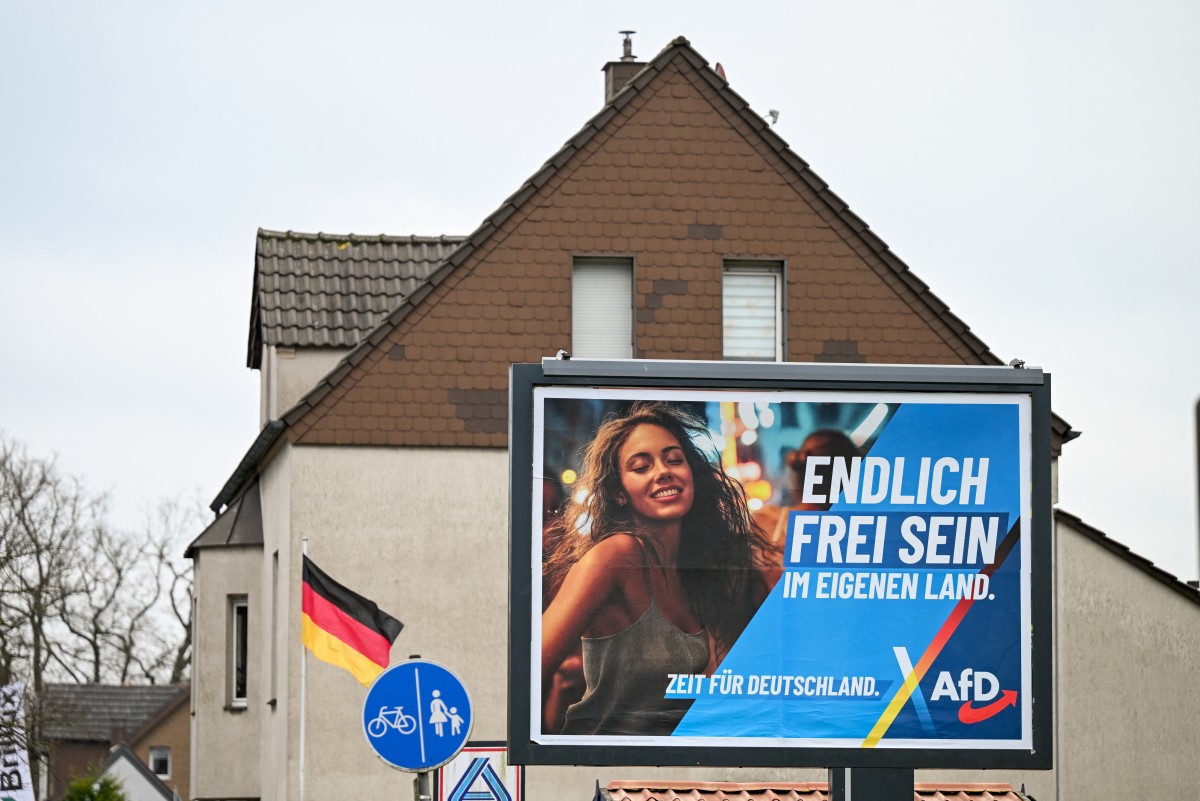
For instance Herzog said that "dubious ways of financing parties with unclear external support", such as with the far-right Alternative for Germany (AfD) or the left-conservative BSW "are currently on the rise".
She said that not enough transparency and uncontrolled large donations - some from abroad - jeopardised fair political competition and undermined citizens' trust in democracy. Herzog cited a million-euro donation to the AfD from Austria as an example of this.
Another focus of the organisation's annual report is on the connection between corruption and the climate crisis.
The Vice Chair of Transparency Germany, Margarete Bause, warned that companies with fossil fuel business models - such as oil and gas firms - and their well-connected lobby groups are actively obstructing and weakening climate policy measures.
Bause pointed out that Germany also needed to "do its homework" and tackle this because the influence of the fossil fuel lobby on politics is particularly strong in Germany. Bause said this can be seen, for example, "in the implementation of the Nord Stream pipelines or in the commitment to the combustion engine for the German automotive industry".
Experts are calling for the introduction of a 'transparency law' in Germany which they say would help prevent corruption, promote citizen participation and increase the efficiency of administrative processes. Transparency Germany did, however, cite the introduction of the Lobby Register Act as a step forward.
"Where billions flow, there is also a high level of corruption," said Bause, while talking about the threat of corruption. "Especially where urgent tasks need to be completed, there is often a lack of control."
Comments