
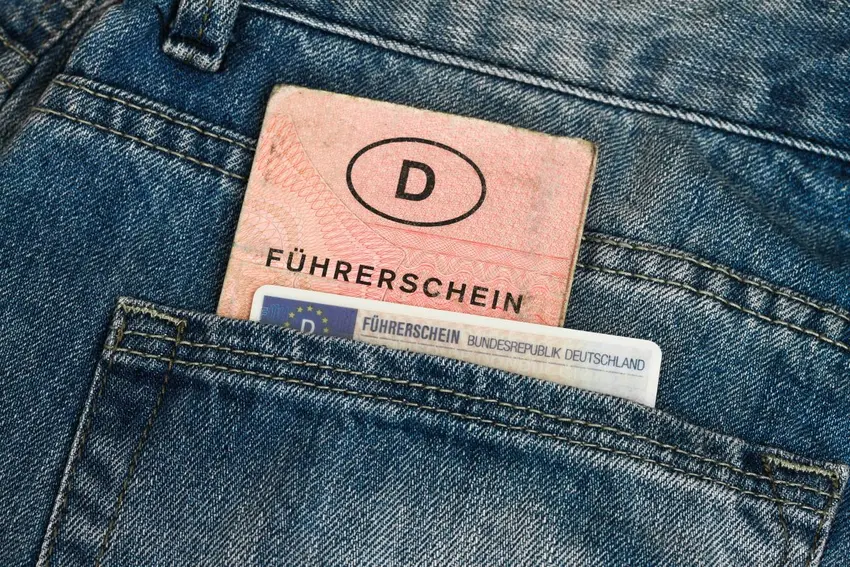
Germany maintains reciprocity agreements for drivers licences with more than 20 countries.
Foreign nationals who come to live in Germany with a licence issued by one of these states can basically swap their foreign licences for a German one – without needing to take written or physical driving tests.
Unfortunately for those coming from countries without reciprocity agreements, the process for obtaining a German driver's licence is known to be quite difficult.
Drivers licences from EU countries are valid in Germany
First, it’s worth noting that driving licences issued by countries in the European Union (EU) or European Economic Area (EEA) are accepted in Germany. So if you’ve moved to Germany with a valid licence from one of these countries, you can continue to use it until the end of its validity.
For those coming from everywhere else, your foreign issued driver’s licence is valid for the first six months of your stay in Germany. After that you’ll need to obtain a German licence to continue driving in the country. (A six month extension may be granted for those who will not reside in the country for more than a year.)
So, unfortunately Indians and Brazilians, for example, would need to pass written and practical driving tests (and meet other requirements) to obtain a German licence, regardless of their driving experience.
READ ALSO: How to get a German driver's licence as a third-country national
Which countries have reciprocity with Germany?
Germany has full driver's licence reciprocity with a total of 20 countries, including; Australia, Israel, Japan, New Zealand, South Korea, Switzerland, Singapore, South Africa the United Kingdom and more. (Full list at the bottom of this article.)
All Canadian provinces also have reciprocity agreements in place.
If you come to Germany with a valid licence to drive issued from one of these nations, you can convert it into a class B licence without taking a written or practical road test.
Note that applicants from the Australian territories of Capital Territory, New South Wales, Northern Territory, Queensland, and Western Australia are required to pass an eye test.
Additionally, drivers coming from Taiwan can convert their licence.
The official list of countries that have such agreements with Germany can be found here, along with specific notes on the classes of licences that are accepted.
What about drivers from the US?
Interestingly, some US states (and territories) have reciprocal agreements in place with Germany, but not all.
So driver’s licence holders from Texas, Pennsylvania or even Puerto Rico can swap for a German one, for example, whereas those from California or New York cannot.
READ ALSO: Which US states have driver's licence exchange agreements with Germany?
Non-EU countries with reciprocal licence agreements with Germany:
- Andorra
- Australia*
- Bosnia and Herzegovina
- Canada (all provinces)
- French Polynesia
- Guernsey
- Isle of Man
- Israel
- Japan
- Jersey
- Macedonia (former Yugoslavia)
- Monaco
- Namibia
- New Caledonia
- New Zealand
- South Korea
- San Marino
- Switzerland
- Serbia
- Singapore
- South Africa
- The United Kingdom
READ ALSO: Reader question - Can I drive in Germany with my UK licence?
Comments (1)